The revival of family traditions (and why we need them)
Published on December 2, 2025
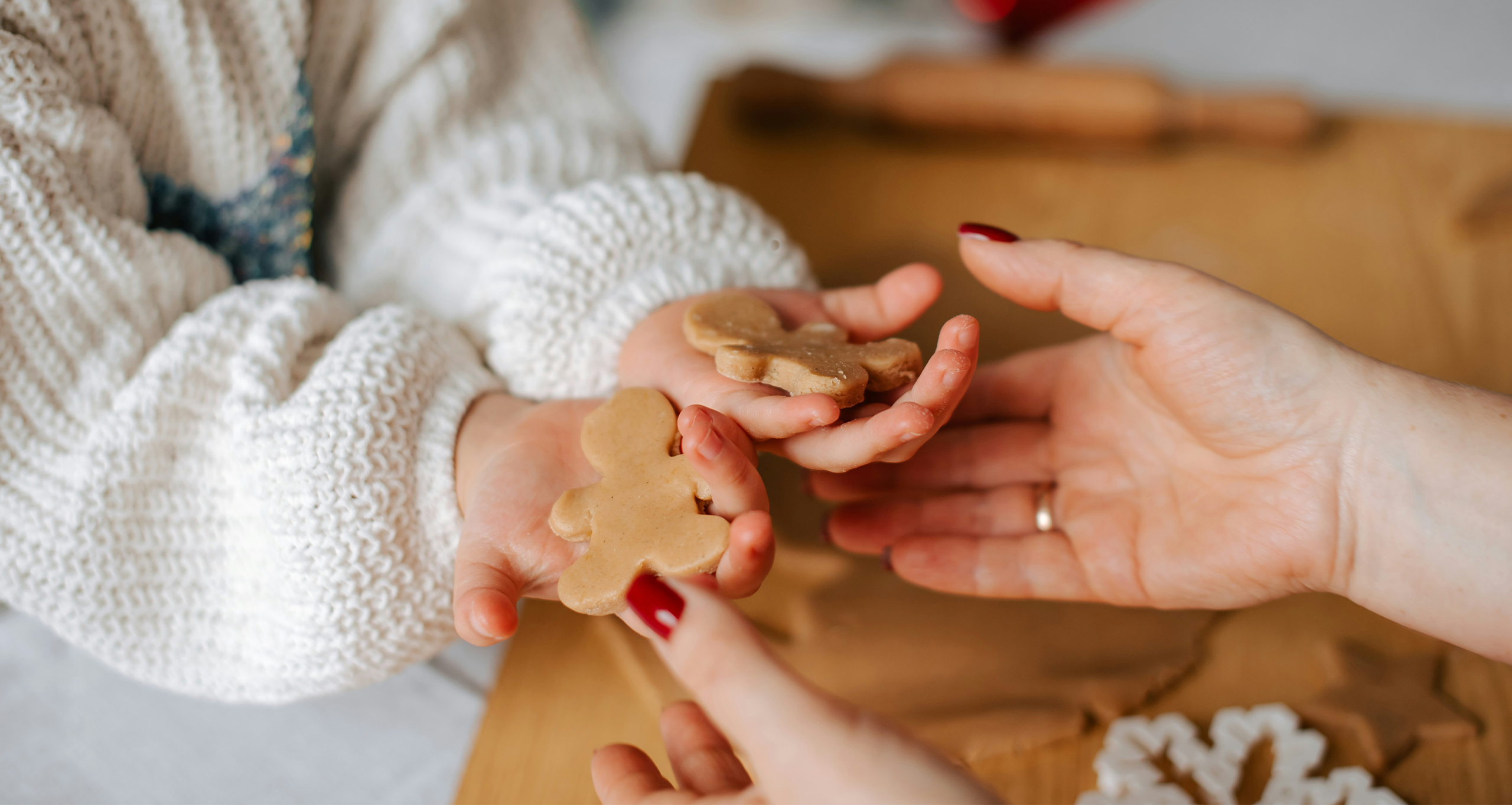
What image comes to mind when you think of Christmas? Is it a tree twinkling in the living room, your grandmother’s cinnamon rolls on Christmas morning, or the smell of pine and oranges filling the house? Maybe your image is fuzzier: a scramble of travel plans, awkward family dynamics, or the sense that Christmas is just another item on a very long to-do list.
Here’s the thing: Traditions don’t just “happen;” they are built consciously, lovingly, and sometimes imperfectly, but consistently year after year. And in a world where culture shifts faster than we can process, traditions matter more than ever. They are the anchors that remind us who we are, where we come from, and who we belong to.
The good news? You don’t need a picture-perfect, Hallmark-style family to build meaningful traditions. You don’t need money, matching pajamas, or a cabin in the woods. What you do need is consistency, intention, and the willingness to show up.
This is the heart of a revival that’s already happening. Families everywhere are rediscovering the value of rituals, especially around Christmas. In fact, psychologist John Gottman’s research on relationships shows that rituals and routines are one of the strongest predictors of long-term family stability. They create shared meaning, give children a sense of security, and strengthen bonds between spouses, siblings, and generations.
So if you’ve ever wondered whether your small rituals, such as family dinners, watching certain movies every December, or baking cookies with your kids really matter, the answer is yes. In fact, they matter more than you realize.
Why traditions feel more urgent than ever
Our modern world runs on constant change and disruption. Technology advances every few months, political shifts dominate headlines, and cultural trends change so fast it feels impossible to keep up. The result? Families often feel disconnected and pulled apart, children are growing up without the sense of “sameness” that once provided stability, and adults are left chasing novelty and betterment, instead of building rhythm.
Traditions push back against this chaos. They create predictability in a culture of flux and stability in a world filled with uncertainties. Think about how comforting it is to know that, no matter what else is happening, Christmas Eve will mean a table filled with loved ones, hot cocoa by the fire while reading The Night Before Christmas with your kids, or wearing your best outfit for Midnight Mass — these are much more than just activities.
It’s not about the ritual itself. It’s about the familiarity it builds and the signal it sends: You are safe, you belong, this is home.
The science of rituals
John Gottman, the psychologist most famous for predicting divorce with eerie accuracy, has found that healthy families are built not just on love but on shared meaning. And one of the most reliable ways to create shared meaning is through rituals.
Rituals can be as grand as Christmas Mass or as small as singing the same song before bedtime. Both send a powerful message: We do this together. This is who we are.
Children raised with consistent traditions are more resilient, more grounded, and more likely to feel emotionally secure. Couples who cultivate rituals (like weekly date nights or daily coffee rituals) report greater relationship satisfaction. Families that gather for regular meals are less likely to see kids struggle with anxiety, depression, or risky behavior.
It’s not about extravagance. It’s about consistency.
How to start new traditions
If you didn’t come from a family with strong traditions, it can feel intimidating to begin your own. But here’s the truth: Someone has to be the first. You can start now, even with something small.
Step 1: Pick something simple
Choose one thing you can do consistently. Maybe it’s reading a Christmas story on December 24th or always having cinnamon rolls on Christmas morning. Don’t overcomplicate it.
Step 2: Repeat, repeat, repeat
Rituals are made through repetition. Even if it feels awkward or small the first year, keep doing it. Over time, the meaning grows.
Step 3: Involve everyone
Ask each family member what tradition they’d like to start and make sure there is a clear why behind it. Kids especially love contributing ideas (and they’ll remind you to keep them up).
Step 4: Document it
Take photos, write notes, or save mementos. These touchstones reinforce the sense of continuity.
Christmas: The tradition maker’s playground
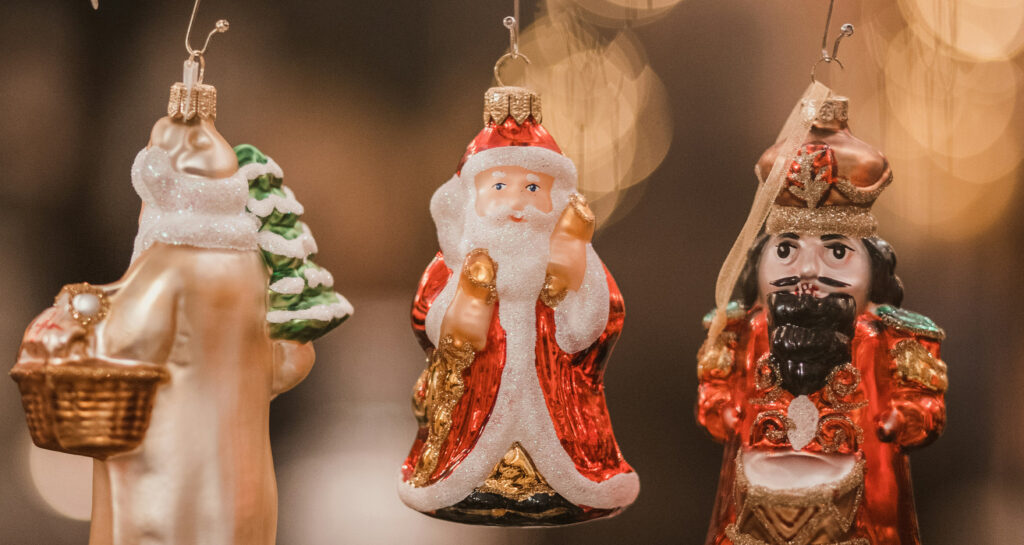
Christmas is the perfect season to rediscover the power of tradition. Why? Because it’s already spiritually and culturally designed for ritual. From Advent calendars to stockings, nativity scenes to gingerbread houses, December is packed with opportunities to create rhythm and traditions.
But if you didn’t grow up with strong traditions or if your family’s rituals feel fragmented, it can seem overwhelming to know where to start. The secret is to think small and repeatable.
Here are a few ideas to spark inspiration:
1. The ritual of preparation
- Advent calendars: They’re not just for chocolate. Many families use them for daily notes of gratitude, prayers, or small acts of kindness.
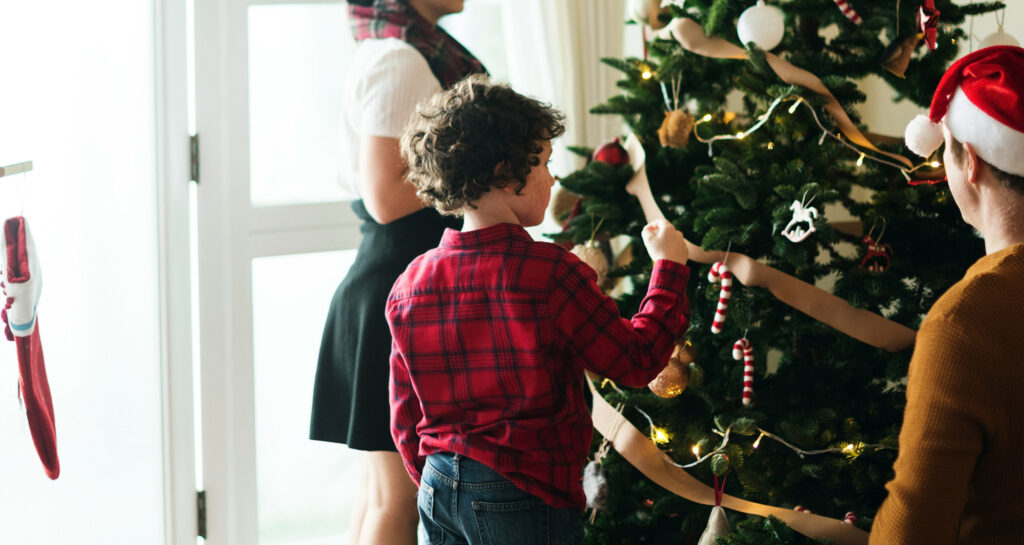
- Tree decorating nights: Pick one night every year to decorate together, no phones, just music and lights. Bonus points if you serve the same snacks each year (hello, mulled cider).
2. The ritual of gathering
- Sunday dinners or brunch in December: Set aside intentional time on the Sundays leading up to Christmas when the family sits down to light the Advent wreath and enjoy a “mini feast.” It doesn’t have to be elaborate, but the consistency and intentionality matters.
- Christmas Eve rituals: Whether it’s reading Luke’s Gospel, opening one present, attending Midnight Mass, or baking cookies for Santa, anchor Christmas Eve in something repeatable.
3. The Ritual of Memory
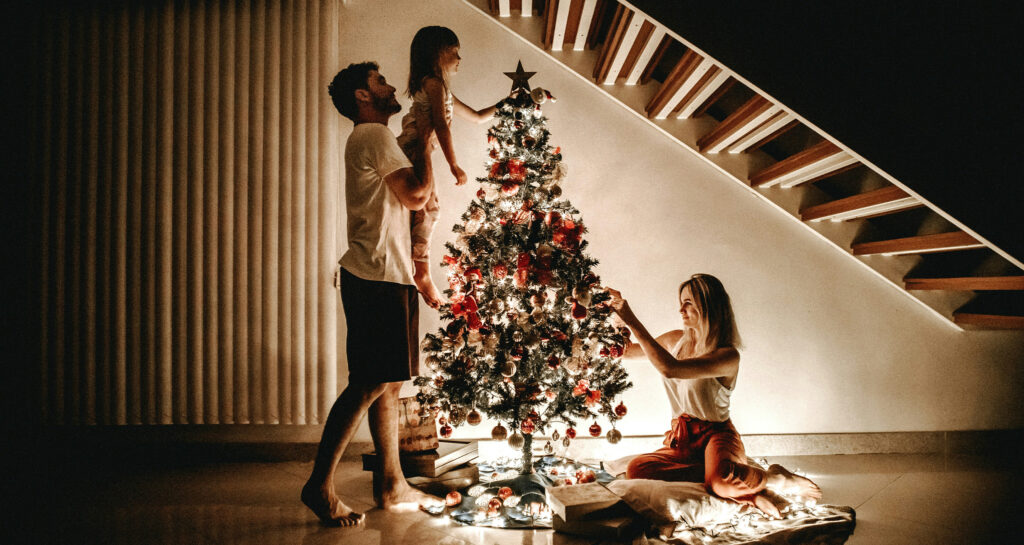
- Ornament stories: Buy or make one new ornament (or other decorative element) each year that represents something meaningful. As you decorate, retell the story of why you preserved that piece. This creates a living scrapbook of your family’s journey and is special to bring out year after year.
- Photo traditions: Take the same picture every year in front of the tree or the fireplace. Ten years from now, you’ll treasure the timeline. Personally, I also think it is worthwhile to return to the unmissable home movies of the ’90s. They might seem to have somewhat gone out of fashion, but how beautiful to capture those special moments and rewatch them later on.
4. The Ritual of Giving
- Acts of service: Make it a family tradition to visit a nursing home, donate toys, or bake for neighbors. Children who grow up with giving traditions carry generosity into adulthood.
Traditions don’t have to be perfect (or Instagram-worthy)
One of the greatest obstacles to building traditions today is comparison. Social media floods us with images of coordinated outfits, designer holiday décor, expensive outings, and elaborate tablescapes. It can leave us thinking, “If I can’t do that, why even bother?”
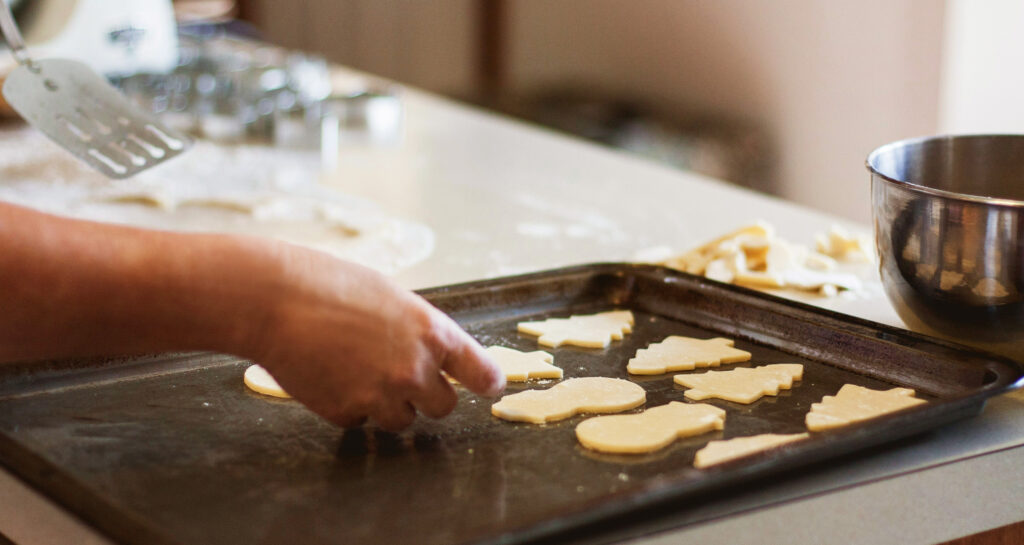
But perfection isn’t what kids (or adults) remember. What they remember is the feeling. The laughter when the cookies burned. The year the tree toppled over. The familiar smell of your family’s favorite dish, even if it comes from a box.
Traditions are about rhythm, not performance. They don’t need to be aesthetic; they need to be consistent.
The gift of consistency
One day, your kids or your friends won’t remember whether the presents were wrapped in silk ribbon or grocery store bags. They won’t remember if the cookies were homemade or slice-and-bake. What they will remember is that every year, without fail, everyone showed up for each other.
In a world of chaos, traditions are the quiet, steady heartbeat of family life. They’re not about expense or extravagance, they’re about presence. This Christmas, revive the small traditions or begin new ones. Because in the end, the greatest gift we can give each other isn’t what lies beneath the tree, but the rhythm of love that carries us from one Christmas to the next, filling our lives with the lasting beauty we celebrate throughout Advent and the Christmas season.
Related Posts

What I’ve learned from watching cooking show throwbacks
By Jessica Nardi

10 non-candy tricks and treats
By Brittany Makely

Miso Roasted Butternut Squash
By Calista Boskus
The non-sewers’ guide to All Saints’ Day costumes
By Grace Porto
This story is spot on and what each family needs to draw the wagons around them from outside influence and to grow closer.
I totally agree. Traditions are very important.
Wonderful piece! I would add as a recommendation the book “Restoring Lost Customs of Christendom” which provides a roadmap for restoring various traditions in the home life where they have been for so many centuries: https://amzn.to/3TjPqpN
The article is 100% correct, excellent moral traditions done with purity of intention is the building block of the family… And Our Lord gives us a beautiful answer in the Diary of Sister Faustina… The quote is not exact but explains everything… ” It matters not whether you do something 100%, 50%, 10% or 1%, it’s the purity of the intention that matters”…
I agree.
I’m the head cantor at my Byzantine rite church, the Christmas services are a real marathon, so my wife and I never want to do much cooking. So, on Christmas Day we would take the kids to our favorite Indian food buffet. On the way, I would sing Christmas carols in an Indian accent. Although I would stop before entering the restaurant, the kids always feared that I would not. Now they are all grown, but we still bring in takeout Indian food for those that can show up. Lots of memories of Christmas curry!