The mothers behind history’s greatest figures
Published on May 10, 2026
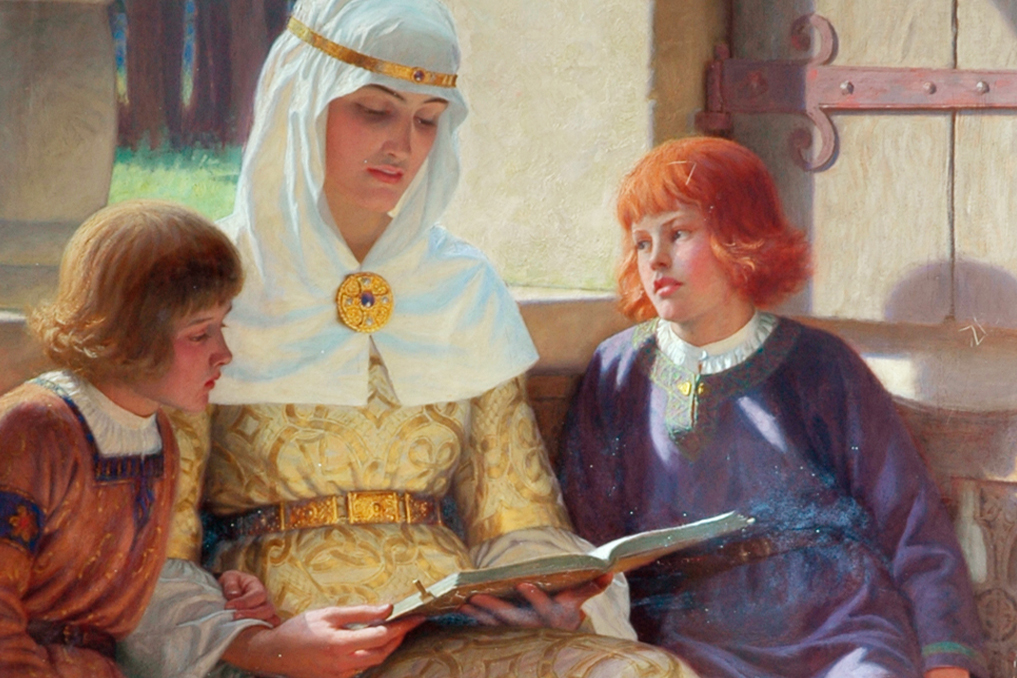
Modern culture celebrates the brilliant leader, the revolutionary thinker, the exceptional individual who rose above the crowd through sheer force of personality. More often than not it pressures women to meet men’s accomplishments equally without acknowledging the powerful way women have always shaped the world.
Many of the figures who shaped the course of history were first shaped by someone else. Mothers have historically been among the first architects of character. They teach children how to think about responsibility, morality, discipline, and courage long before those children encounter the wider world. These early lessons form the inner framework that later supports leadership.
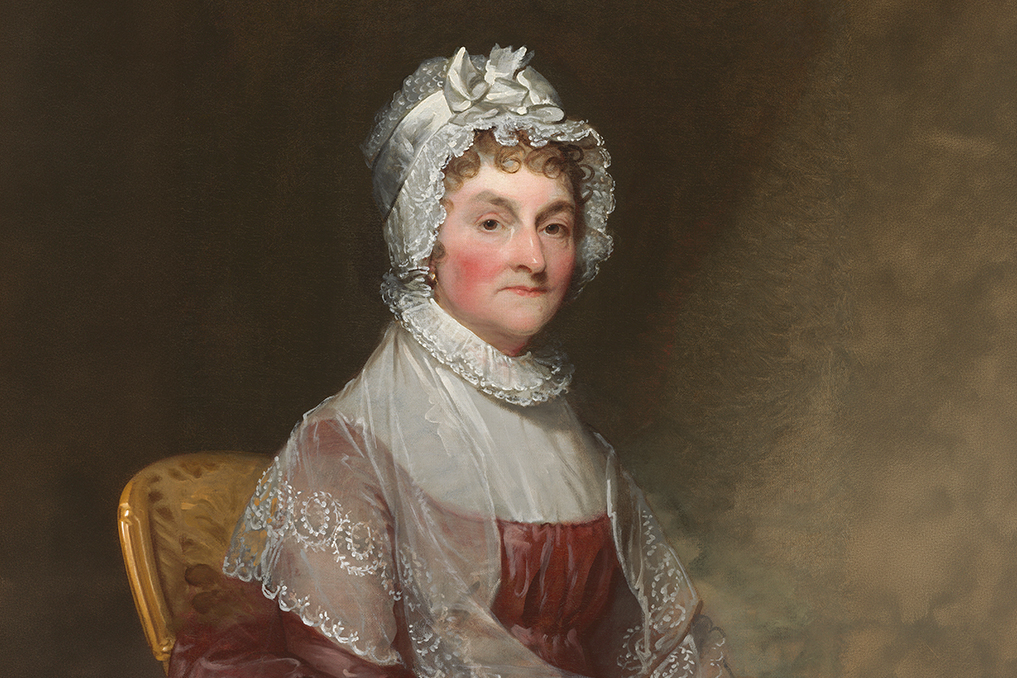
Abigail Adams and the president who almost said no
Few political families in American history were as influential as the Adams family. John Adams served as the second president of the United States, and his son John Quincy Adams would eventually become the sixth. But John Quincy Adams was not naturally drawn to the presidency. In fact, at various points in his career he seemed reluctant to pursue the role at all.
That reluctance did not go unnoticed by his mother.
Abigail Adams was one of the most intellectually formidable women of the early American republic. Her letters reveal a mind that was politically sharp, morally serious, and deeply invested in the future of the young nation her generation had fought to create. She had witnessed the American Revolution up close alongside her husband and understood how fragile the new republic truly was.
For Abigail Adams, public service was not about ego or personal ambition. It was about duty.
Throughout her son’s life she wrote letters encouraging him to pursue excellence and reminding him of his responsibility to serve the country. When John Quincy Adams doubted his own political path, his mother was often the one urging him forward. She believed he possessed both the intellect and the moral seriousness that the young nation required in its leaders. He was also undoubtedly the best prepared person, since he grew up as an apprentice to his father and spent a lot of time not only with him, but other Founding Fathers. He even traveled to France with Benjamin Franklin to negotiate diplomatic support, and Abigail knew that he had to put all that knowledge and experience to the service of the American people.
John Quincy Adams eventually accepted the role of president, though not without difficulty. His presidency itself was complex and controversial, but his lifelong commitment to public service never wavered. That sense of duty had been instilled long before his political career reached its peak. And much of it can be traced back to his mother.
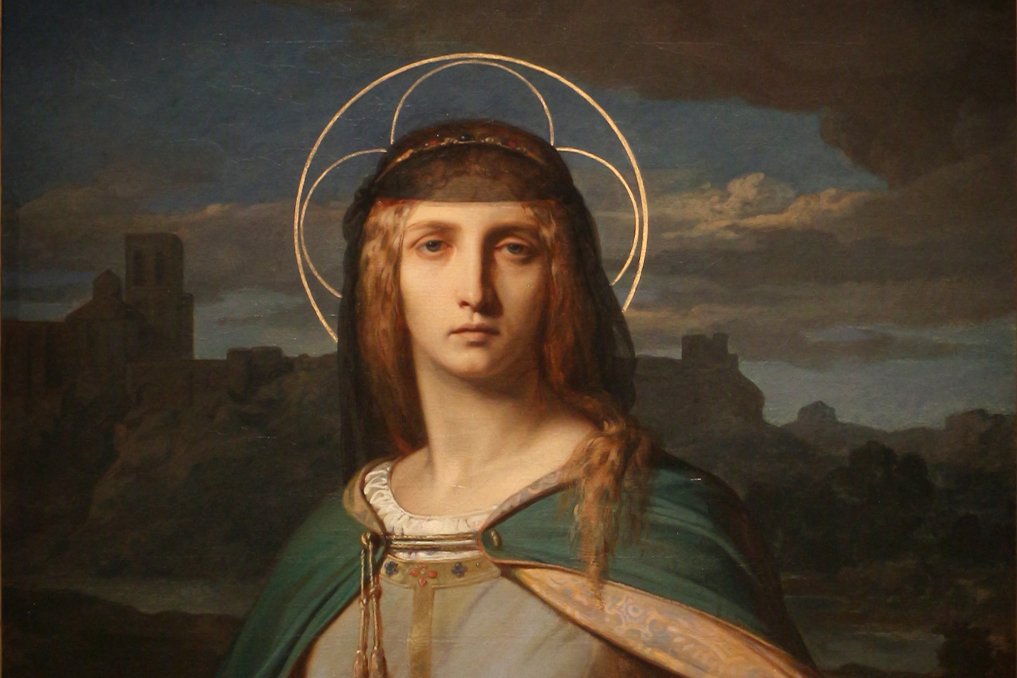
St. Monica and the son who would become a saint
Not every influential mother shaped history through political guidance. Some did so through something quieter but equally powerful: prayer and perseverance.
St. Monica, the mother of St. Augustine, is remembered today largely because of the remarkable story of her son’s spiritual transformation. Augustine would later become one of the most influential Christian thinkers in history. His works, particularly Confessions and The City of God, helped shape Christian philosophy for centuries.
But Augustine’s early life did not suggest he would one day become a saint.
As a young man in the fourth century, he pursued intellectual exploration and worldly pleasures that deeply troubled his devout mother. Augustine drifted through philosophical movements and personal relationships that left him far from the Christian faith Monica hoped he would embrace. For many parents, this might have seemed like a lost cause, but Monica refused to give up.
For years she prayed persistently for her son’s conversion and remained a steady presence in his life. She followed him as he traveled, continuing to hope that he would eventually return to the faith. Her patience and persistence became legendary in Christian tradition.
Eventually Augustine experienced a profound conversion and dedicated his life to Christian teaching and writing. In his own autobiographical writings, he speaks movingly about his mother’s faith and perseverance. The theologian who would influence Christian thought for centuries believed his transformation had been shaped in no small part by his mother’s relentless love, patience, and prayers.
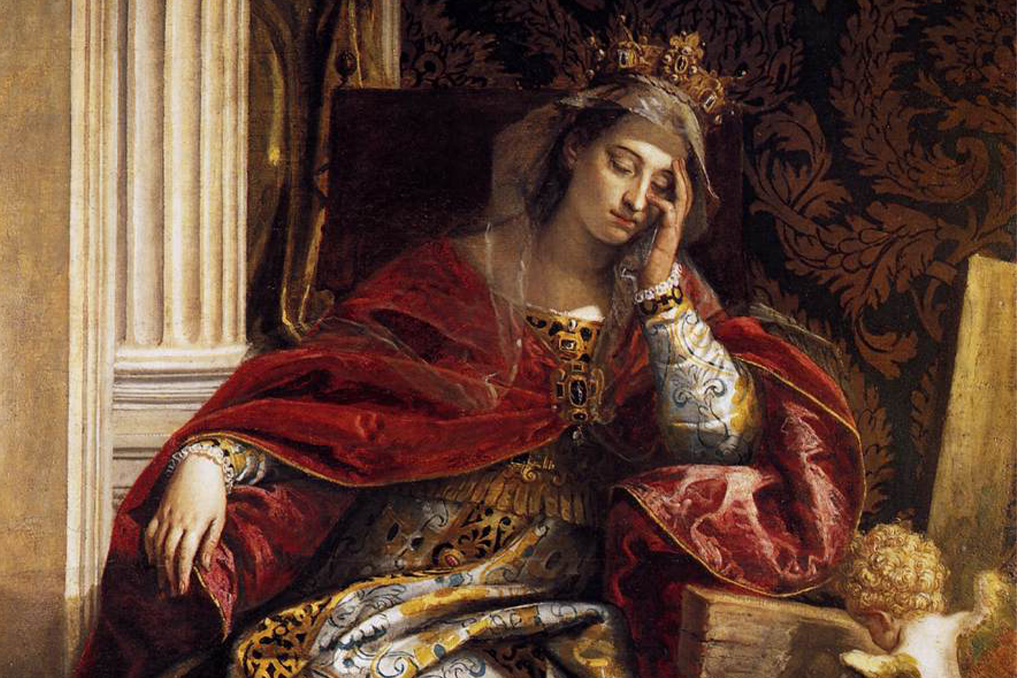
St. Helena and the emperor who changed an empire
Another mother whose influence echoed through history was St. Helena, the mother of the Roman emperor Constantine. He is remembered for one of the most consequential religious shifts in world history. During his reign, Christianity moved from a persecuted minority faith within the Roman Empire to a religion that enjoyed imperial support. His work and overall leadership dramatically altered the trajectory of Christian history.
But Constantine’s openness to Christianity did not appear out of nowhere.
Helena emerges not as a figure of political spectacle but rather someone strong who naturally influences. A Christian woman whose faith was lived rather than declared, and whose influence took root in the most intimate of places: her son. Long before Christianity carried any political weight, she rendered it familiar, almost inevitable, shaping in Constantine a sense that Christianity was not foreign or fragile, but enduring and true. In time, Helena’s own devotion drew her outward, into perhaps one of the most historically significant pilgrimages. Aside from her son, her greatest legacy is the identification of Holy Sites such as Golgotha where Christ was crucified and the discovery of the True Cross on which Our Lord was crucified.
And so, beneath the vast turning of empires and the reordering of the Roman world, we get a glimpse of a mother, a son, and their relationship that shaped the West.
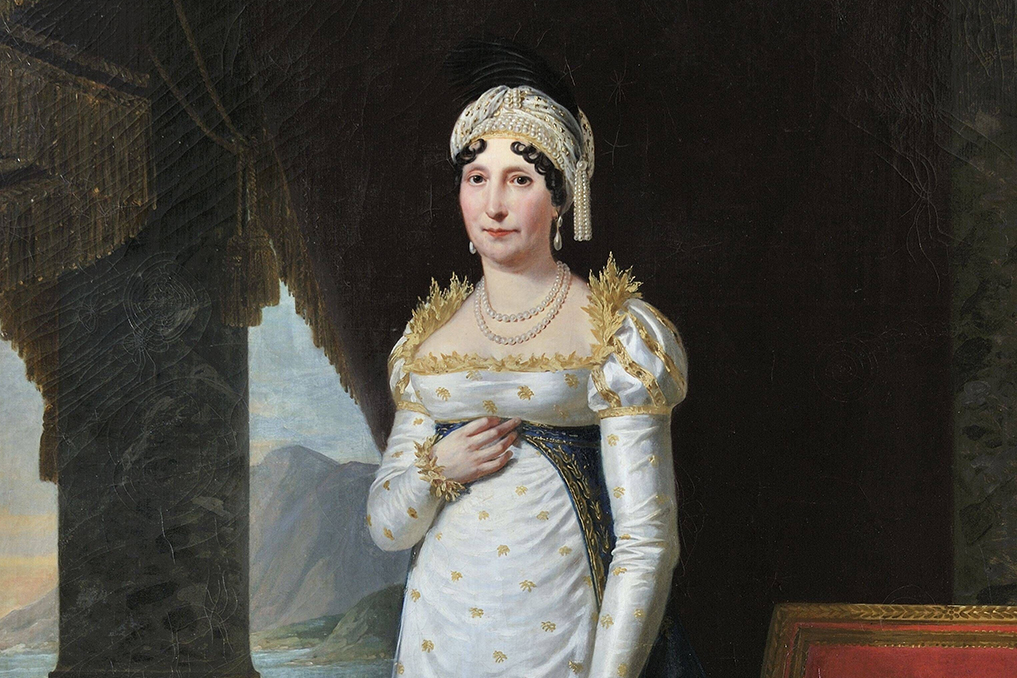
Letizia Bonaparte and the boy who became Napoleon
Not every mother of a historical giant was known primarily for piety or political philosophy. Some were known for strength.
Letizia Bonaparte, the mother of Napoleon Bonaparte, was famous for her distinctively strong character. She was born in Corsica during a turbulent period of political conflict and she raised her children amid instability, war, and financial hardship. These circumstances required extreme resilience and discipline, qualities she passed on to her son. Napoleon himself later acknowledged the influence of his upbringing. He once remarked that the future destiny of a child is always the work of the mother.
This combination of resilience and discipline shaped the young Napoleon long before he became a military legend. His ambition and toughness did not emerge in isolation. They developed in a household led by a mother who understood hardship and expected strength from her children. This strength though, unmoored from virtuous roots, is inadequate for a life and legacy of true greatness, regardless of temporal achievements.
Why mothers’ leadership will always matter
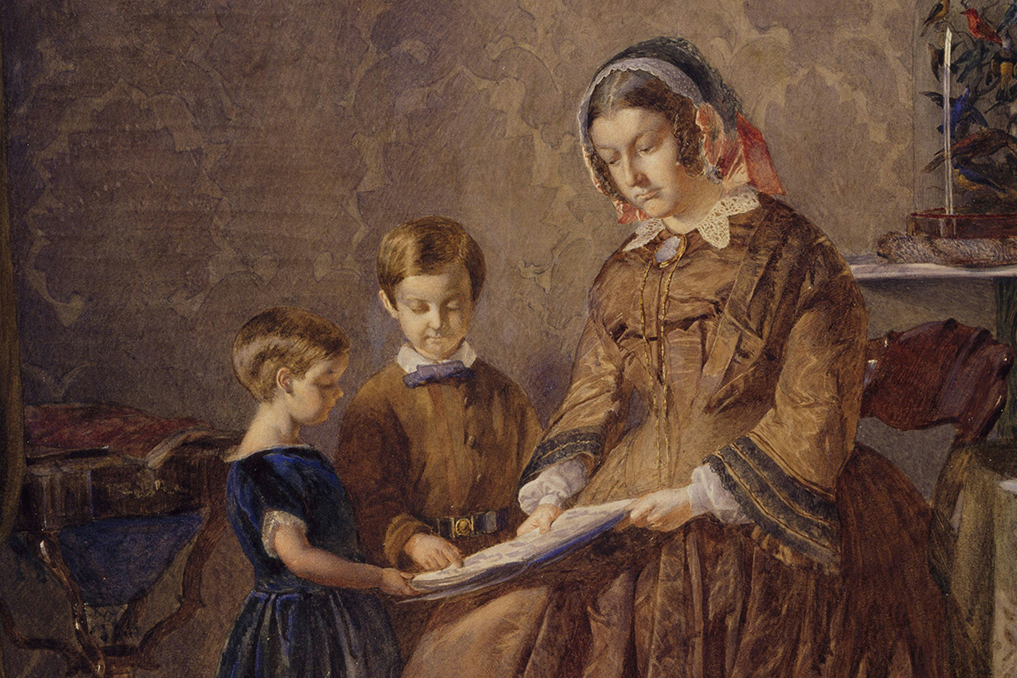
What is striking about these stories is how often the influence of these women remains hidden in the official narrative of history. The character that engraved so many names into our history, is a character formed at home by mothers. In modern discussions about ambition and influence, motherhood is sometimes treated as though it exists outside the realm of historical significance, with cultural narratives emphasizing public accomplishments while overlooking the origin story.
With a closer look, we may find that the true origins of greatness are not found in moments of glory, but in the quiet and often unseen work of mothers.
Related Posts
The non-sewers’ guide to All Saints’ Day costumes
By Grace Porto
How JP2 teaches us the concept of healthy leisure
By Ava Cilento

Accessorizing 101: How to mix and match colors and textures
By Jessica Nardi
Custody of the eyes
By Rosie Hall