Bring back the roaming-wild-and-free childhood
Published on July 3, 2026
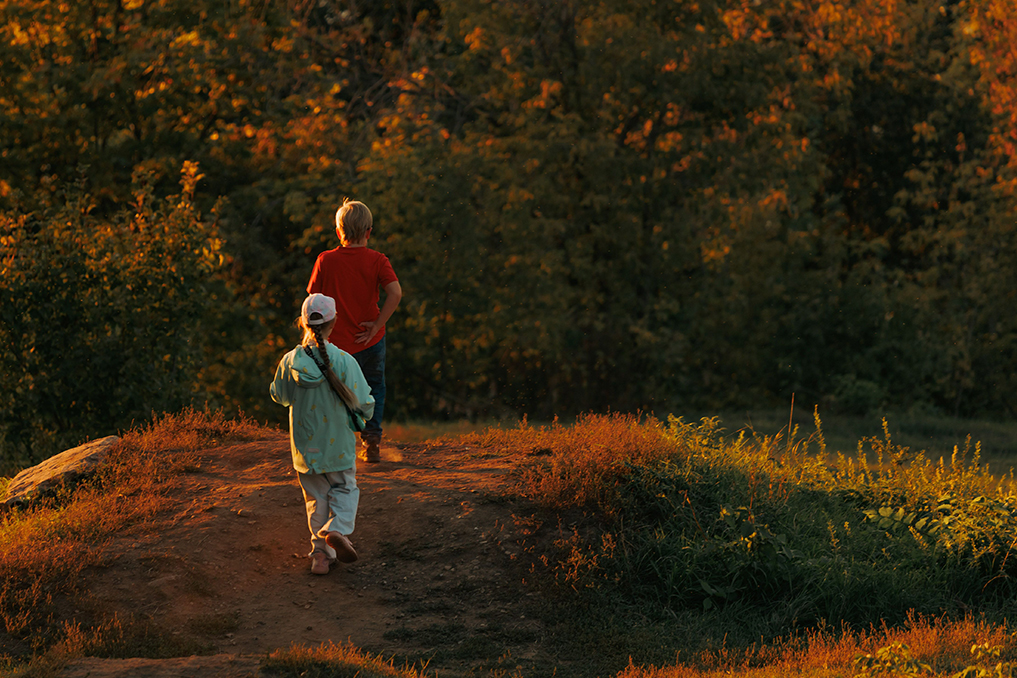
When I was living in the suburbs as a pre-teen and teenager, as soon as the winter weather ended, there were kids playing outside until at least sundown. Bike rides, kickball, hide-and-seek, and manhunt were all daily occurrences, and parents didn’t interfere.
But during the COVID-19 pandemic, streets became eerily quiet with social distancing rules and deep fear of illness and ostracism if the rules were disobeyed. Neighborhoods never seemed to recover — and playgrounds, libraries, and other public places are often empty of young people even today.
Among the many factors at play, researcher Jonathan Haidt, in his book The Anxious Generation, posits two main culprits: technology addiction and overprotective parenting norms. But unsupervised play, he argues, is absolutely critical to a child’s development. The cost of restricting unsupervised play may be poorer mental health, and he hypothesizes that Gen Z’s increased rates of anxiety and depression are a result of play deprivation.
The high cost of technology
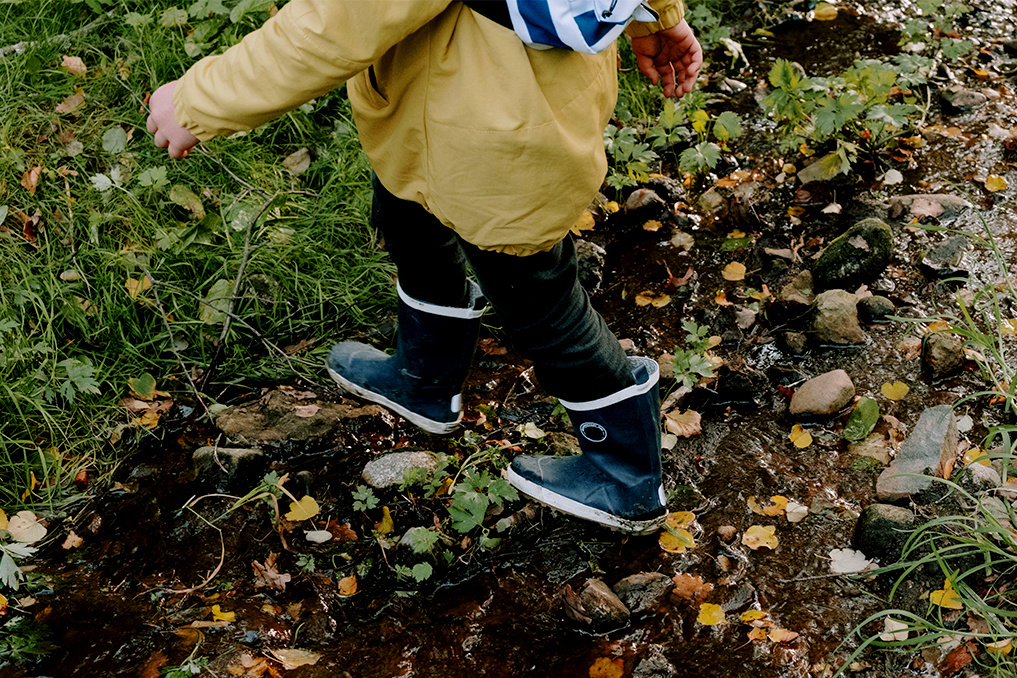
One of Haidt’s main arguments is that technology has a high opportunity cost: Kids miss out on experiences in the real world due to the hyper-stimulating and addictive nature of social media and video games. This lack of engagement in free, unstructured play means kids miss the opportunity to build social skills, emotional intelligence, and resilience. And even when children are playing today, it is often highly regulated and managed by adults.
An article by Haidt delves deeper into the importance of unsupervised play; according to meta-analyses of studies, the strongest parenting style predictor of childhood anxiety is low autonomy-granting, or excessively restricting a child’s choices and freedom. Excessively restricting a child’s freedom can also result in worse adulthood outcomes, the article states, including higher rates of depression, suicidality, and substance abuse.
“When children are denied opportunities to take age-appropriate risks and develop independence,” according to Haidt, “they may fail to build a sense of self-efficacy — a key buffer against anxiety.”
The article also points to a 2025 study that found outdoor play specifically improves attention, memory, and cognitive control compared to indoor play, even after just 45 minutes of play.
Finally, the article found that preschool playgrounds with more opportunity for risky play resulted in children showing “lower levels of depressed affect and antisocial behavior.” In addition, it found reported improvements in focus, creativity, and self-regulation.
Finally, unstructured play gives children opportunities to build social skills amongst themselves, especially conflict resolution.
Help Me Grow Minnesota explains: “Children work together during unstructured play to solve problems, like who takes the first turn in a game and establishing other rules of play. While activities should be supervised, allow children time to work together on problems before helping resolve a conflict or question.”
Create a neighborhood culture
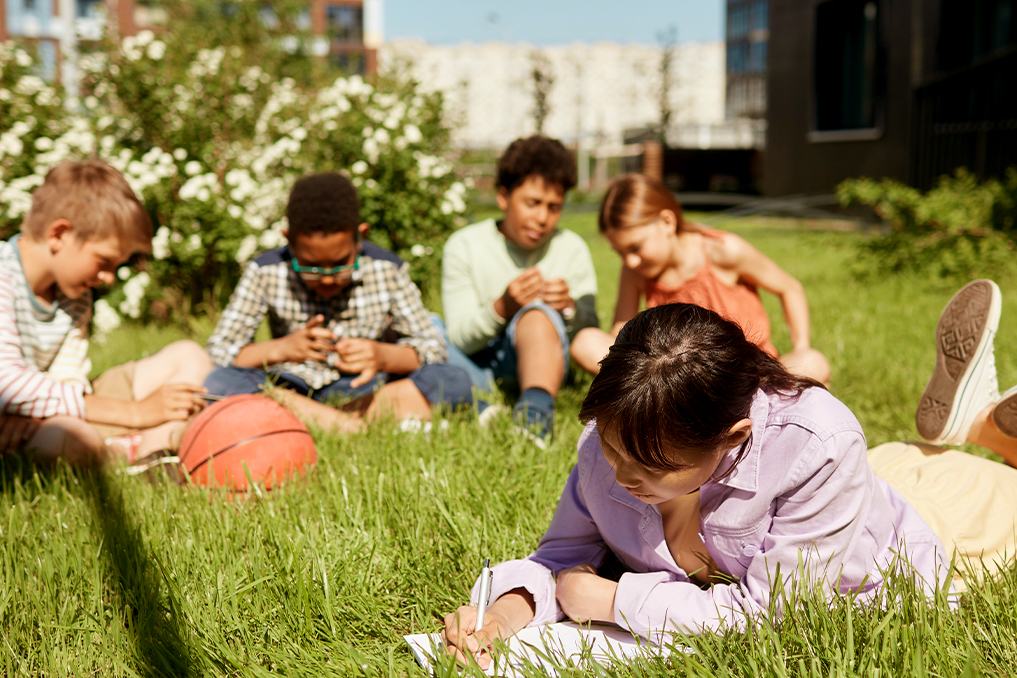
So let your children play outside — without adult micromanagement. Talk to the other parents in your neighborhood to encourage each other to promote outdoor play and to agree on allowing children more autonomy. Let your kids have scraped knees, drink from garden hoses, and solve disputes among themselves. They will reap the benefits for the rest of their lives.
Related Posts

Catholic accessories for back-to-school
By Rose Church
5 reasons you should take your kids to the library — and how to do it!
By Brittany Makely

Sacred art in an artificial world
By Ava Cilento

Small habits that add whimsy and joy to your day
By Johanna Duncan