The lost art of joyful celebrations: Barranquilla Carnival
Published on February 10, 2026
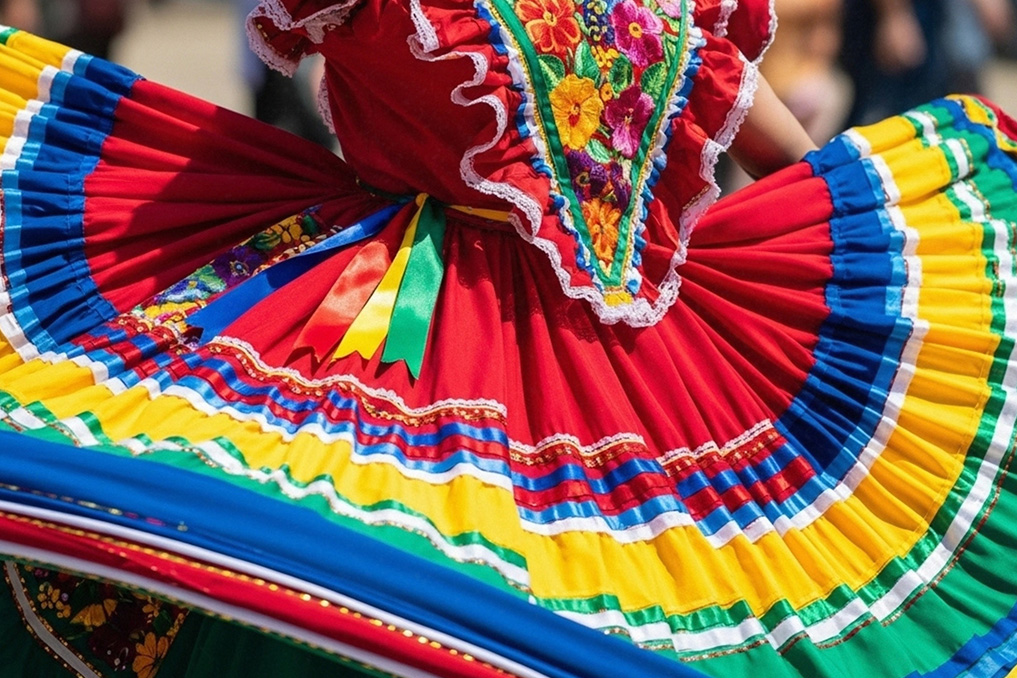
There’s a particular kind of exhaustion and emotional draining that is common in our current age; it’s not the exhaustion of physical labor, but something more insidious. It’s the fatigue of optimization, of calendars color-coded down to 15-minute increments, of cities that look increasingly like one another with glass towers and chain coffee shops, of lives lived in service to metrics that measure everything except the things that make us feel most alive. We’ve become so good at being serious and productive that we’ve forgotten how to let go and be joyful.
I’m writing this from Chicago in late January, where the sky has been the color of concrete for weeks, where my evenings consist of working late under fluorescent lights and social outings are very contingent on the weather. For someone who grew up in the Caribbean coast of Colombia, these situations are exotic and something that for a long time, I only experienced through movies (Home Alone, National Lampoon’s Christmas Vacation, While You Were Sleeping, etc). The cold here isn’t just physical; it seeps into how you move through the world, hunched and hurried, everyone racing from one heated interior to another.
While facing this bitter winter, though, I am preparing a return to one of the most joyful celebrations on earth – Barranquilla’s Carnival.
Barranquilla, is a coastal city in the Caribbean Coast of Colombia. It is well known as The Golden Gate into Colombia since it is the place where the Magdalena river meets the Atlantic ocean. Historically, this was the entry point for the large galleons into South America and this led to a rich cultural and ethnic mix in Barranquilla. This cultural concoction truly shows off at the carnival.
The Barranquilla of my childhood surrenders itself entirely to four days of dance, music, and color. I remember walking into the streets with my parents as the sun blazed overhead, everyone throwing flour into the air and at each other’s faces until we were ghosts, white-dusted and laughing. I remember learning the traditional dances at school and the day the Carnival Queen herself visited the school! My mother still has photographs of me dressed in the most incredible costumes my grandmother created with sequins, feathers, and fabric that I would wear for barely a day.
As a kid, this was all plain fun, but as an adult I’ve come to understand that the carnival reminds us of something the world seems to be forgetting: how to feast and fast. We don’t do much of it anymore; we’ve settled into an awkward in-between. We’ve embraced a monotonous feeling of being well, instead of experiencing the lows of a fast in true penance and the highs of a real feast.
What strikes me most about the carnival is its commitment to beauty without utility. My grandmother’s costumes took months to create, and I wore them for perhaps a day, sometimes just hours. The floats require enormous effort from craftsmen who work year-round and exist only to be paraded once through the streets. The dances are passed down through generations not because they serve some practical purpose but because they’re worth preserving for their own sake, because they connect people to their history and to each other in ways that matter even if they can’t be measured. At least now we have a museum where some of these treasures are preserved and can be admired all year round.
But the essential character remains: Carnival is still fundamentally about ordinary people creating an extraordinary celebration.
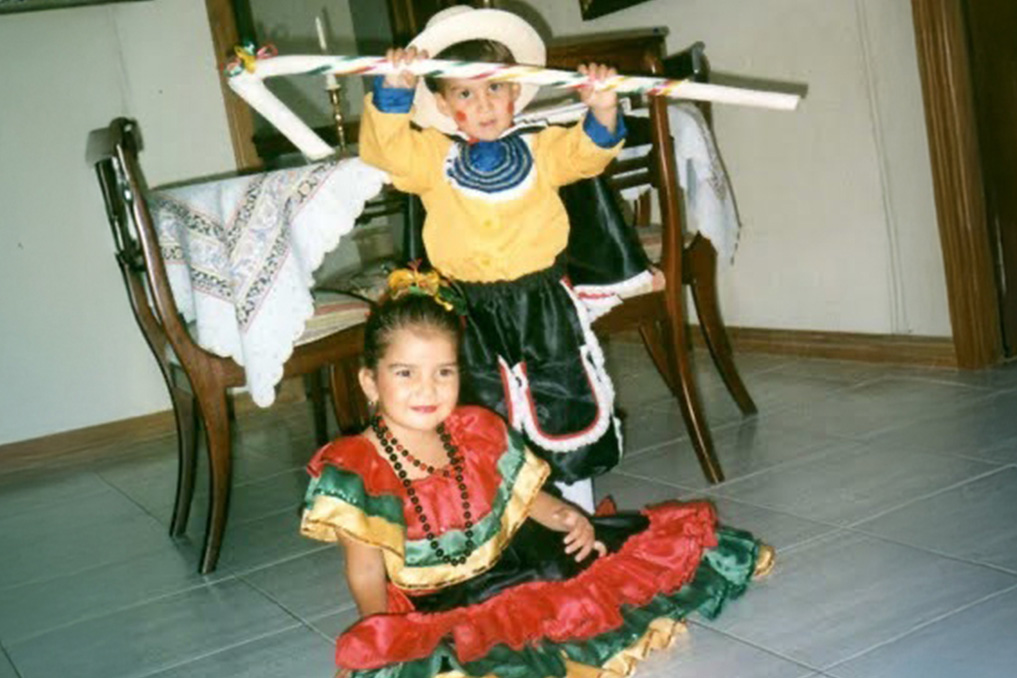
How it works
For four days before Ash Wednesday, Barranquilla becomes what our increasingly sterile, productive world has forgotten how to be: a place that exists purely for celebration, joy, and beauty itself. The Barranquilla Carnival doesn’t apologize for its excess and it doesn’t try to be efficient or streamlined. It is simply a massive, sprawling, gloriously uncontainable expression of joy that feels like an antidote to everything our modern world has become.
The origins of Barranquilla’s Carnival stretch back to the 19th century, when the city was emerging as Colombia’s primary port and becoming a melting pot of cultures. Spanish colonial traditions mixed with African rhythms brought by enslaved people, indigenous customs, and later influences from Middle Eastern and European immigrants. What emerged wasn’t some diluted fusion but something entirely new: a celebration that belonged uniquely to Barranquilla.
Unlike the more famous Carnival in Rio or the structured parades of New Orleans, Barranquilla’s Carnival grew organically from neighborhood celebrations and street parties. There was no grand design, no committee that sat down to create it. It evolved the way culture evolves – naturally through the accumulated creative energy of ordinary people. For them, the Carnival is a way to celebrate being alive right before the fasting and penance of Lent.
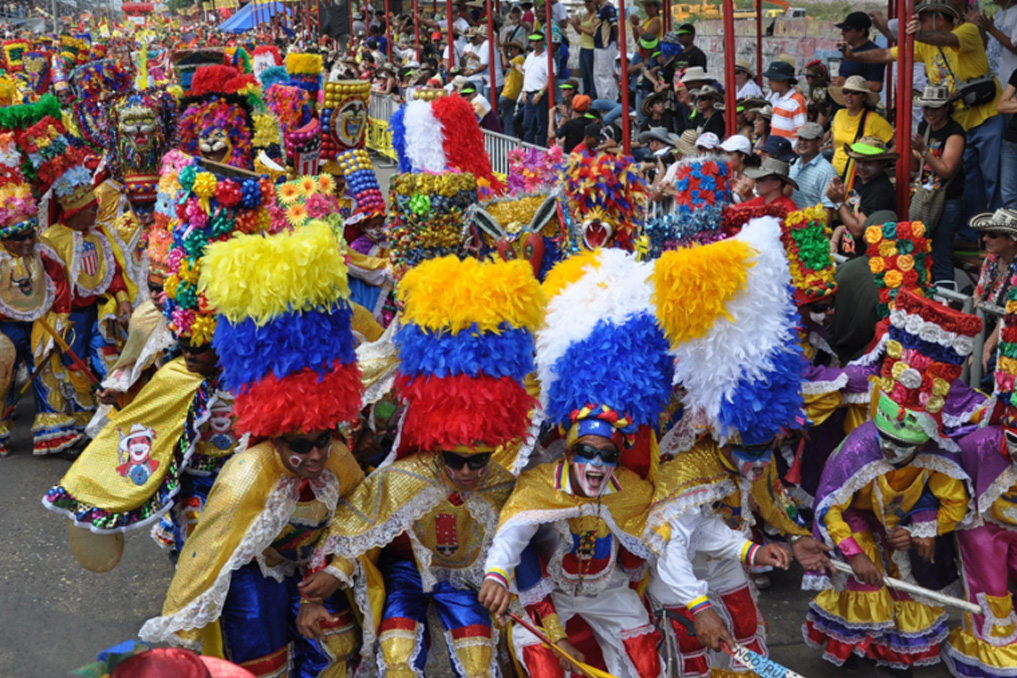
What are we celebrating?
There’s something profoundly radical about a celebration that brings together hundreds of thousands of people with no purpose other than joy. In an economic system that values us primarily as producers and consumers, Carnival is time spent producing nothing and consuming only experience. In a culture increasingly stratified by class and race, carnival creates temporary spaces where those divisions blur, where a CEO and a street vendor might find themselves dancing side by side, both wearing ridiculous costumes, both equally absurd and equally human.
What’s fascinating is that this massive expression of chaos and creativity operates within a structure that’s utterly absurd and utterly serious: A mock monarchy. Every year, Barranquilla crowns a Queen and even holds a public “Crowning Ceremony” in which the city’s mayor hands the keys to the city to the Queen and she proceeds to lead the sanctioned mayhem in town.
But the real carnival happens in the streets between these official events, in neighborhoods where sound systems blast champeta and cumbia from morning until dawn, where impromptu dance circles form and dissolve, where anyone can join and everyone does. This is where it all comes to life; being in the streets, the sun beating down, music everywhere, everyone laughing as they throw flour at strangers who threw it back, everyone complicit in this temporary madness.
From my Chicago apartment, where winter seems to last forever and productivity is the only recognized virtue, these memories feel almost impossible. Here, February means bundling up against the wind that cuts through you, short days and long nights, a work culture that treats joy as something earned through suffering and dedication, rather than a necessity for life. The pub evenings with colleagues or movie nights at home are pleasant enough, but they’re recuperation and rest, not celebration.
Barranquilla in February is the exact opposite: sun-drenched, exuberant, committed to creating joy as a collective project.
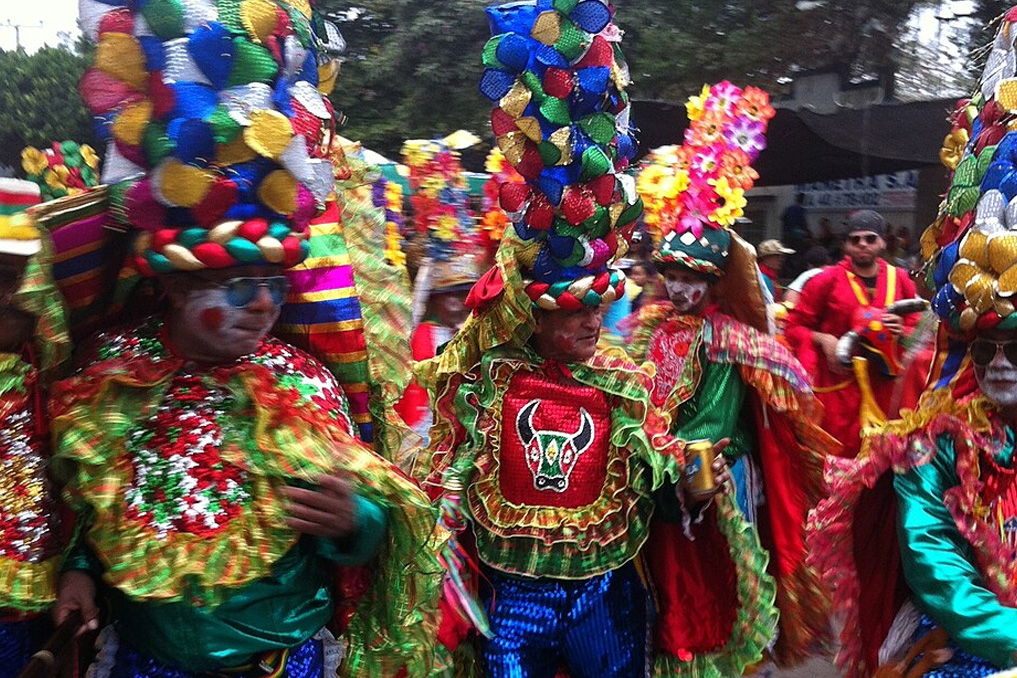
How it contrasts the world
This feels particularly important right now, as we live through an era of relentless optimization and increasing sameness. We’ve created a world that functions smoothly but doesn’t leave much room for the excessive, the exuberant, the gloriously pointless.
Carnival reminds us that we are not machines to be optimized. We are creatures who need beauty and excess and moments of collective effervescence where we lose ourselves in something larger than our individual concerns. We need to dress up in ridiculous costumes for no reason other than it brings us joy. We need to dance until we’re exhausted not because it burns calories or improves our cardiovascular health but because moving our bodies to music connects us to something fundamentally human. We need more opportunities to revert to the carelessness and innocence of childhood.
As the homogenization of our world increases, celebrations like the Barranquilla Carnival become not quaint relics but essential acts of cultural preservation and human necessity. They’re proof that efficiency isn’t everything, that productivity isn’t the highest value, that sometimes the most important thing we can do is gather together and celebrate for no reason other than we’re alive and that’s worth marking with excess, creativity, and joy. Joy is work worth doing, and sometimes the most important act is simply refusing to be anything other than exuberantly, excessively, gloriously alive. Even if only for four days.
Related Posts

Subtle science of stacking jewelry
By Ava Cilento

Catholic accessories for back-to-school
By Rose Church

5 reasons you should take your kids to the library — and how to do it!
By Brittany Makely

Sacred art in an artificial world
By Ava Cilento