6 ways to ‘homestead’ without owning land, even in an apartment or home rental
Published on April 22, 2026
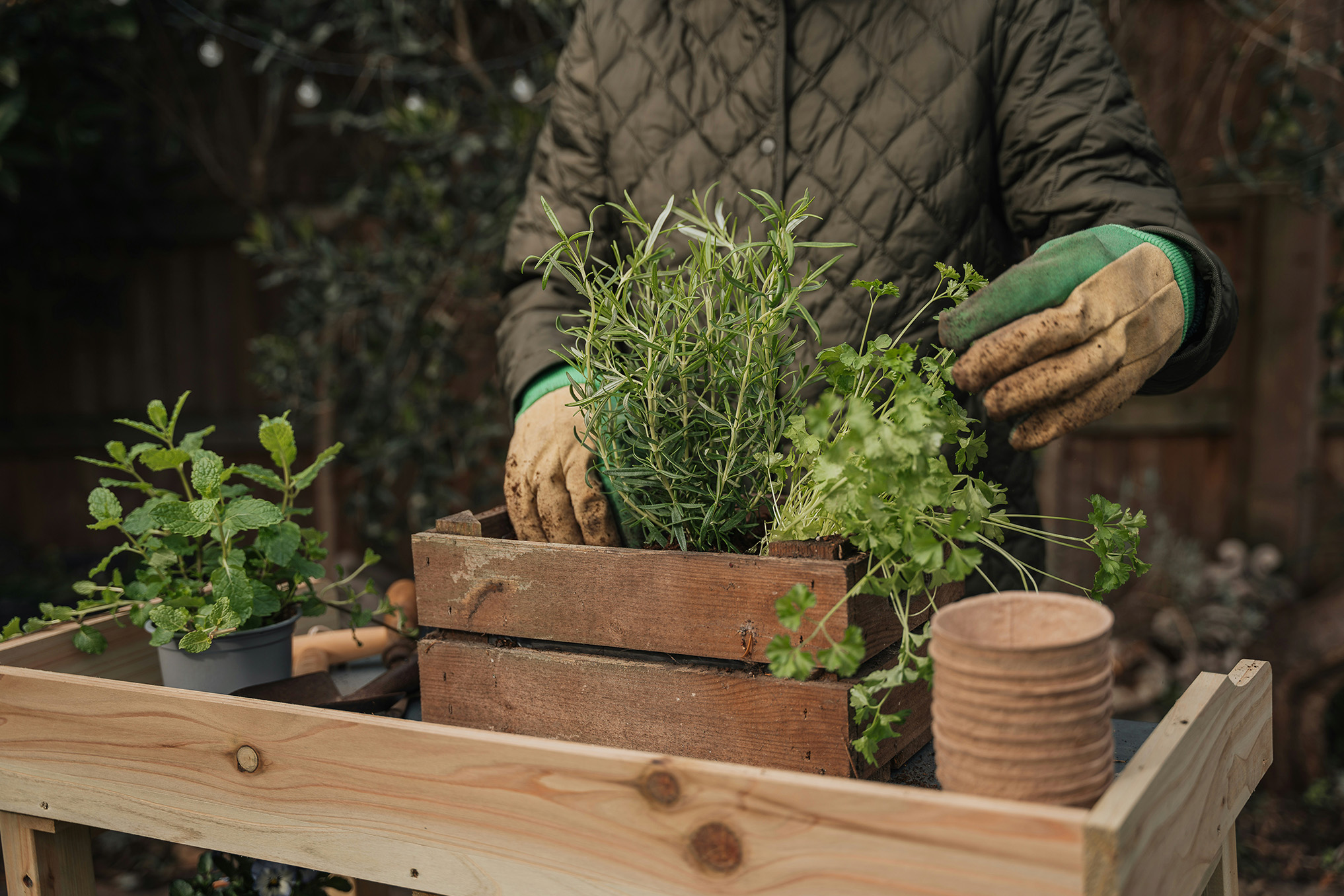
No backyard outside your apartment? Can’t plant corn at your home rental? No problem. You can still live simply, sustainably, and intentionally — right where you are.
For many young adults today, “homesteading” feels like an attractive but out of reach dream. Maybe you live in a city apartment, rent a home, or move frequently for work. Maybe you can’t raise chickens, plant a full garden, or build the slow, rural life you see online, but homesteading isn’t just about acres or Instagram, it’s about how you choose to live.
There’s still a deep pull toward simplicity, toward working with your hands, toward living a life that feels grounded instead of rushed. And the truth is: Homesteading was never just about land. It’s about stewardship, creativity, and intentional living — right where you are.
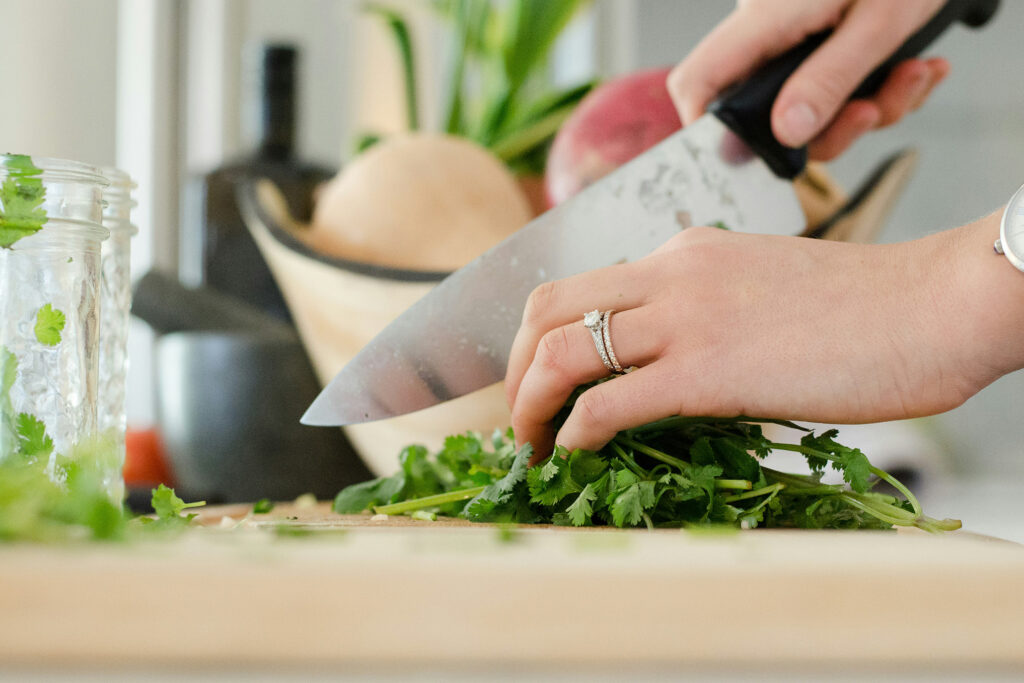
1. Cook more from scratch — reclaim your kitchen as the heart of your home
One of the simplest ways to “homestead” anywhere is to start in your kitchen.
Cooking from scratch shifts your mindset from convenience to care. Instead of defaulting to takeout or packaged meals, you begin to engage with your food — chopping, seasoning, tasting, and creating something nourishing.
It doesn’t have to be complicated. Start with a few go-to meals: a hearty soup, a simple pasta, roasted vegetables, maybe even homemade bread. As your confidence grows, so does your creativity.
And something deeper happens too. Cooking becomes less of a chore and more of a rhythm. It becomes a way to care for yourself and others, to slow down at the end of the day, and to make your home a place of warmth and welcome.
In a fast-paced world, a home-cooked meal is a quiet act of intention that can nourish both body and soul.
2. Grow something — bring a little bit of creation into your space
You don’t need land to grow something meaningful.
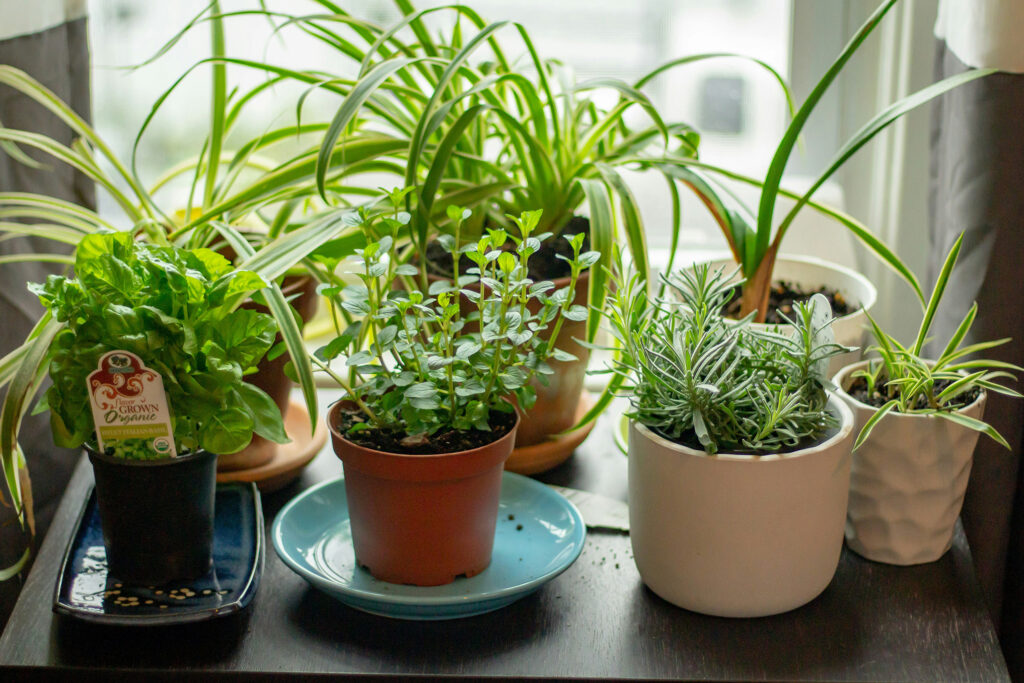
A small herb garden on your windowsill. A few pots on a balcony. A raised planter or hanging basket outside your door. Even in the middle of a city, life can grow in small, beautiful ways.
Start with what you’ll actually use — basil for pasta, mint for tea, rosemary for roasted dishes. Keep it simple and manageable. If you have space for a bigger or outdoor planter, try something easy like cherry tomatoes or peppers. You can even join a community gardening program or buy a small shared plot to cultivate if that’s offered locally.
Gardening, even on a small scale, reconnects you to something real. You begin to notice light, water, time. You learn patience and accept that growth can’t be rushed.
In a culture that demands instant results, tending a plant reminds you that good things take time and that you’re not in control of everything. And that’s a good thing.
3. Learn an old-school skill — build a life of competence, not just convenience
Modern life makes it easy to replace things instead of repairing them, to buy instead of create. But there’s a quiet satisfaction in learning how to do some things yourself.
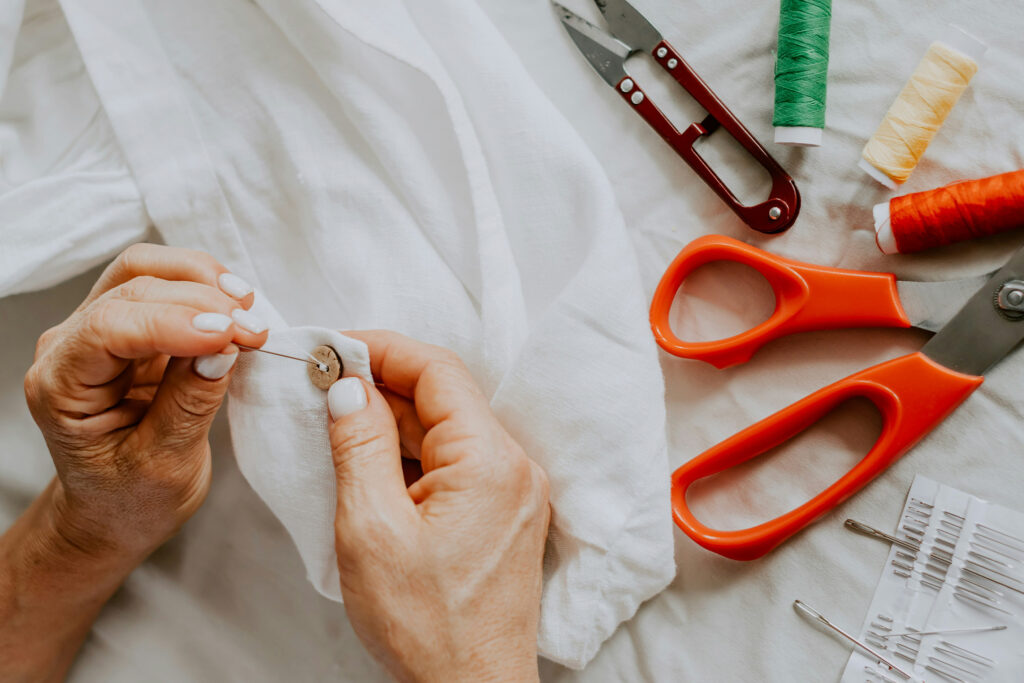
Maybe it’s sewing a button back on a shirt. Maybe it’s mending a tear, arranging flowers for your table, baking bread weekly, or creating simple home décor from items you already own. Maybe it’s learning how to repurpose something instead of throwing it away.
These skills don’t just save money — they build confidence. They remind you that you’re capable, resourceful, and creative.
There’s dignity in working with your hands, in taking something worn or ordinary and making it useful or beautiful again. That’s a kind of craftsmanship our world is quietly hungry for.
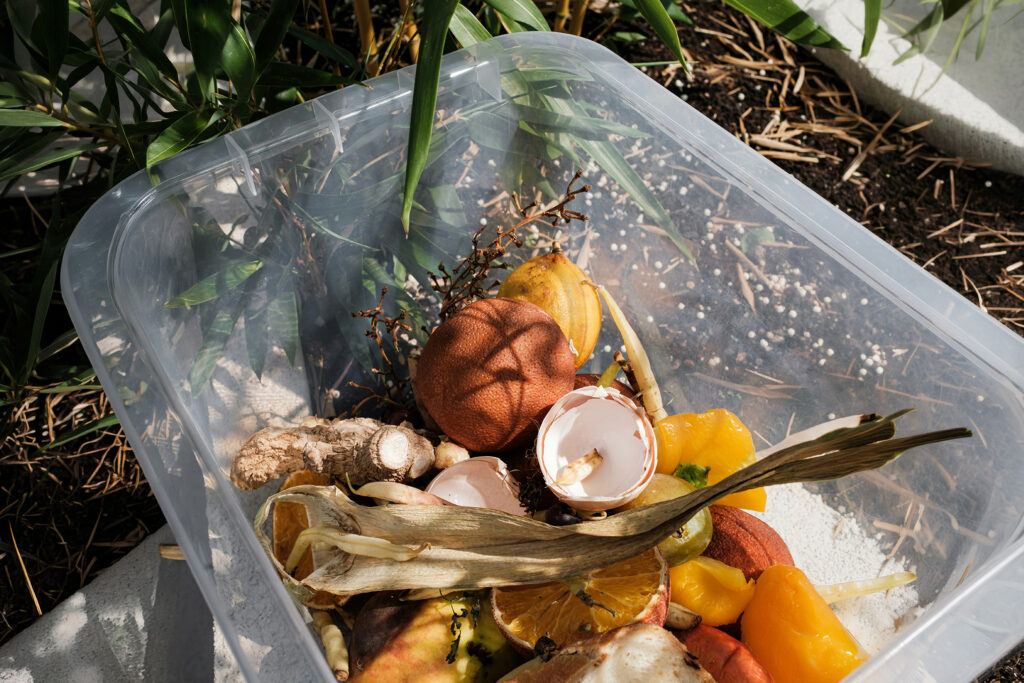
4. Reduce, reuse, and rethink consumption — live lighter and freer
Homesteading isn’t just about what you make — it’s about how you use what you already have.
Instead of feeling like you constantly need to buy more — gadgets, extra tupperware, or trendy clothes each season — focus on using what you have and investing in fewer, high-quality items you’ll actually use. Choose versatility over excess.
Rethink before you throw away. Vegetable scraps and bones can become homemade stock. Food scraps like coffee grounds or eggshells can be composted — even in small spaces. Glass jars can be reused for storage.
Make decluttering a regular habit, not a one-time purge. Keep what serves a purpose or adds beauty, and let go of the rest.
You can still spend, but do it wisely. Reuse when you can, invest when it matters, and treat what you own with care. That’s good stewardship and it leads to a simpler, freer life.
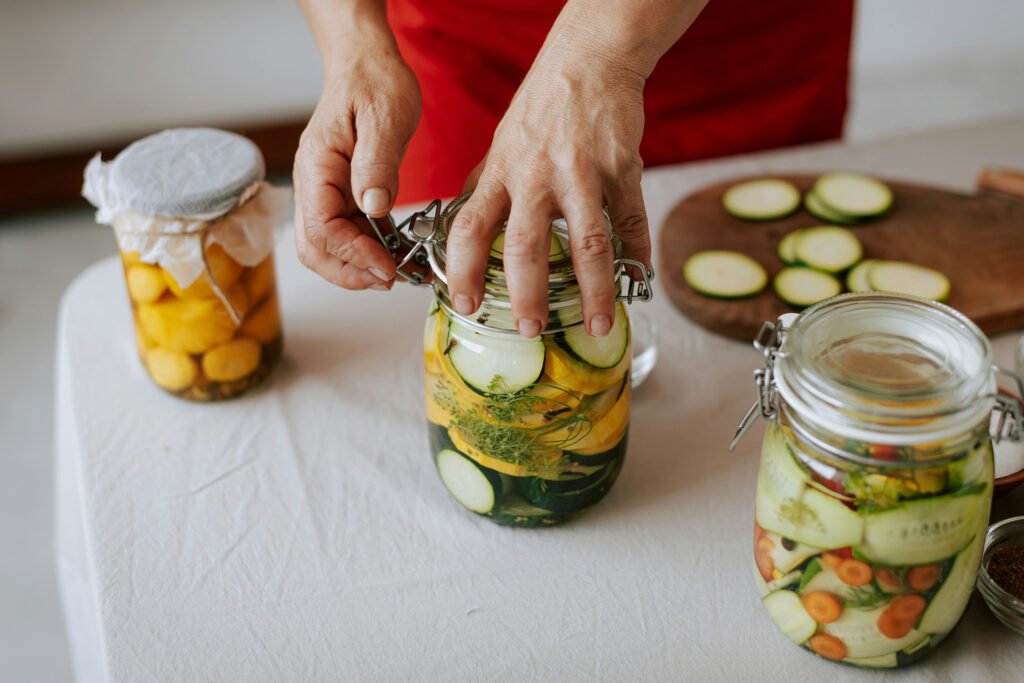
5. Learn to preserve food (even in a small kitchen) — traditional food wisdom in modern life
Food preservation might sound like something reserved for large homesteads or olden days — but it doesn’t have to be.
Even in a small apartment kitchen, you can begin learning simple ways to preserve food.
Start with freezing: homemade bone broth, extra meals, fresh herbs. Maybe try fermenting pickles or sauerkraut — simple, affordable, and satisfying. If you have the space, try small-batch canning like tomato sauce or jam.
These practices connect you to generations before you — people who wasted little and used what they had well.
They also build a sense of self-reliance. You’re not just consuming food; you’re stewarding it, extending its life, and being intentional with what you’ve been given. There’s something deeply grounding about that.
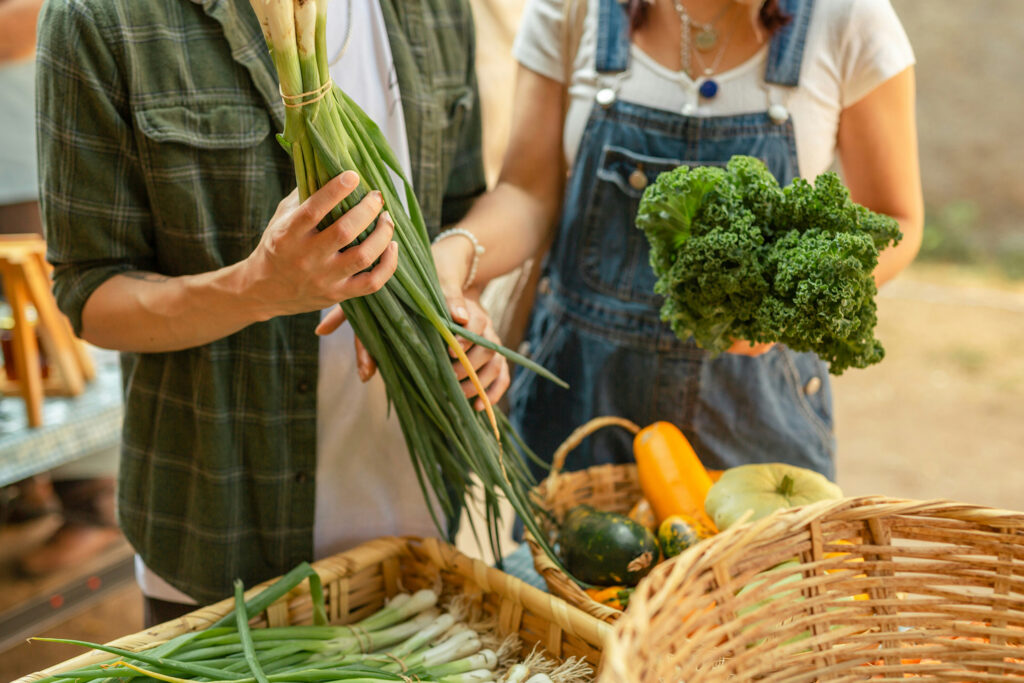
6. Connect with local food and community — you don’t have to do this alone
Even if you can’t grow everything yourself, you can still be intentional about where some of your food comes from.
Visit a local farmers market. Join a CSA. Support nearby growers and small businesses when you can. Get to know the people behind your food.
And don’t stop there — build community around it.
Share meals with friends. Split bulk purchases. Host simple dinners. Invite people into your space, even if it’s small or imperfect.
Homesteading, at its core, was never meant to be a solo pursuit. It’s about relationships — working together, sharing resources, and building something meaningful with others.
In a world where many feel isolated, this kind of connection is more valuable than ever.
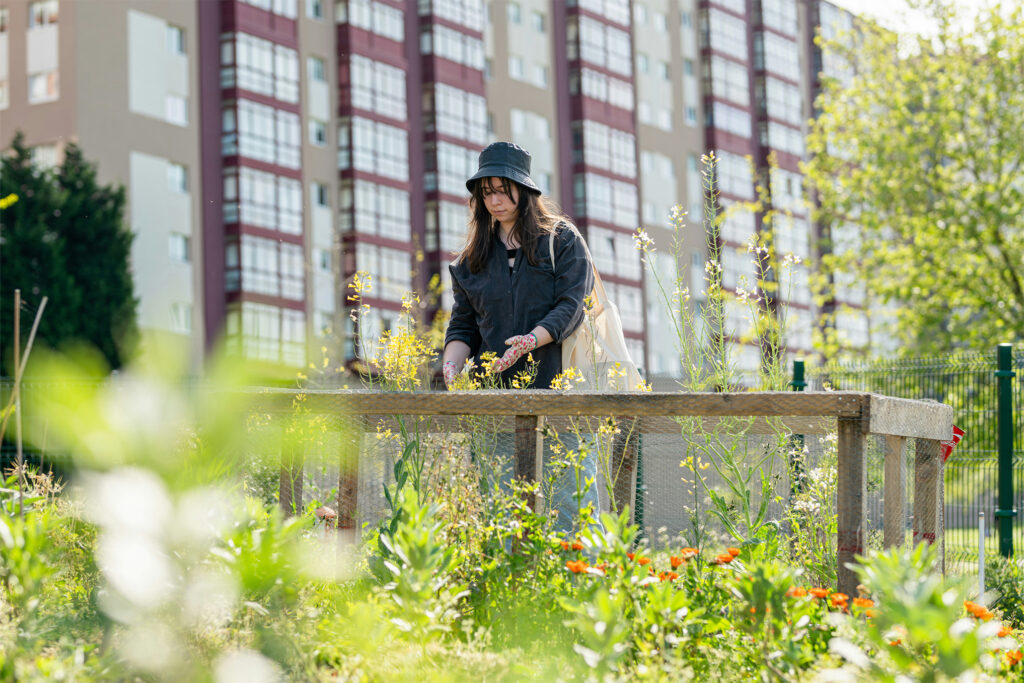
A rooted life can begin anywhere
You may not have land. You may not have animals, a big garden, or the “perfect” setup.
But you can still live a rooted life.
It starts with small choices: cooking instead of ordering, growing instead of buying, fixing instead of replacing, inviting instead of isolating.
Over time, those choices shape something deeper — a life that feels grounded, peaceful, and purposeful.
The best part: You don’t need to wait for a different season or a different place. You can start right where you are.
Related Posts
5 ways to prep your yard for outdoor fun this fall
By Rose Church

A girl’s guide to shopping for a wearable Miraculous Medal
By Ava Cilento

Bishop Sheen: Beatified in prime time
By Johanna Duncan
Holistic eating for the busy woman
By Lindsey Fedyk