Gardening 101: An interview with a master gardener
Published on April 20, 2026
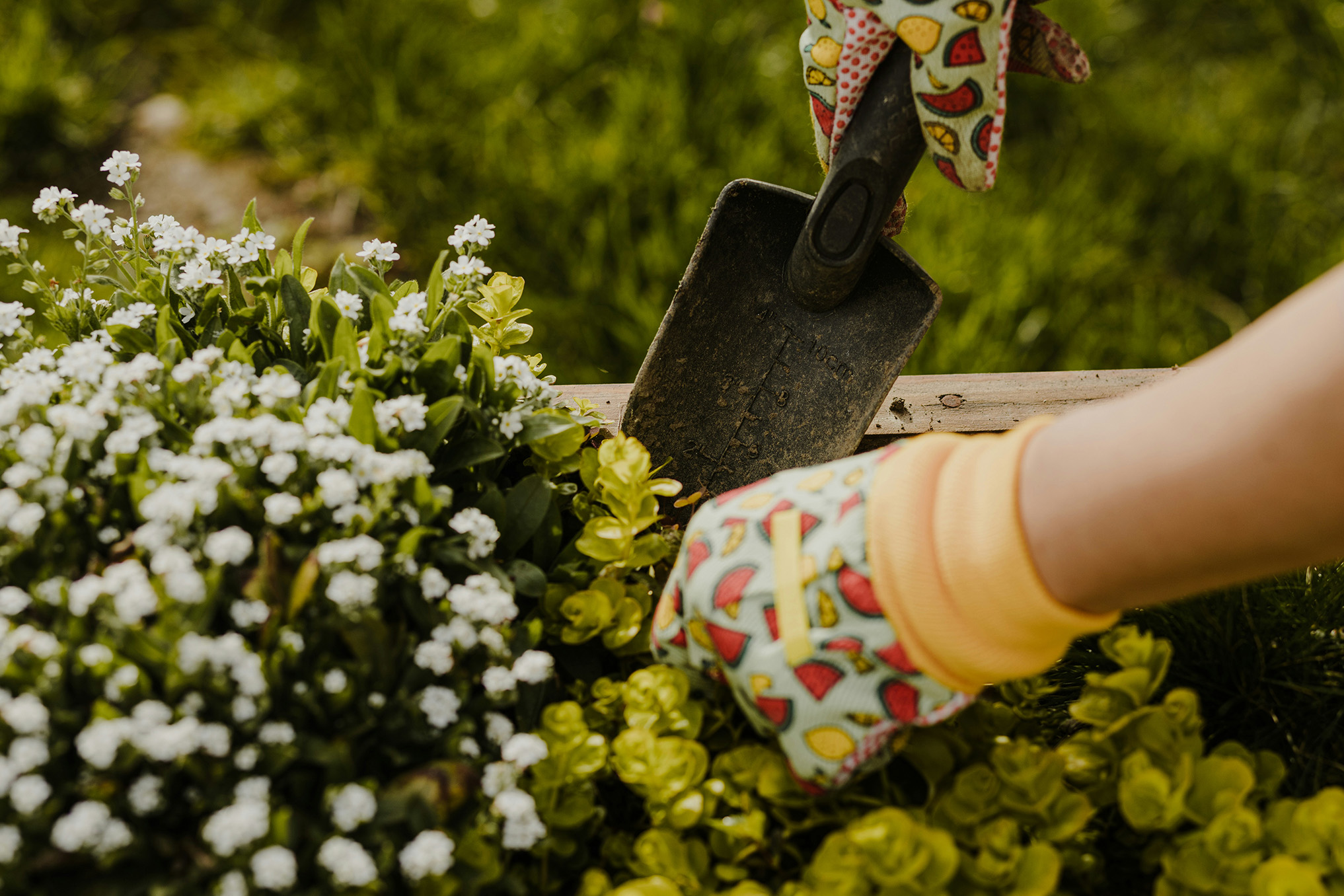
The birds are warbling, daffodils are sprouting, and spring is definitely in the air. With temperatures rising one can’t help but dream of a garden overflowing with colorful blooms and ripe vegetables. If you haven’t tried your hand at gardening (or even if you have, and your thumb isn’t as green as you’d like), the thought of planting calendars, zones, and weed barriers may overwhelm.
Master Gardener Nicole Nies is ready to reassure everyone that even beginners can have a beautiful and bountiful harvest. Always inspired to grow “real, fresh food” herself, Nicole and her husband started their first garden with inground beds that were oversized and packed too tightly.
She reminisced that this was their “first true learning experience in how overwhelming gardening can be without a plan.”
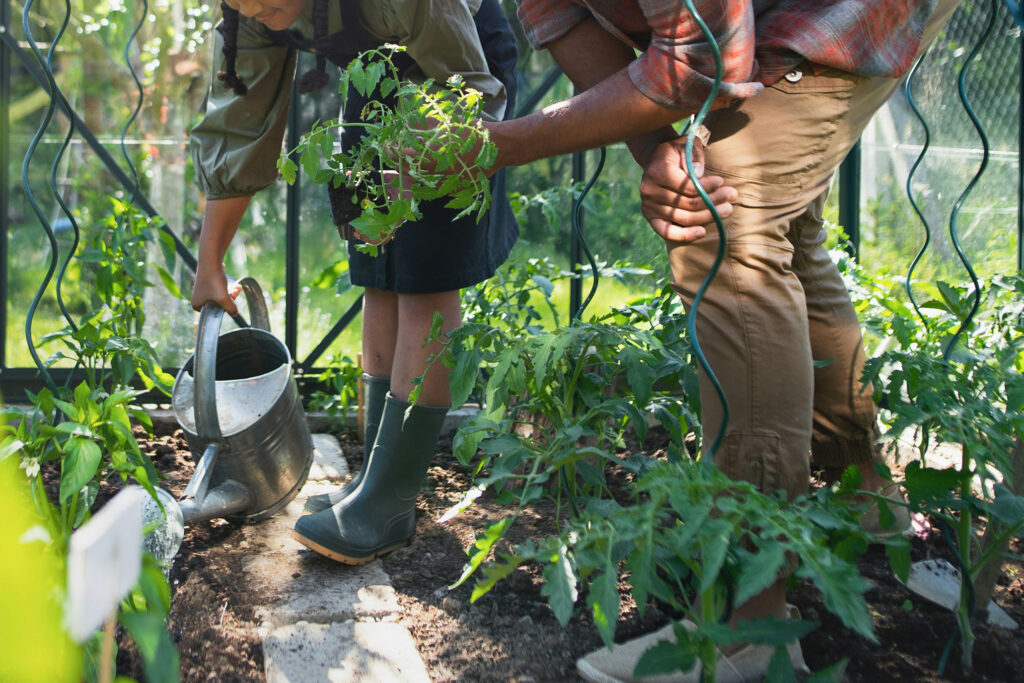
Master Gardener training
Resilient and motivated, she dove headfirst into research and even connected with her local gardening club. The club noticed her zeal for gardening and sponsored her training to become a Master Gardener through the local Master Gardener Extension program.
“The program expanded my knowledge far beyond vegetables and deepened my love for gardening. Today, I lead my community’s Junior Garden Club, hoping to inspire the next generation of gardeners,” Nicole explained.
From maintaining a beautiful garden of her own to helping neighbors plan and plot out their own gardens, Nicole is a wellspring of knowledge and encouragement for the amateur gardener. Read along to find out her favorite tips, tricks, and tools to a successful gardening season.
Research and planning: where to begin
With the entire internet at your fingertips, it can be overwhelming where to begin sourcing information.
“The first place I direct every new gardener is their local Extension office website. It offers region specific guidance on climate, soil, pests, diseases, and planting calendars,” Nicole said. Additionally, there are a plethora of books, blogs, and audio resources for the avid researcher.
Nicole’s gardening book recommendations
- Floret Farm Books by Erin Benzakein
A Year in Flowers, Discovering Dahlias, and Cut Flower Garden are visually stunning, inspiring, and accessible for beginners. - The Complete Gardener by Monty Don (2021 edition)
A comprehensive, highly illustrated guide to organic, wildlife-friendly gardening. It covers everything from soil and compost to garden design, with photography from his own Long Meadow garden. - The Garden Primer by Barbara Damrosch
A well-rounded, practical one volume gardening guide. - Old Farmer’s Almanac Garden Guides
Their vegetable, flower, and container gardening handbooks are approachable and helpful for beginners.
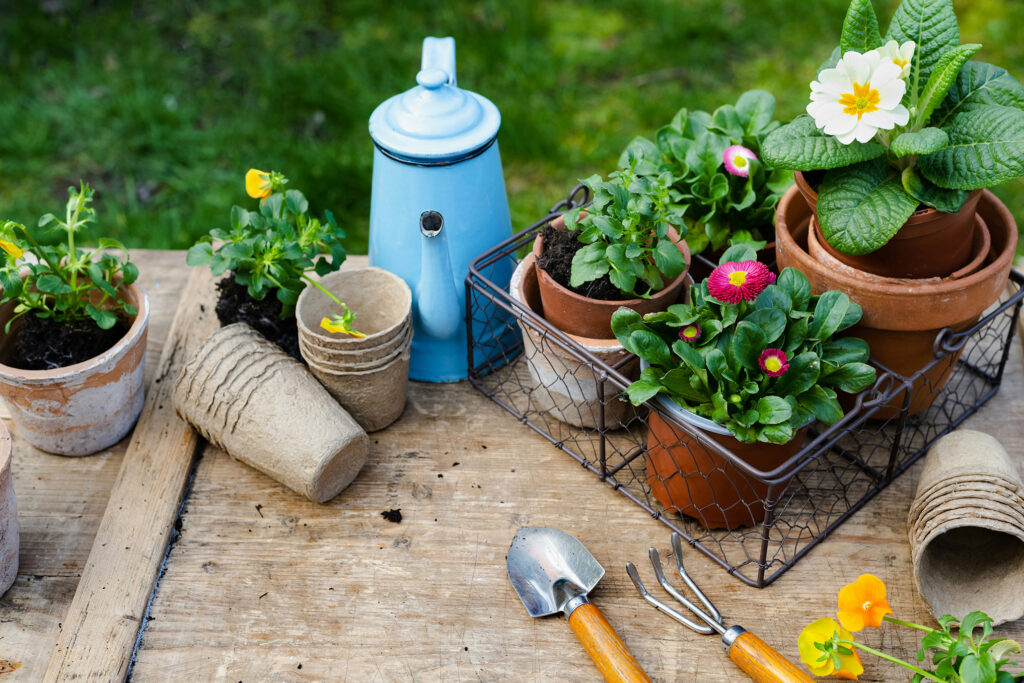
Nicole’s favorite gardening blogs
- Joe Gardener – Great short videos, organic gardening tips, and an excellent podcast.
- Pretty Purple Door – Wonderful beginner-friendly advice focused on four season garden design.
- Epic Gardening – Clear, practical content on edible gardening, soil, compost, and plant troubleshooting.

YouTube channels that Nicole recommends
- CaliKim29 Garden & Home DIY
- Epic Gardening
- Gary Pilarchik (The Rusted Garden) – especially My First Vegetable Garden
- Huw Richards
- Sprout – Gardening Channel
- Garden Answer
- Charles Dowding
- MIgardener
- Roots and Refuge Farm
- The Middle Sized Garden
- P. Allen Smith
- Self Sufficient Me
- The Gardening Channel with James Prigioni
- Daisy Creek Farms with Jag Singh
Nicole’s favorite gardening podcast
- The Beginner’s Garden with Jill McSheehy
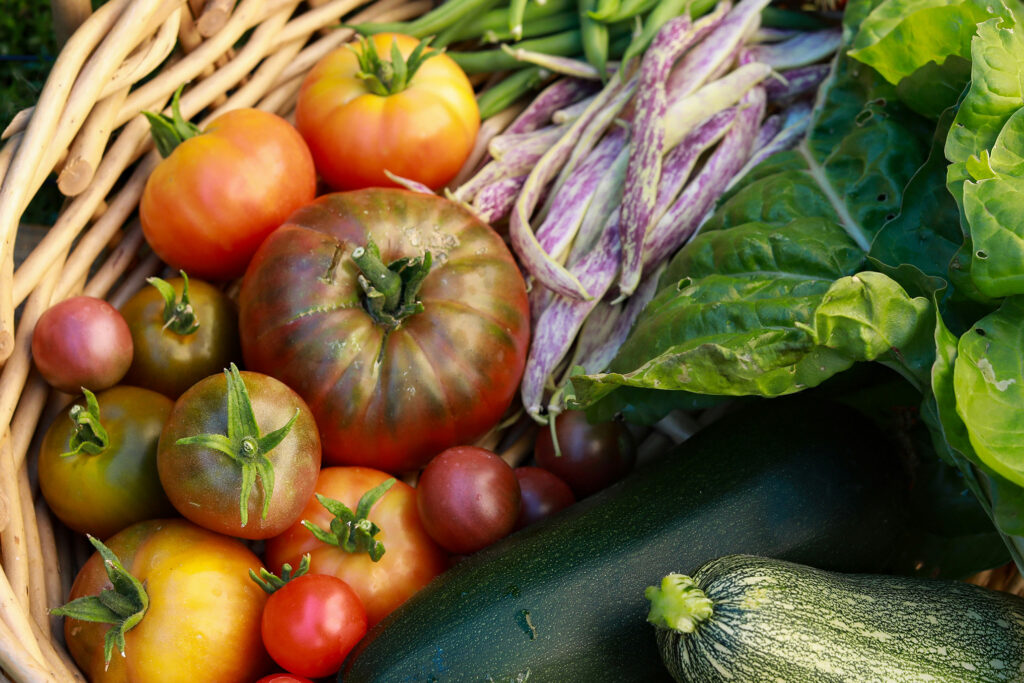
A first-year vegetable gardening plan
As Nicole described, gardening without a plan can be quite overwhelming. Having worked with many beginner gardeners, she has solid recommendations for what she believes is a great first-year garden.
In early spring, plant radishes (fast growers – many mature in approximately 30 days) and peas. Peas are easy to grow as long as there is support provided for climbing varieties.
Summer staples include sunflowers, tomatoes, peppers, and bush and pole beans. Sunflowers are a wonderful beginner flower and work well in succession planting every two weeks. When planting tomatoes, it’s important to understand the lingo – “determinates” means a concentrated harvest, where “indeterminates” have all summer production. Peppers are best started early, and Nicole recommends buying transplants if past the seed-starting window. Bush and pole beans are simple and bountiful, bush beans in particular are ideal for staggered planting.
Great beginner cool-season vegetables include kale and swiss chard. Kale is sweeter after the first frost and swiss chard is colorful, hardy, and heat tolerant.
There are many beginner-friendly herbs to add to a first-year garden. Nicole recommends planting chamomile, dill, chives, basil, parsley, and mint in containers, and buying starter plants for rosemary, lavender, oregano, and thyme.
Two vegetables that are still good for beginners but may require a little more disease and pest maintenance are squash and cucumbers. Even if the first round of these vegetables doesn’t go well, Nicole encourages that “you can always replant new plants midsummer for a fresh crop.”
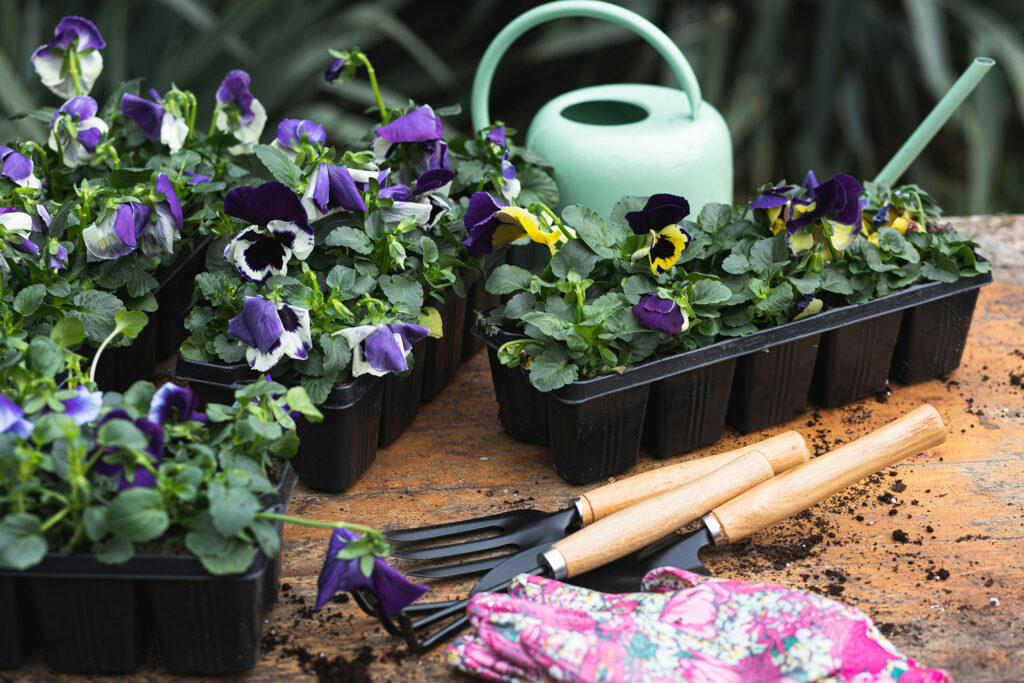
The basics of flower gardening
Gorgeous flower gardens may look whimsical and wild, but there is still a basic structure behind the beauty. Nicole advises to start with shrub structure in the back and then layer flowers in groupings of three, five, or seven. She likes to choose complementary palettes with a color wheel for maximum aesthetic. Make sure to place the taller flowers in the back and shorter flowers up front.
For low maintenance and high impact flowers with a long bloom, choose catmint, salvias, marigolds, and calendula. Nicole’s go-to summer annuals are zinnias, lantana, petunias, snapdragons and pansies.
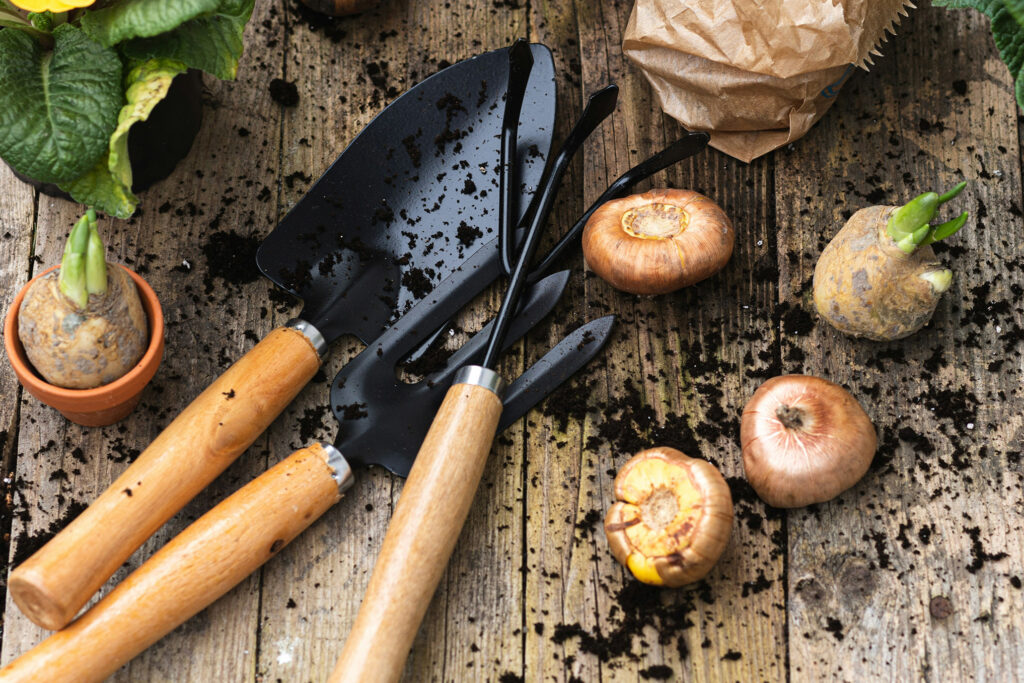
Gardening tools worthy of splurging (or thrifting!)
A beginner gardener may hesitate to buy too many new tools and gadgets, but there are a few necessities.
“If I could pick just four high value tools for beginners, I would choose a hand trowel, pruning shears, high-quality garden gloves, and a shovel,” Nicole said.
If there is a bit more wiggle room in the gardening budget, a hand weeder, collapsible garden bench or a kneeling pad, nice plant labels, a water timer, and a wheelbarrow are worthy of honorable mention, in Nicole’s opinion.
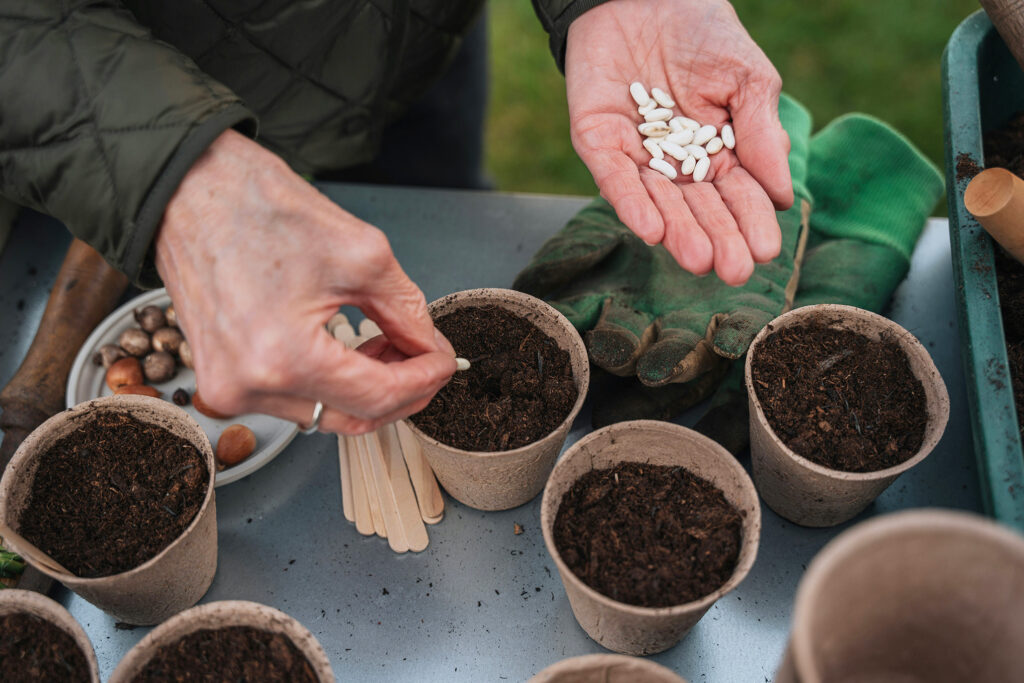
Where to shop for supplies and seeds?
Among big box stores, local nurseries, and the ever-extensive seed catalogs, there is no shortage of options for buying plants, seeds, and gardening supplies. Nicole said there are pros and cons to each option, and each gardener will have to find their sweet spot.
The pros of big box stores are their affordability and convenience, yet Nicole noted that “they may have limited varieties, inconsistent plant care, and not always regionally appropriate.”
“Local nurseries will boast better plant health, expert staff, and have a wide selection of region specific varieties, however, the plants can be more expensive,” she added. Seed catalogs have a large variety and are affordable but as many seeds must be started before frost dates using a seed catalog requires careful preplanning.
Nicole’s favorite place to shop for gardening supplies is Gardeners.com, Baker Creek Heirloom Seeds, and Prairie Nursery for native plants and seeds.
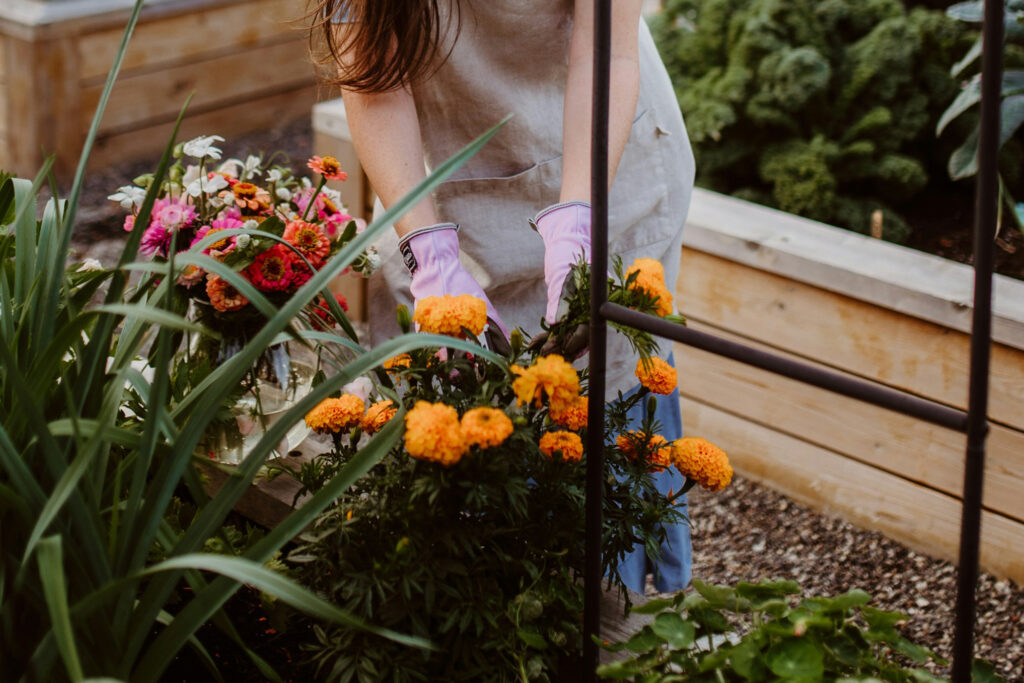
A realistic picture of day-to-day gardening
Upkeep is an important factor when planning out a garden. The level of maintenance depends on what is growing in the garden. For a lower-maintenance garden, focus on flower gardening with perennials and native plants. A high maintenance garden will have vegetables that require check-ins at least twice a week for weeding, pruning, pest management, harvesting, and watering.
Nicole advises setting yourself up for success by: using raised beds to reduce weeding; place newspaper or cardboard under the soil and mulch for weed suppression; and to water slowly and deeply at the plant’s base instead of frequent and shallow watering.
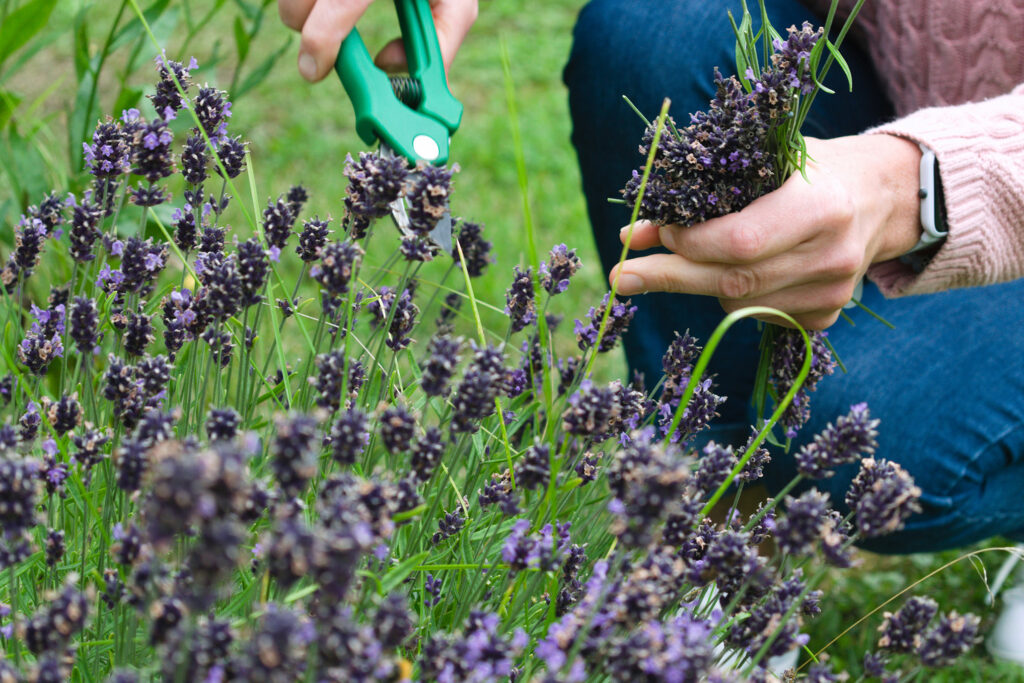
Nicole’s gardening routine
Wonder how a master gardener does it?
“I divide my garden into zones and focus on one zone every two to three days,” Nicole explained. In each zone she weeds, waters deeply, monitors pests, and, if necessary, stakes plants for support as they grow.
“The best time to garden is early morning — but realistically, I work whenever I can,” Nicole said.
With an arsenal of resources and tips, it’s gardening time. Planting a garden takes patience, fortitude, and faith that a small seed will produce abundantly with proper care. It is a gift from God that we live in a beautiful world in which we can sow and harvest the fruits of the earth for our nourishment and enjoyment.
Related Posts

Master the heroic minute
By Grace Porto

Subtle science of stacking jewelry
By Ava Cilento

Catholic accessories for back-to-school
By Rose Church

5 reasons you should take your kids to the library — and how to do it!
By Brittany Makely