World of wonder: Why you should stay curious
Published on March 26, 2026
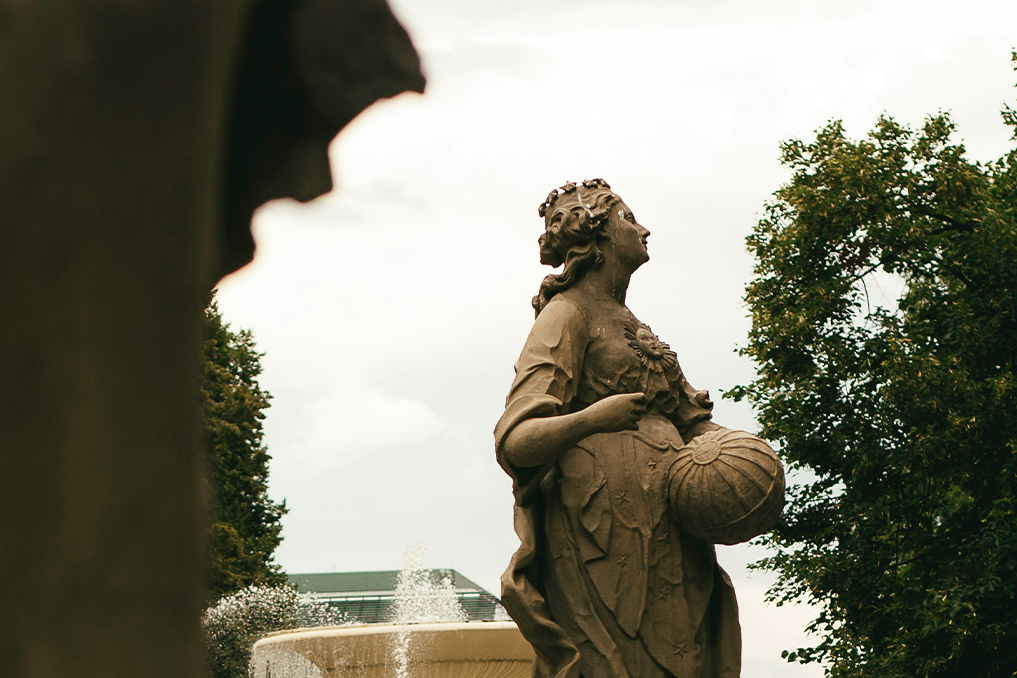
Life can very easily become boring. The sun rises, the sun sets. We set our focus to the tasks before us and keep trudging along. If you’re a new mom, your life consists of feeding the baby, rocking the baby, changing the baby. If you work a nine-to-five, your life consists of work, home, work, home, repeat. It can be very easy to lose the lovely to the mundane.
The rhythms and routines of life can pull you away from the moments and experiences that make life worth living. So how do we ensure that life retains its beauty? Or rather, how do we ensure that we notice the beauty that already exists in our lives? How do we foster wonder?
Michael de Montaigne may have our answer.
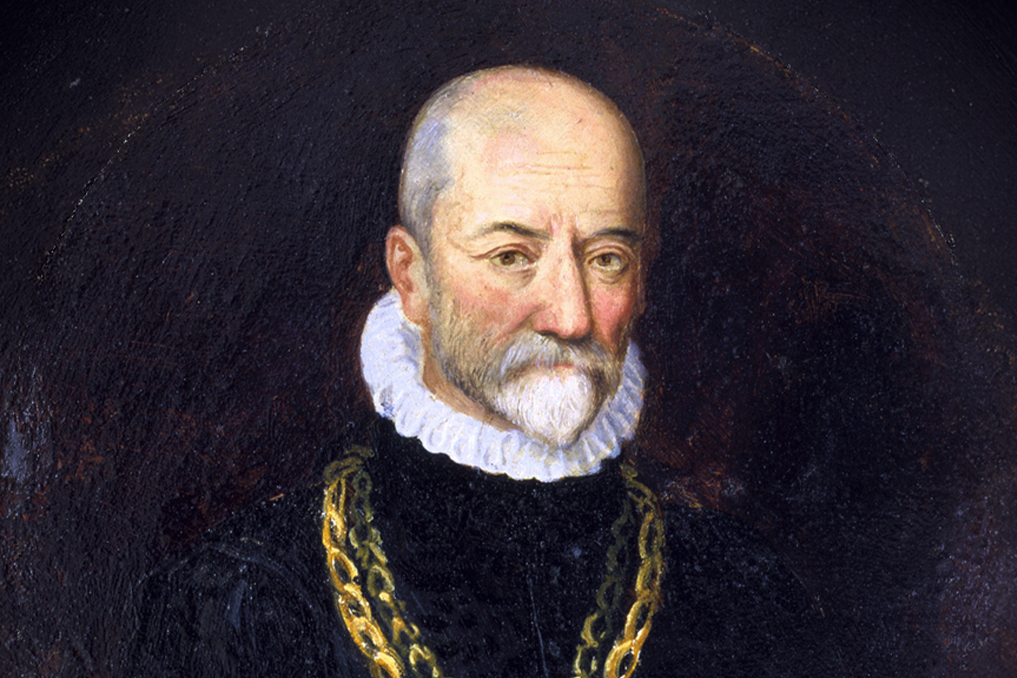
Who is Montaigne?
Micheal de Montaigne lived in France in the 16th century. Raised by an academically enthusiastic father, he spoke solely Latin during his early years, not learning his country’s language until he was 6 years old. He contributed to the politics of his native Bordeaux region and grew remarkable wine-grapes on his family’s land. Yet, most of his time was dedicated to writing.
And write he did. The discovery of the New World, the Calvinistic Reformation, and the subsequent Wars of Religion gave Montaigne much to write about. Yet he also wrote about cannibals, thumbs, names, sleep, idleness, smells, friendship, and many other topics. His preferred genre was the essay. In fact, Montaigne is widely considered the father of the essay, and it is his mastery of this writing form which qualifies him to advise us on the art of wonder.
The essay
I’m sure for many of you the word “essay” brings visions of classrooms and desks to mind. Perhaps you are shuddering in horror at the thought of topic sentences and thesis statements. Your horror is not unfounded. However, for Montaigne the essay had far less weight behind it.
The word “essay” comes from the French “essai” or “assay” which means “to try” or “an attempt.” To write an essay, therefore, is to make an attempt at something. In Montaigne’s case, he attempted all sorts of things, without the need for topic or concluding sentences. Reading his essays often feels like having a conversation with a particularly wise and well-read friend, rather than a formal document to be handed in.
You are probably wondering what this has to do with wonder.

The foundation of philosophy
Montaigne’s essays are an exercise in wonder. He chooses a topic that intrigues him, wonders about it on the page, and often ends with no more real factual information than where he started — simply an attempt to understand and a success in wonder.
As children, we are curious about the world: Why is the sky blue? Where does the wind come from? How deep is this rain puddle? Sometimes we find answers in books or from a knowledgeable adult in our lives, but other times we are simply left to wonder and attempt to come up with an answer on our own.
Now however, we are so used to receiving answers via technology, that we have forgotten the joy of simply wondering without needing an answer.
Montaigne writes that, “Wonder is the foundation of all philosophy, inquiry its way of advancing, and ignorance its end.” What he means by this, I believe, is that not only is the intense academic discipline of philosophy upheld by wonder (which it is) but also that the philia sophia, the love of wisdom, comes from wonder — comes from attempting. We are ignorant and wonder, we wonder and inquire, we make an attempt, we discover how much we do not know, and then we wonder once more.
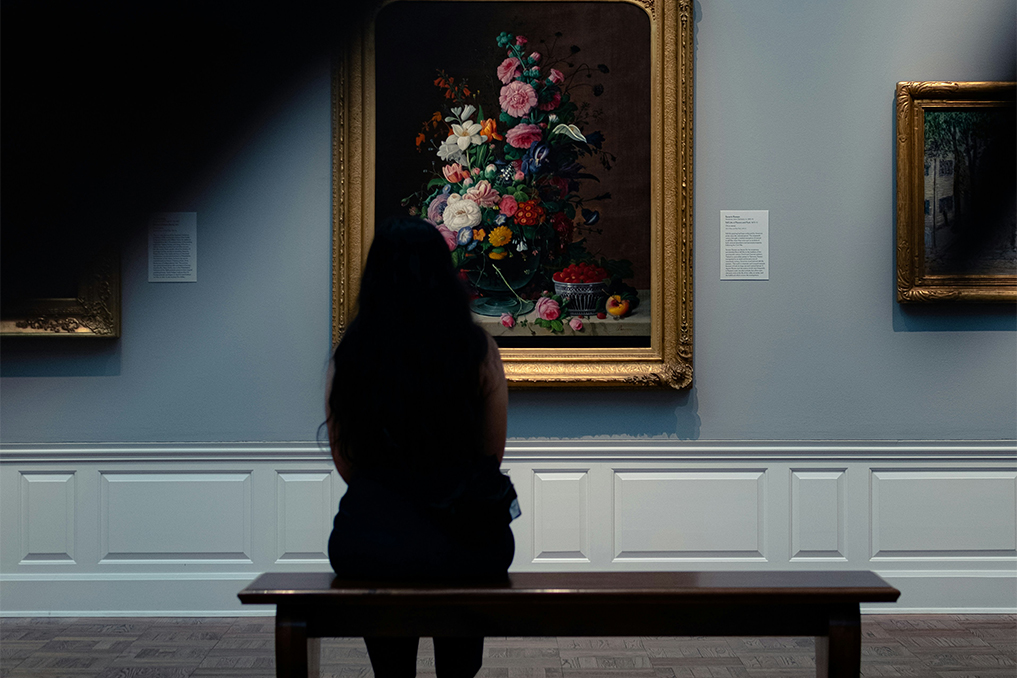
Wonder makes us wise
Now, this doesn’t mean that you should get rid of Google altogether, or stop using helpful resources to find the answers to things. It does however, mean that occasionally you can give Google a break and simply wonder. What is the capital of Uzbekistan? What is that particular shade of pink called? What is the most popular dessert in Japan?
I don’t know. But I wonder.
This method means that you may not know more than you did before. You may not have more facts memorized. But, dear reader, wonder is not about knowing boring lifeless facts which will simply become one more step in the mundane routine of your life. Wonder — making an attempt — will make you a more thoughtful person, and a lover of wisdom. And that’s definitely worth trying.
Related Posts
7 Self-help books that actually grow virtue
By Ava Cilento

Elegant & easy French-inspired Easter brunch menu
By Calista Boskus

Easter outfits for the whole family
By Jessica Nardi
3 delicious desserts for your Easter spread
By Lindsey Fedyk