The most healing hobbies: Why your grandmother’s pastimes might save your winter
Published on January 21, 2026
By now, most of the internet has heard about Emilie Kiser’s personal tragedy. The influencer known for very happy and joyful family content faced every parents’ worst nightmare earlier this year when her son Trigg died in a drowning accident. She shared that she would pause the family-focused content since her family needs privacy and instead, she started creating content about what I would call the most healing hobbies.
Science agrees. While hobbies alone won’t take away pain, data shows that hobbies have an incredibly positive impact on our mental health. Even if you are not facing a tragedy like Emilie’s, cultivating hobbies can boost your mental and emotional health, and these colder months are the perfect time to dive into them.
There’s something about slowing down during winter that brings a subtle invitation to nurture the inner world we’ve ignored during the more hectic months. Whether you are facing the meteorological winter or an emotional one, diving into the hobbies we tend to associate with our grandmothers — knitting, baking bread, fiddling with watercolors, reading — will inevitably bring sunlight to our inner lives.
Recent research has confirmed what we may have instinctively known for generations: People who engage in hobbies consistently report better mental health. It is even suggested that people with hobbies report better mental health than those who spend the same amount of time in formal talk therapy. It’s important to note that this comparison does not include people who have particular conditions that require talk-therapy and is based on the average mentally healthy person. Doing something with your hands creates a deeper sense of agency and emotional grounding.
In fact, a 2023 international study of over 93,000 adults found that people with regular hobbies experienced higher life satisfaction, lower depression, and better psychological resilience than those without. Even after adjusting for wealth, health status, and social support, the pattern held. Hobbies aren’t just for fun fluff, they’re nourishment.
This isn’t a new revelation. For most of human history, long before mental health became a clinical specialty, people relied on crafts, creativity, nature, movement, and community as core ways of coping with grief, disappointment, loneliness, and the small heartbreaks that accumulate over a lifetime. The idea that human beings need leisure, creativity, and tactile engagement is not modern — it’s ancient. We are only now catching up to what our ancestors understood intuitively: The hands often heal what the mind cannot reach.
This winter is the perfect time to rediscover that truth and explore the most healing hobbies.

The science: What hobbies actually do to the mind and body
Psychologists have been trying for decades to understand why hobbies have such profound effects on mental health, and the answer lies at the crossroads of biology, neuroscience, and emotional regulation. Here’s what hobbies do to us.
Lower stress hormones predictably and measurably
One study observing adults during art-making found that their cortisol levels dropped significantly, even when the participants insisted they were “not artistic.” Something about tactile creativity helps the nervous system exhale. Whether it’s painting, floral arranging, pottery, or scrapbooking, the brain shifts out of stress mode and into a more grounded, nourished state.
Create flow states
Flow is that magical feeling where time dissolves and you become fully immersed in what you’re doing. It’s psychologically protective: People in flow report reduced anxiety, lower rumination, and increased self-esteem. Many hobbies such as drawing, learning a musical instrument, cooking elaborate recipes, crocheting, journaling, all naturally induce flow.
Restore agency
A lot of emotional suffering comes from feeling powerless. Hobbies give you small, daily wins: Finishing a scarf, baking a loaf of sourdough, editing a cute video vlog, organizing a bathroom drawer. The accomplishment may be small, but the psychological effect is large. Looking at a kid wearing a sweater you knitted will always feel different than if it was bought.
Sharpen focus and regulate mood
Hobbies that require attention to detail (like embroidery, woodworking, puzzle-building, or handwriting practice) subtly train the brain to slow down and concentrate. Over time, these activities build emotional resilience because they strengthen the cognitive skills that help us cope under stress. It is also worth adding that the more we are able to focus on something for a long time, the more productive we’ll be when we are working or doing anything that requires us to be productive.
Foster community and connection
Book clubs, dance classes, writing groups, hiking meetups, church choirs — leisure activities naturally bring people together. Loneliness is one of the strongest predictors of poor mental health. A hobby can be a lifeline simply because it pulls you back into the world. Even if you are not signing up for a particular class, hosting people for a crafts evening can be more than enough socializing to fill your cup.
The importance of seeking joy
We often underestimate how stabilizing it is to work toward something that’s not tied to hustle culture or performance metrics. Hobbies return us to the art of doing things simply because they bring joy. Seeking joy in itself is incredibly healing and necessary, and that’s what hobbies are all about.
Before modern mental health treatment, hobbies were the medicine
If you look at old journals, letters, and records from the 1800s and early 1900s, you’ll find an interesting pattern: People turned to creative work, household tasks, nature, and leisure for emotional healing.
Women especially transformed hobbies into survival tools:
- They quilted through grief.
- They knitted through wartime uncertainty.
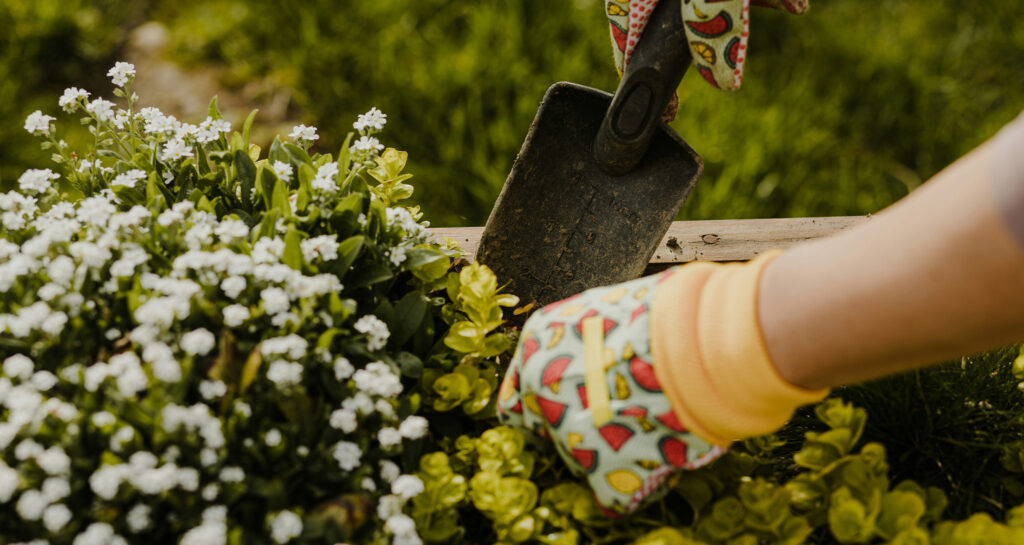
- They gardened through loneliness.
- They wrote letters and poetry to make sense of heartbreak.
- They baked and hosted to create warmth when the world felt cold.
The famous “rest and craft” therapies used in sanatoriums weren’t random. Doctors observed that patients who engaged in artistic or tactile work recovered faster. Art therapy, which emerged in the 1940s, wasn’t created by psychologists at first, but by patients themselves who discovered the calming power of sketching and painting during physical recovery. A great example of this discovery is the story of Dr. Patch Adams who encouraged patients to laugh and do art in order to heal.
Before we had definitions for anxiety or depression, people instinctively assigned emotional significance to hobbies. They knew something was restored when the hands and brains were busy creating beauty. We are not reinventing anything today, we’re returning to something that is more important than ever as screens creep into every corner of our lives.
Why we need healing hobbies more than ever
Modern life is overstimulating and under-nourishing. We are flooded with information but deprived of beauty. We are always connected but increasingly lonely. We are constantly consuming but rarely creating. In short, we are constantly distracted.
And our mental health suffers for it.
The rise of healing hobbies isn’t a quirky social media trend, it’s a cultural corrective. It’s a collective memory resurfacing: People remembering, at scale, that their bodies, minds, and spirits crave the unique joy that comes from simple things.
Things like:
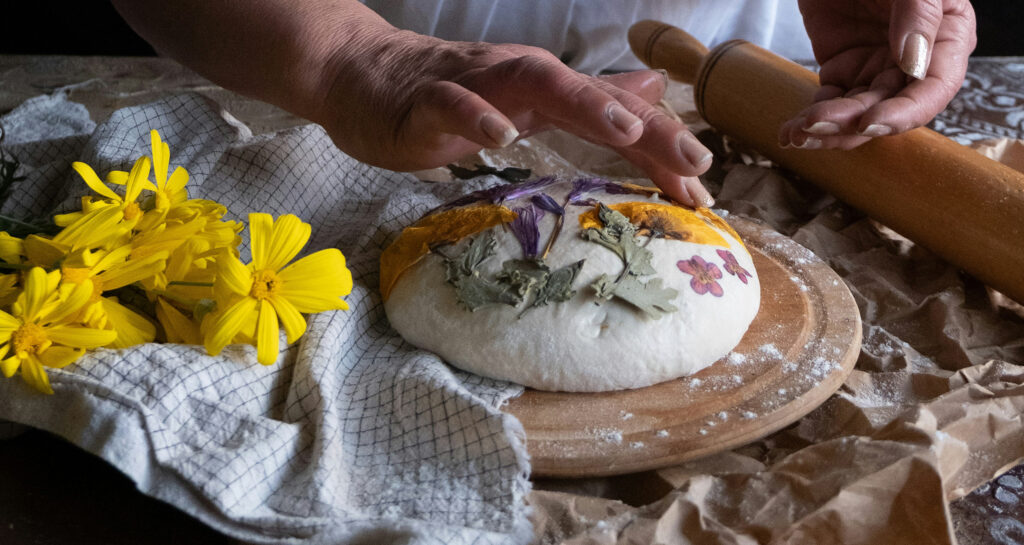
- Kneading dough
- Blending pastels
- Planting bulbs for spring
- Taking quiet evening walks
- Writing letters by hand
- Building something out of wood
- Making seasonal wreaths
- Curating a cozy home environment
These activities pull us out of the digital fog and back into our actual lives. They give the overstimulated nervous system a place to land.
And they help us process emotions that would otherwise stagnate.

Hobbies that heal the most
Here are some healing hobbies worth embracing this winter; especially if life feels heavy, chaotic, or emotionally overwhelming.
Needlepointing, knitting, and crocheting
The repetitive, gentle movement mimics the rhythm of deep breathing. Studies on rhythmic activities (like crocheting) show measurable reductions in rumination and anxiety.
Hand embroidery
It requires just enough focus to interrupt spiraling thoughts, but not enough to stress the brain.
Jigsaw puzzles
They activate “flow state” — a soothing cognitive absorption that steadies cortisol. This results in multiple benefits for overall cognitive skills, which consequently also result in healthy aging.
Origami
Precise, slow, clean. Almost like breathwork for your hands.
Cooking or baking from scratch
Baking bread, simmering soups, or making a recipe passed down from family restores a sense of competence and nourishment, which depression often strips away.
Scrapbooking or memory-keeping
Organizing photos and memories helps people reconstruct coherent emotional narratives, and this is a known protective factor against depression. It can help cope with trauma and even early dementia as it puts things in perspective and context.
Furniture flipping or home DIY
Seeing a visible, tangible change you created reinforces self-efficacy.
Pottery
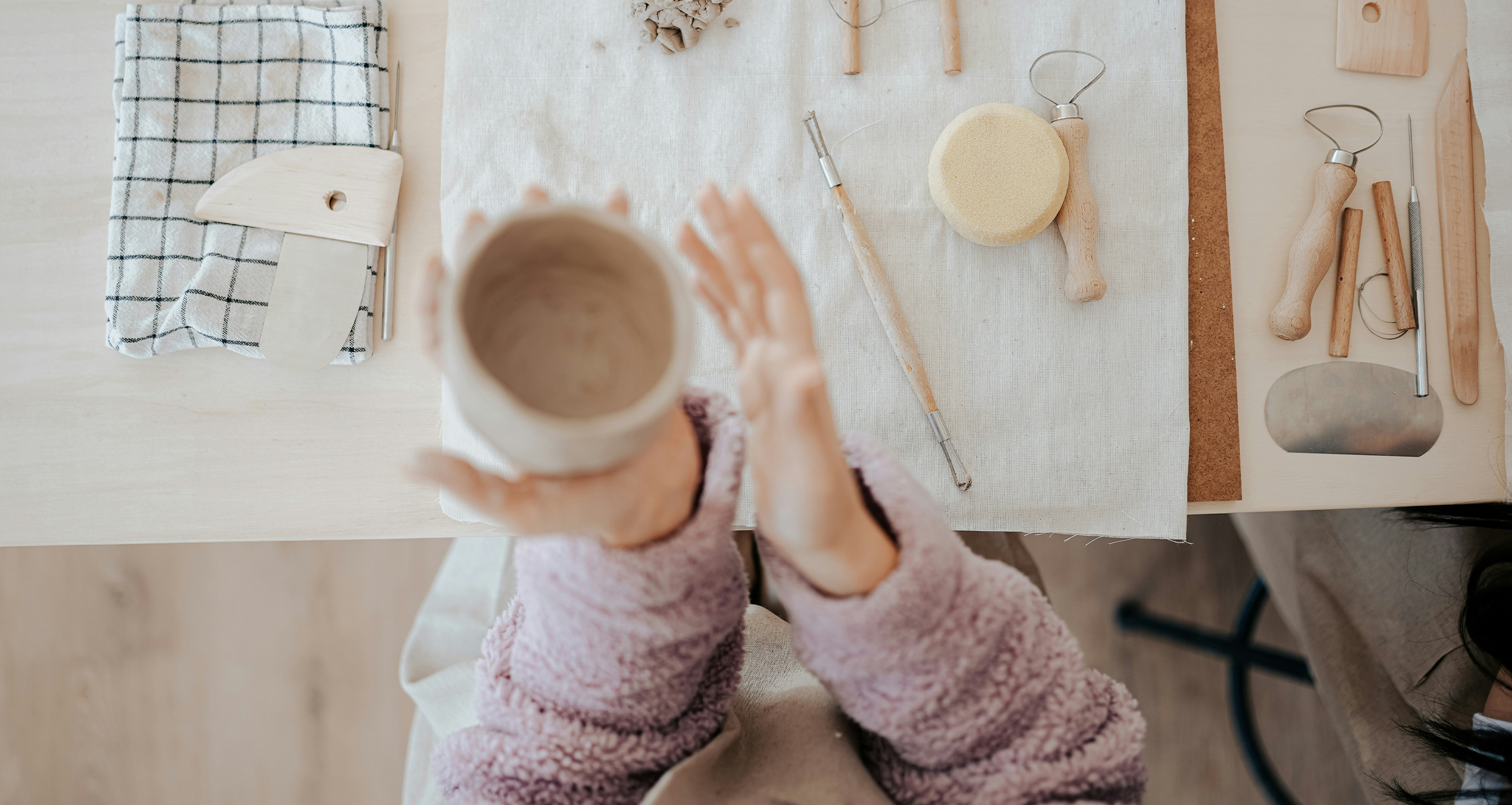
You literally reshape matter with your hands. It’s symbolic, grounding, and very relaxing.
Watercolor painting
Soft edges, no harsh lines, it’s all around soothing and expressive.
Soap making or candle making
Transforming raw materials into something comforting and with a scent, is very ritualistic and soothing during grief.
Flower arranging or foraging
Nature-based hobbies are clinically shown to reduce cortisol. Flower arranging is especially powerful during grief because it brings beauty into spaces that feel heavy.
Jewelry making
Wire wrapping, beadwork, or even designing your own small pieces.
Home styling / seasonal decorating
Curating a space heals the psyche by restoring order and beauty. In addition, inhabiting a beautiful room has a positive effect on your mental health.
Making perfumes
Smells can directly affect our mood, so getting into the craft of creating our own favorite fragrances can be incredibly stimulating, relaxing, and rewarding. Plus, it’s always nice to smell good and unlike any scent available in the market.
Stories like Emilie Kiser’s resonate not because grief can ever be “fixed,” but because they remind us that when life shatters, our hands often know what to do before our minds do. After the accidental death of her young son, Emilie gravitated toward creative hobbies. Not to erase her pain, but to carry it with more ease. It is not an escape from reality, but an honest attempt to keep going when life feels so grim. Her story simply echoes what countless people throughout history have done: Use beauty, craft, and ritual to metabolize the unthinkable when words fail.
There is a quiet wisdom in doing something with your hands. In a culture obsessed with optimization and self-analysis, hobbies offer a gentler form of healing. These activities are not frivolous or indulgent; they are medicine. Winter, with its natural slowness, is the perfect season to dive into some of them.
If you’re seeking emotional healing, instead of a 12-step plan or attempted reinvention, begin one quiet, enjoyable activity for 10 minutes a day. Let it become a ritual and let it relax you. Healing isn’t a momentary epiphany, it’s a practice. It’s something you do with your hands, mind, and time. And when you give yourself even a moment of that each day, you’ll feel it: The subtle shift, the softening, the steadiness returning. This winter, may you find a new hobby that brightens your mind and brings joy to your life.
Related Posts

The line that runs through every human heart
By Johanna Duncan


3 Lenten retreats that you can do at home
By Grace Porto
God created us.. we were made to create. Thank you for the article.