The line that runs through every human heart
Published on March 9, 2026
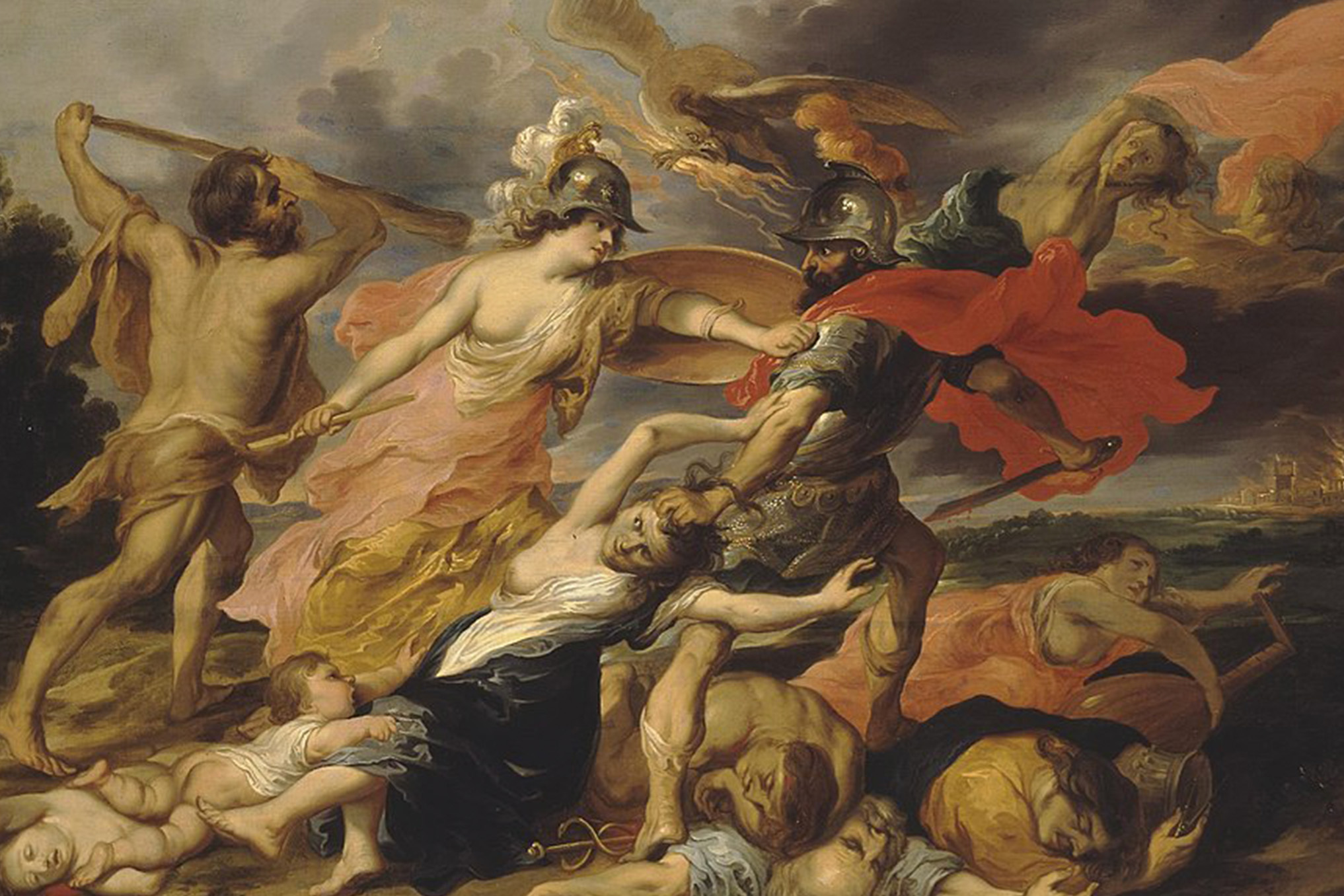
Early in life, the attraction to the age-old cops and robbers imaginative play draws children across the world to begin processing one of life’s most basic but intense realities, finding the line between good and evil. While the game makes the distinction between good and evil simple, even playful, that distinction is far less amusing to witness (or inhabit) as an adult. Evil rots. And like any rot, even when it remains unseen, even when its source is unclear, the senses still register the stench.
Despite living in a world fluent in condemnation and familiar with the smell of rot, we remain strangely inarticulate about the soul. Evil is referenced widely and often attached to ideologies, political parties, and people. Yet evil is rarely truly examined at its source. In times of war and political fracture, moral certainty becomes a kind of shelter. To know who is good and who is evil feels stabilizing, even virtuous. We stand on the right side. They do not. But the clarity we cling to so fiercely has grown thin and brittle, unable to bear the weight we ask of it. The clarity of black and white distinctions has been blurred into a messy grey.

The human heart: The real battlefield
It is here, amid this exhaustion of moral language, that Aleksandr Solzhenitsyn’s most famous line from the Gulag Archipelago cuts through the confusion: “The line dividing good and evil cuts through the heart of every human being.” This reality does not flatter our instincts or reward our loyalties. It disregards our desire for moral superiority, dismantles our preferred narratives and relocates the drama of good and evil somewhere deeply inconvenient — within ourselves. The battlefield, Solzhenitsyn suggests, is not primarily out there. It is inside each one of us.
This way of seeing belongs to an older moral tradition, one we have largely forgotten. Dostoevsky understood it when he wrote that hell is the suffering of being unable to love (Brother’s Karamazov). Solzhenitsyn, writing from the Soviet gulags, understood this reality not as theory but as a personal experience. He had watched ordinary people participate in cruelty, not because they loved or desired evil but because they had learned to justify it. They got used to and accepted the stench.
What unsettled him most was not the existence of evil systems but the ease with which the human heart adapts to them. Evil, he observed, rarely presents itself as such. It arrives disguised as necessity, progress, loyalty, even empathy and virtue. It recruits those who believe they are doing good, and who therefore feel absolved from examining themselves. Often, the evil itself is justified as a means toward something genuinely good.
This insight sits uneasily with our instincts. We prefer evil to be external, locatable, removable, easy to point to. We want it to belong to regimes and movements, not to ourselves. We like to think of ourselves as good people, capable of distinguishing good from bad. Moral life, as we now imagine it, is largely a matter of alignment: holding the correct views, standing with the right people, opposing the proper enemies. Moral character formation, acquired through trials and often pain, has been replaced by performance. We lean on pride and self-righteousness over humility and the effort required for self-examination.
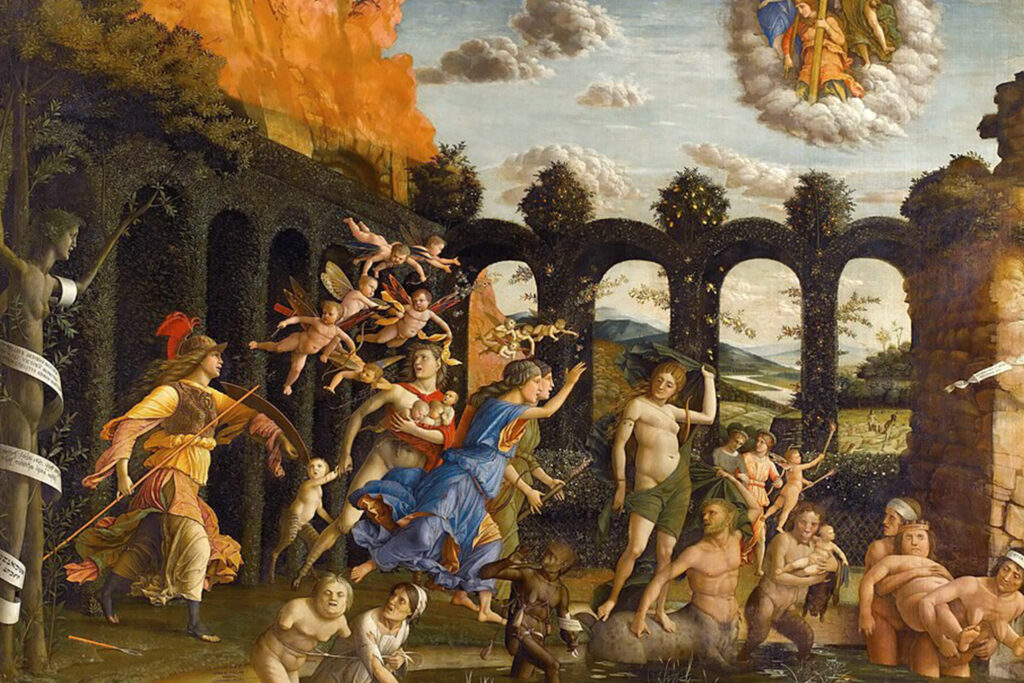
Moral seriousness
History does not flatter this pattern. The great moral catastrophes of the modern world were not carried out by people who believed themselves to be wicked. They were carried out by people who believed they and their actions were morally awakened, historically necessary, or that they were defending something sacred. Dostoevsky’s novels depict this danger clearly: Once man believes himself justified, he becomes capable of almost anything. Solzhenitsyn’s refusal to divide the world neatly into villains and heroes was not moral confusion, it was moral seriousness.
To say that the line between good and evil runs through every human heart is not to deny the reality of injustice or the need for resistance. It is to insist that no cause, however noble, can substitute for virtue. That no ideology can absolve a person from the responsibility of guarding their conscience. Evil does not need monsters, Solzhenitsyn reminds us, it needs people’s permission.
This is the part of his vision we resist most. We would rather evil be something done by others. Something we can oppose without implicating ourselves. But Solzhenitsyn asks us to consider a far more unsettling possibility: that the same heart capable of compassion is capable of cruelty; that the same longing for justice can, untended, curdle into resentment. The problem is not that the line exists but that we forget it does.
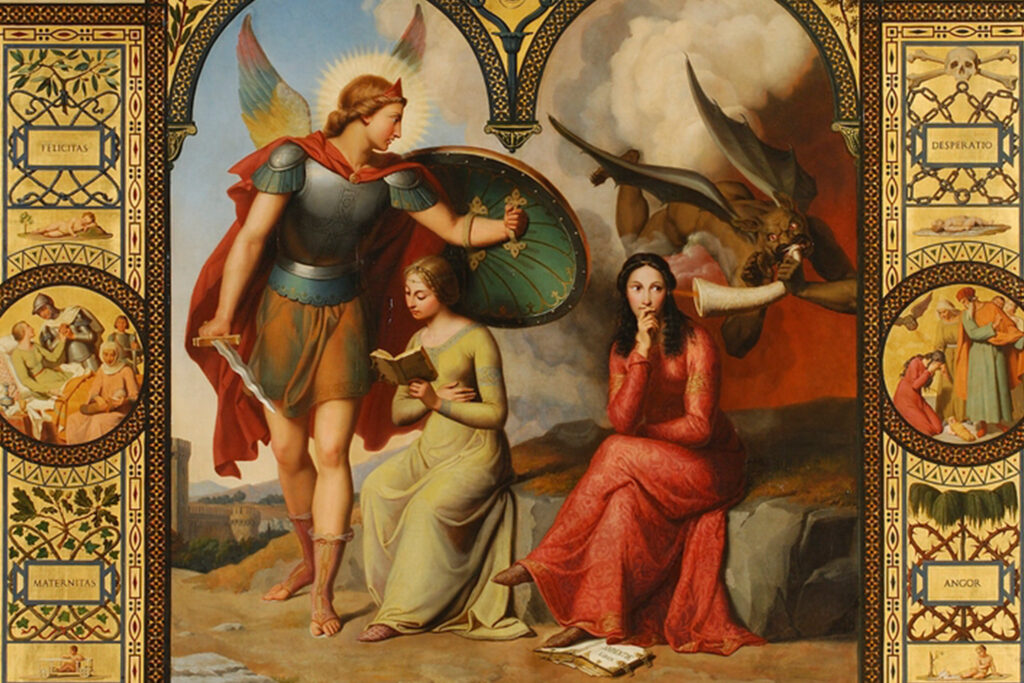
Evil hollows out our humanity
The greatest danger of evil’s force is not merely what it does to its victims, but what it does to those who wield it. It hollows them out. It trains them to stop seeing persons and to see only obstacles or symbols. This, too, is what happens when moral certainty replaces moral vigilance. We cease to ask what our actions are doing to us, what they are forming within our character. We slowly drink up the poison.
The modern world has little patience (and perhaps humility) for this kind of introspection. And yet, choosing the good has never been a matter of expediency. It has always required attention. Attention to motives, to language, to the quiet workings of the heart.

Heroic restraint
What does this look like now, in practical terms? It rarely looks heroic. More often, it looks like restraint. It looks like refusing to dehumanize, even when anger feels justified. It looks like telling the truth without cruelty, resisting the intoxicating pleasure of humiliation. It looks like guarding one’s speech, one’s attention, one’s capacity for mercy in an environment that profits from their erosion.
In an age of moral performance, this kind of goodness can feel almost invisible. It does not announce itself. It does not trend. And yet it is precisely this quiet moral labor — the daily, unglamorous work of formation — that makes any larger good possible. Without it, our ideals harden into justifications, and our certainty becomes a kind of blindness.
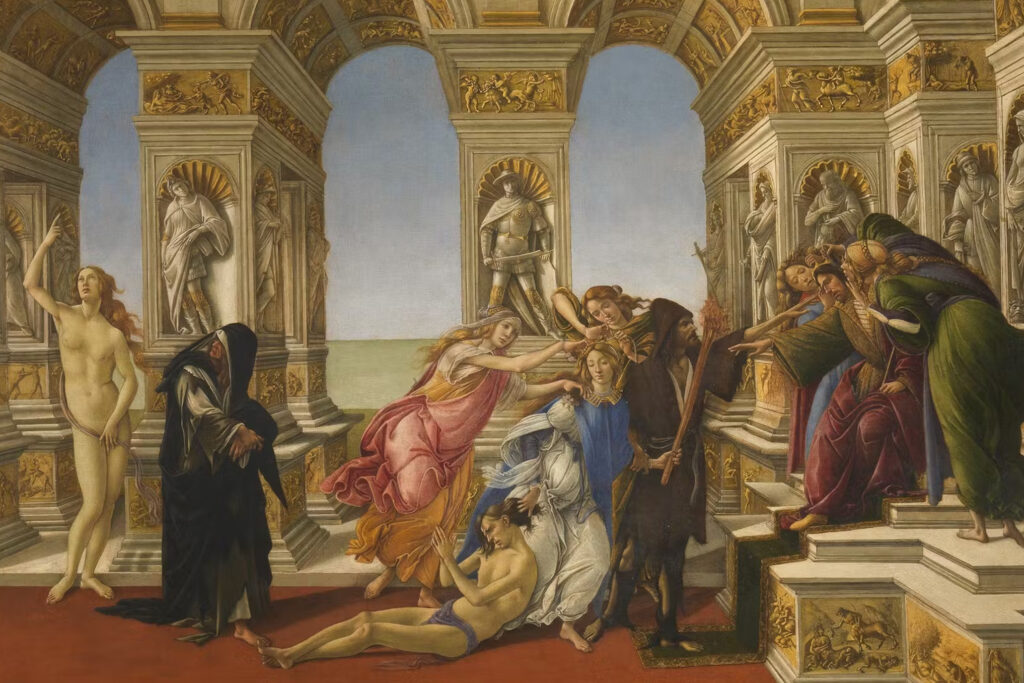
Redeeming culture through the interior life
Solzhenitsyn understood that the fate of societies is inseparable from the interior life of persons. Political systems matter, but they cannot redeem a culture that has lost the ability to speak honestly about the human heart. When we forget our own capacity for evil, we become incapable of recognizing it when it wears familiar faces or speaks in our own voice.
Solzhenitsyn does not leave us with despair. He leaves us with responsibility. If the line between good and evil runs through every human heart, then moral life cannot be outsourced. It cannot be delegated to institutions or reduced to slogans. It must be lived slowly, imperfectly, with humility and courage.
This vision is unfashionable. It offers no easy (or obvious) heroes, no permanent innocence, no refuge in abstraction. But it offers something far more enduring: the possibility of remaining good and human in a world that constantly tempts us not to be.
We may not be able to end wars or heal political divisions as individuals. But we can refuse to let evil pass unexamined through our own hearts. The line has already been drawn. It does not run between nations or parties or ideologies. It runs through us and what we choose to do there may be the most consequential moral act of all.
Related Posts



3 Lenten retreats that you can do at home
By Grace Porto

What handbag do I bring to this?
By Jessica Nardi
挺不错的样子嘛!