How to carry out your own inner spring cleaning
Published on May 2, 2026
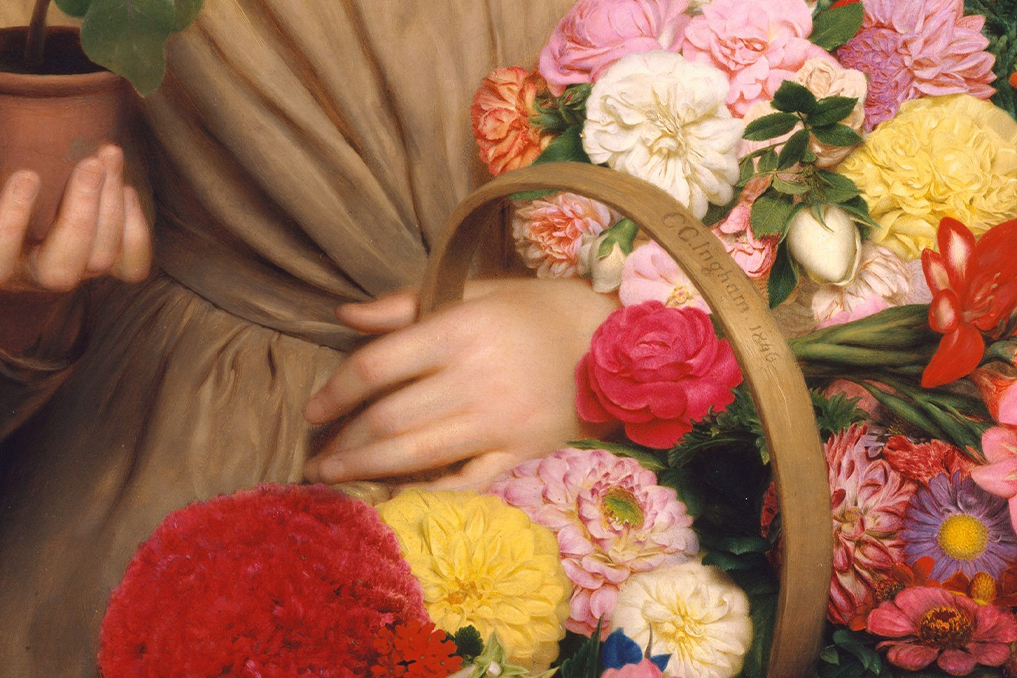
Something about spring makes us want to clear space and start fresh. But while we are busy scrubbing countertops and reorganizing our homes, most of us overlook the one place that probably needs cleaning the most — our inner lives.
We all know the feeling of physical clutter. A room feels cramped when it’s full of things we no longer need, even if we’ve learned to ignore them. Emotional and spiritual clutter likewise quietly accumulate until it begins to affect how we think and live. Resentments we never resolved, guilt we never faced, and habits we know aren’t good for us pile up over time. Because we’re busy, we often move around these things instead of dealing with them.
Eventually, the space they take up in our lives steals the place that belongs to joy. Spring coincides with a liturgical season that invites reflection. For centuries, Lent has been dedicated to repentance, prayer, and renewal. It invites us to a spiritual reset, a time to examine the heart and clear out what doesn’t belong there.
Whether it is resentment, regret, or energy-draining habits, the good news is that inner clutter can be cleared just like physical clutter. It doesn’t require perfection or dramatic life changes. It simply begins with honesty and a willingness to look inward. If spring inspires us to open the windows and freshen our homes, it can also be a chance to open and refresh our hearts.

Step one: Take an honest inventory
The process, perhaps uncomfortable at first, begins with taking an honest inventory of what’s actually there. Before you can clean a room, you have to see what’s inside it. Anyone who has ever emptied a closet knows the moment when everything is piled on the floor and you realize how much you’ve accumulated. It’s a process of both rediscovering and letting go.
The same thing happens when we pause long enough to examine our inner lives. Thoughts we’ve pushed aside begin to surface. We start noticing patterns we hadn’t fully acknowledged before. Reflection simply means turning on the lights so we can see clearly. This kind of self-inventory requires courage because it asks questions most of us would rather avoid.
What resentment have I been holding onto longer than I should? Is there someone I need to forgive or someone I need to ask forgiveness from? Are my daily habits actually making my life better, or quietly draining my peace? Am I living according to my values, or drifting away from them? These questions are not meant to condemn us but to bring clarity.
Writing things down can be helpful during this stage. Journaling or doing mind maps forces vague thoughts into concrete words, which makes it harder to ignore what we see. Many people discover that the things bothering them most are not dramatic crises but small unresolved tensions that have been lingering for years.

Step two: Let go of old resentments
One of the most common forms of emotional clutter is resentment. Nearly everyone carries at least one lingering grudge that has quietly followed them for years. Sometimes it is not even about the grudge itself, but about our own patterns. Is our own perfectionism ruining our relationships with ourselves and others? Maybe a sibling said something cutting during an argument, or a friend slowly drifted away without explanation. Maybe someone betrayed your trust, leaving a scar you never fully processed.
Instead of addressing the hurt, we often pack it away and keep moving. We distract ourselves with things that feel productive (or not). But resentment has a way of lingering long after the moment that created it. Holding onto resentment is a little like keeping broken furniture in the middle of your living room. It may no longer serve any purpose, but it still takes up space.
Over time, it begins shaping how we think about other people and even ourselves. It can make us cynical, guarded, or suspicious. Forgiveness does not mean pretending the hurt never happened. It simply means choosing not to keep carrying the weight of it forever.

Step three: Examine the habits that drain you
Not all inner clutter comes from other people. Some of it comes from habits we slowly build without realizing their effect on us. Modern life is full of routines that quietly drain our attention and peace. Endless scrolling, being constantly accessible through our phones, and the pressure to always stay busy can create a low-grade sense of exhaustion.
Because these habits are so common, we rarely question them. They simply become part of the background noise of daily life. One helpful exercise at the end of the day is to ask, what made me feel more alive today, and what made me feel drained?
The answer can be revealing. Maybe you notice that time spent outside or talking with a friend leaves you energized. Maybe an hour on social media leaves you feeling strangely empty. Small realizations like this help you begin replacing draining habits with nourishing ones.

Step four: Rediscover the power of repentance
There is another part of inner cleaning that modern culture tends to avoid entirely. Repentance may sound heavy, but its meaning is actually hopeful. To repent simply means to lay down, turn around, and change direction.
Every human being makes mistakes. We say things we regret, neglect relationships that matter, and sometimes act in ways that conflict with our values. Pretending otherwise does not make us virtuous. It simply prevents us from growing.
Honest repentance allows us to acknowledge what went wrong and choose a better path forward. Strangely enough, this kind of honesty often brings deep relief. Historically, this was one of the central purposes of Lent. The season encouraged people to examine their hearts, confess their shortcomings, and prepare for renewal.

1746
Step five: Rebuild what nourishes your life
Once the clutter has been cleared, something remarkable happens. Space opens up for the things that truly nourish us — meaningful friendships, time in nature, prayer or meditation, creative work, and purposeful routines often top the list.
These experiences bring a sense of grounding that constant distraction never allows. Yet they require the discipline of creating intentional space in our lives. Spring is the perfect moment to rebuild those priorities. Maybe that means reviving a morning ritual of quiet reflection. Maybe it means reaching out to a friend you haven’t spoken to in months. Maybe it means simply slowing down enough to enjoy ordinary moments again. Going back to those micro habits that hold the macros in our lives. The goal is not to overhaul your life overnight. It is simply to move a little closer to the life you want to live.

1870–1885
The real meaning of renewal
This is ultimately why spring cleaning feels so satisfying. It reminds us that renewal is always possible.
Sometimes the most important spring cleaning doesn’t involve a mop or a vacuum. It starts with the decision to examine your heart honestly. It continues when you let go of the things that no longer belong there. Because the real promise of spring — and of Easter — is not just that the world becomes new again. It is that we can, too.
Related Posts



Travel is not an escape, but a return to self
By Rosie Hall

Best dump dinners for busy nights
By Jessica Nardi