Evaluating your online shopping
Published on January 1, 2026
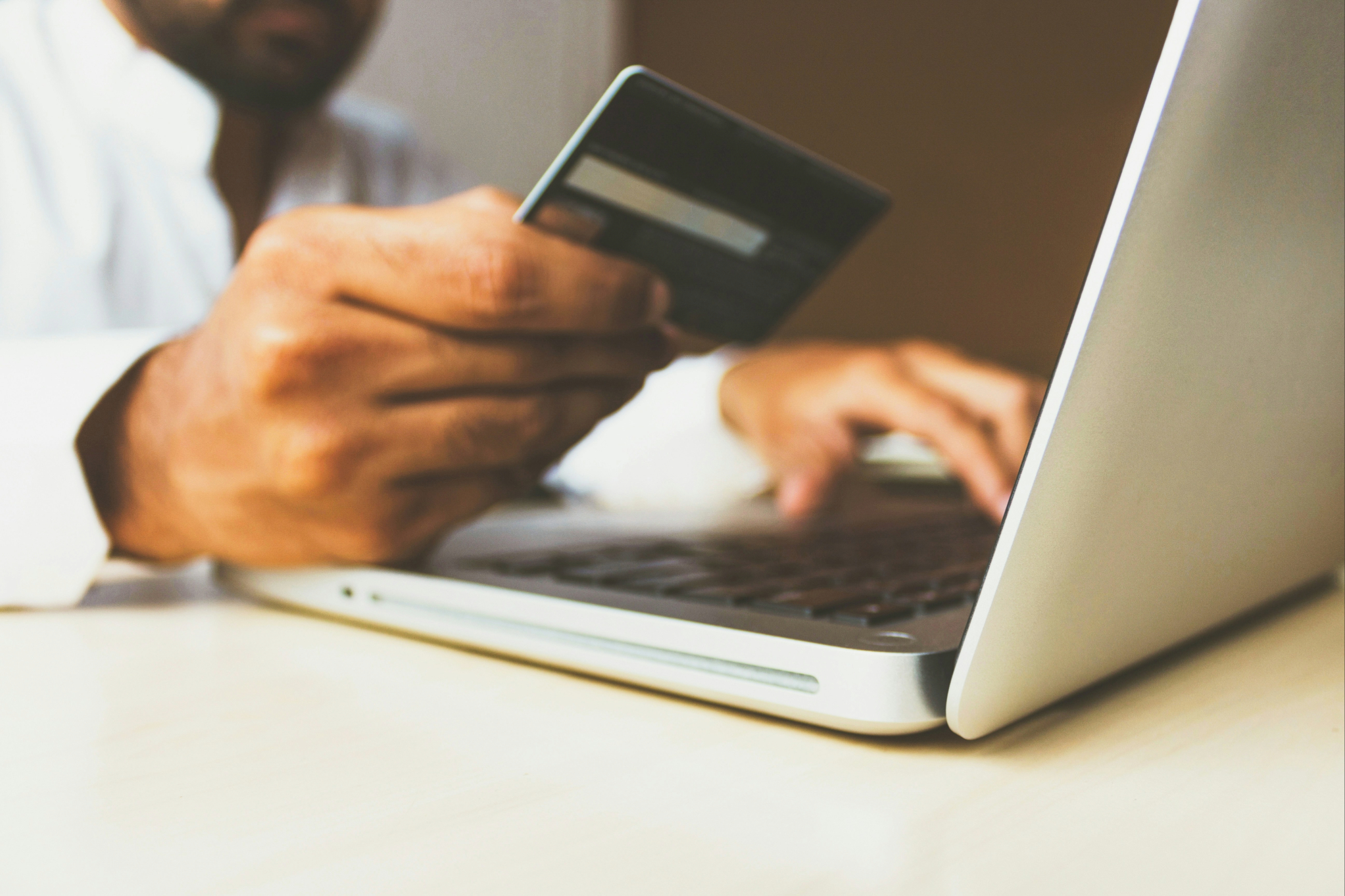
There is a unique excitement that comes from holding a new outfit in your hands that you had only envisioned on a glowing screen. While harmless in many ways, the attraction to the online shopping rush may be causing a lot more harm than you realize.
The truth we rarely admit about online shopping is that it feels good at the moment but not so good in retrospect. Advertising and the digital shopping experience are engineered to make your brain light up — bright colors, one-click checkout, the satisfying speed of a swipe, the instant little high that comes from imagining a package already on its way to you. It’s not a moral failure that your brain likes this. It simply means you’re human. But when we rely on those micro-highs to manage stress, boredom, loneliness, or even celebration, the habit grows louder, hungrier, and harder to ignore.
The dopamine addiction
Like all addictions — mild or severe — it starts quietly and then builds its own momentum. Without your noticing, it starts draining you emotionally, financially, creatively.
Part of why online shopping becomes so addictive is because it offers a perfect dopamine loop. You get a hit from the scroll, another from adding something to your cart, another from clicking “purchase,” another from the confirmation email, an extra one when you say “I deserve this,” another when the package ships, another when the package arrives, and another when you finally open it. That’s seven dopamine hits! These rewards at every single stage, make the process less about the item and more about the experience. And because the experience is so easy; just a tap, a swipe, and a few seconds of attention, it bypasses the friction that once made overspending feel harder. No driving to the store, no lines, no time to question if you really want it, no trying it on. Just instant, frictionless pleasure.
The danger is not that online shopping exists. The danger is how incredibly accessible the dopamine has become. You can get a micro-hit while in an elevator, at a red light, during a boring Zoom meeting, in bed at midnight, or any time your emotions feel slightly out of balance. The phone becomes the vending machine for joy, always within reach. And like any habit that’s used to regulate emotion, the threshold gradually increases. What once satisfied you (one small order or a birthday gift) doesn’t feel like enough after a few months. You need more or you need it more often. And because packages are always arriving, it can feel like the world is constantly giving you little gifts. It’s comforting, but at a cost.
At some point you wake up and realize you don’t have the space for everything you ordered. You can’t find the things you swore you needed. You have duplicates of items because you forgot the first one already existed. You feel a strange mixture of excitement and shame when you see boxes on your porch. You start opening everything quickly and quietly, as if speed could hide the fact that you don’t even know why you bought any of it. It all feels chaotic, like your spending is happening to you rather than through you.
But the good news is that the same brain that learns the dopamine loop can learn healthier ones too. We’re not meant to be constantly flooded with artificial highs. We’re meant to experience dopamine from effort, creativity, social connection, little accomplishments, movement, and meaningful rewards. When you replace the unhealthy dopamine sources with life-giving ones, you still get that comforting spark, just without the financial hangover or the emotional fog.
Replacement rituals
One of the simplest ways to shift the habit is to create “replacement rituals” that are easy, accessible, and satisfying. Humans don’t break habits by sheer force; we replace them with better ones. When you feel that urge to scroll, try choosing something else that gives you a small, healthy hit of pleasure. Make a pretty drink. Do a 10-minute reset of a room. Step outside and feel the air for a moment. Text a friend a meme. Rearrange a shelf. Put on your favorite song and do something physical for 60 seconds. These tiny redirections are powerful. They interrupt the automatic loop and remind your mind that pleasure doesn’t only come from packages.
Stewardship
At some level, online shopping becomes addictive because it creates the illusion of abundance without requiring discipline. When you buy something, you feel like your life is expanding. But in reality, your resources, space, clarity, and peace are shrinking. Becoming a good steward of your money isn’t just about being responsible. It’s about reclaiming your sense of safety. It’s about becoming someone whose resources support her life, not a woman whose impulses drain it quietly in the background.
Stewardship is the quiet, steady power of knowing where your money goes. It’s the peace you feel when you open your bank app and nothing surprises you. It’s the confidence of saving for something meaningful — a trip, a home, a career shift — instead of scattering your income like confetti on items that will be forgotten in a month. It’s the joy of choosing purchases intentionally, supporting businesses you truly believe in, and investing in high-quality things that add beauty and function to your life rather than anxiety and clutter.
There’s also a profound emotional reward in stewardship that is often overlooked: It makes you feel like an adult. A stable and capable adult who knows how to take care of oneself. When your spending is aligned with your values, your entire life feels lighter. Your home feels calmer and your mind has more room. You stop trying to soothe yourself with things and instead nourish yourself with choices that actually matter.
Realistic tools
Of course, none of this means you should never buy anything online again. That’s not realistic or necessary. The goal isn’t to become rigid or ascetic. The goal is to become a better steward of our money and dopamine alike. Shopping online is a tool; not a coping mechanism, not a friend, and not a substitute for joy. A tool. And tools are meant to be used wisely and for our own betterment.
A healthy relationship with online shopping might look like making a list of what you truly need and ordering it once a week instead of whenever the whim strikes. It might mean deleting shopping apps from your phone and only using them on your desktop, where the temptation is lower. It might mean pausing for 48 hours before purchasing anything non-essential. It might mean unsubscribing from marketing emails that are designed to manipulate your attention. These small boundaries create space between the urge and the action, and that space is where clarity returns.
One of the most powerful shifts is reframing purchases as something that should elevate your life, not distract you from it. When you buy something that genuinely improves your daily experience — a high-quality kitchen tool, a dress that makes you feel beautiful, a skincare product that actually works — you feel grounded. When you buy something simply for the emotional high, you feel a little emptier after the hit wears off. Intentional shopping adds to your life; impulsive shopping numbs your life. And you deserve more than numbness.
Internal stewardship
What you’re really trying to cultivate is presence and gratefulness. Online shopping thrives on autopilot. It wants you to be slightly checked out, slightly tired, slightly emotional, slightly bored, and consequently, looking for a dopamine hit. But life becomes incredibly vibrant when you balance out the dopamine and become less vulnerable. When you choose to feel your feelings rather than buy them. When you check in with yourself and ask what you actually need — rest, connection, inspiration, movement, nourishment — and give yourself that instead. This is the kind of internal stewardship that makes external stewardship effortless.
Elevating pleasure
You’re not trying to eliminate pleasure, you’re trying to elevate it. True pleasure is not the anxious high of impulse spending. It’s the deep satisfaction of building a life that feels full, intentional, beautiful, and aligned. At the end of the day, controlling your online shopping isn’t really about shopping. It’s about choosing your own well-being again. It’s about remembering that you have agency and responsibility over your mind, your habits, your money, and your emotions. It’s about stepping out of the cycle of distraction and waste, and stepping into a more intentional way of living.
We all need dopamine — there’s no shame in that— but not all dopamine hits are the same. Now is the time to reconsider how you shop online and establish a more balanced, healthy, and virtuous way to go about it.
Related Posts


What to wear when it’s 40° in the morning and 65° by noon
By Jessica Nardi

The line that runs through every human heart
By Johanna Duncan