Can beauty really save the world?
Published on December 18, 2025
Whenever the world feels especially chaotic, lonely, or fragmented, Dostoevsky’s strange little claim resurfaces like clockwork: “Beauty will save the world.” I don’t remember the first time I came across this quote, but I was recently reminded of it. I was walking in Chicago, waiting for the light to change, when I saw the quote scribbled in Sharpie on a sticker plastered to a traffic pole. Behind it: Overflowing garbage bags, a broken scooter, a man yelling to himself. Beauty? Save this? It felt almost comically naïve.
But the line lingered. It sounds both delusional and stubbornly hopeful, something a romantic would insist on while ignoring “realistic” problems. Yet the more I sat with it, the more I realized that Dostoevsky wasn’t talking about beauty the way we use the word today. He wasn’t referring to skincare routines or minimalist home aesthetics or the curated, algorithm-friendly polish of Instagram and Pinterest feeds. He meant something deeper, more unique, and something we desperately need now.
What Dostoevsky actually meant by beauty
In the classical imagination, beauty is the companion of goodness. Historically, beauty was considered evidence of order and clear evidence of the divine imprint on the world. You don’t need a theology degree to understand this. Anyone who has felt quiet in front of a sunrise, or unexpectedly emotional during a concert, or comforted by stepping inside an old church understands that real beauty bypasses argument. It awakens something inside.
We tend to talk about beauty today as if it is optional, like a luxury good or extra few minutes doing your hair. But thinkers like Dostovesky understood something we’ve forgotten: Beauty pulls the human heart toward what is right and true without coercion. In a time when arguments rarely change anyone’s mind, beauty might be the last remaining force that can.
The modern aesthetic paradox
This is where the modern world becomes almost ironic. Everything is more “aesthetic” than ever; people curate their homes, wardrobes, workspaces, dating profiles, and even meals for digital consumption, yet they feel more disconnected from themselves. More anxious, fragile, and starved for meaning.
We know how to make things look beautiful, but we’ve forgotten how to let beauty change us.
Our environments increasingly reflect the interior disarray people feel but can’t name. Apartments with no personal touches. Digital clutter masquerading as culture. Endless content engineered to stimulate, not enrich. Cities built without a sense of human scale, spiritual and emotional needs, or overall harmony. When beauty becomes shallow, people become shallow too; not in the vain sense, but in the existential one.
A culture that cannot recognize beauty eventually struggles to recognize human dignity as well. Once we value practicality, productivity, and monetary value over beauty, we will also value them over people. Just a quick glimpse into the 20th century is clear evidence of this.
This is not accidental. Beauty and humanity rise or fall together.
Why losing beauty is a cultural warning sign
Look at any civilization on the edge of collapse. Its art stops aspiring toward transcendence. Its architecture becomes utilitarian. Its public spaces lose meaning. A society that abandons beauty is a society that has lost confidence in the good and the true.
We see symptoms of this everywhere. From flat design, disposable entertainment, consumerism without satisfaction, monotony in taste (bye bye to your local barista and hello to Starbucks). That sameness isn’t neutral. It’s a sign that people are tired, spiritually undernourished, and increasingly unable to imagine anything higher.
That is precisely why Dostoevsky believed beauty could save the world. Beauty doesn’t argue; it invites one into an experience, then persuades and challenges the viewer in the most gentle of ways. It doesn’t coerce. Even when it overwhelms, it’s never in the same way overconsumption of entertainment does. Beauty gently reorders the soul so that truth becomes recognizable again.
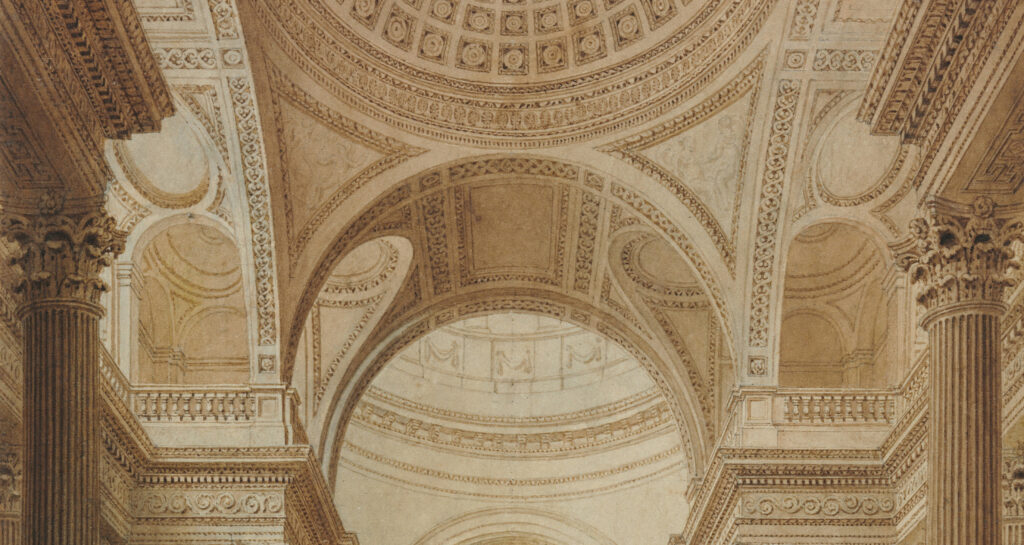
Beauty as an act of resistance
One of the most misunderstood ideas today is that beauty is escapism. In a culture addicted to cynicism, overstimulation, and speed, beauty is not an escape, beauty is rebellion. We need this rebellion against everything that pushes us toward chaos, despair, and senselessness.
It is an act of resistance to decorate your home with intention, to read long books, to cook slowly, to cultivate quiet routines, to create order out of chaos, and to pursue elegance in a world that rewards exhaustion and over simplification.
When you choose beauty — even in small ways — you are rejecting a worldview built on numbness. You are refusing to become desensitized. You are refusing to let the world’s chaos and busyness dictate your interior life. And to refuse to such culture is more subversive than it sounds.
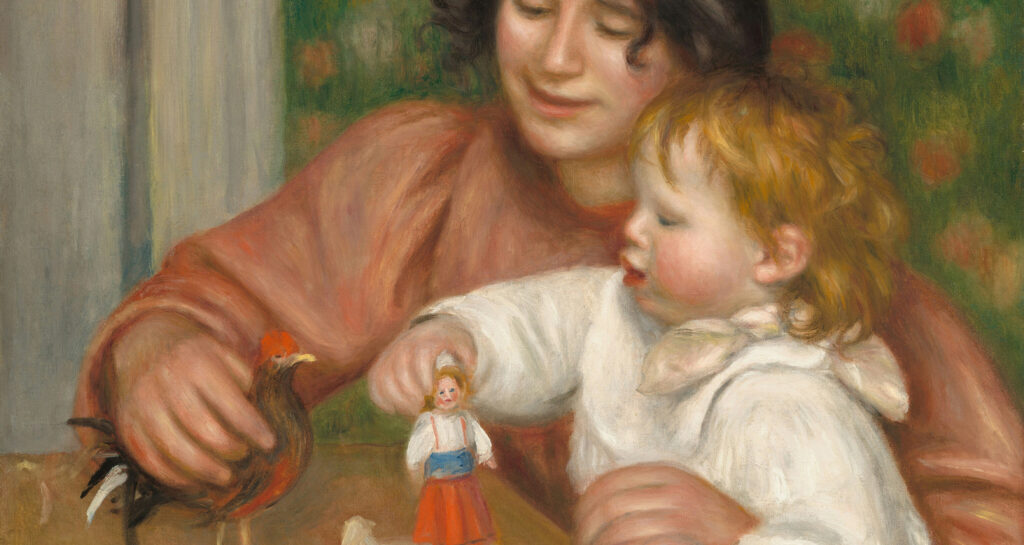
Beauty begins inside the home
During one of the most stressful years of my life, I started paying more attention to how I dressed and spent extra time doing my hair and makeup. At first it felt indulgent and almost silly. But week after week, something in me shifted. My mind relaxed faster. I started feeling more confident and joyful. I found myself looking forward to getting ready, even if it only took five minutes.
It wasn’t the makeup or particular clothes. It was the decision to honor beauty as if my inner life depended on it. Because it does.
Beauty doesn’t need to be expensive or elaborate to be transformative. It needs to be intentional. Sometimes it simply needs to be acknowledged. A candle lit at the end of a long day. A room cleaned out of respect for the person you’re becoming. A meal cooked because nourishment is better than convenience. Beauty is formation, not decoration. It creates an atmosphere that changes your psychological weather and inevitably changes you.
And women (whether they realize it or not) have historically been the custodians of this kind of beauty. Not superficial beauty, but the kind that makes a home feel safe, the kind that restores people after long days, the kind that gives relationships their texture and patience. This is not an outdated stereotype. It is a civilizational truth.
The feminine genius of beauty
A woman who cultivates beauty — whether aesthetically, emotionally, or spiritually — has more cultural influence than she will ever fully see. Beauty gathers people. It anchors them and it makes them feel human again.
This is why feminine influence has always been subtle but immense. Women create environments where people learn how to feel, speak, rest, and hope. When women abandon beauty, entire cultures become harder. When women recover beauty, cultures soften.
The woman who takes beauty seriously is often the one who can hold both herself and others together during uncertain times.
Beauty shapes discernment
When you begin to surround yourself with real beauty — instead of trends or perfectly curated aesthetics — you naturally develop discernment. You begin to intuitively recognize when something (or someone) is good for you or not. Beauty clarifies the mind. It sharpens perception. It makes you quicker to notice what elevates you and what drains you.
A person immersed in beauty becomes harder to manipulate, harder to impress falsely, and harder to distract. Beauty strengthens your interior anchor, helping you respond to the world from a grounded center rather than a reactive or scattered one.
This is the part of Dostoevsky’s insight that often gets missed. Beauty doesn’t just make you feel better, it makes you see and be better.
The quiet way beauty saves the world
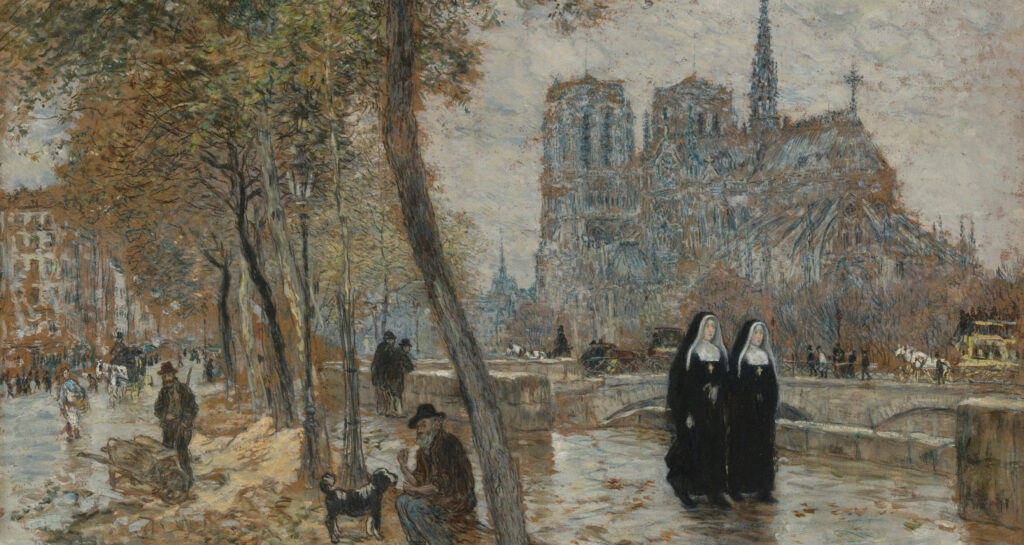
Beauty changes behavior. It slows impulsiveness and it draws people closer to one another. It inspires patience, attention, and humility. It reminds you of your own dignity and of the dignity of the world around you.
Beauty saves the world not in a dramatic, cinematic way, but in the slow, steady restoration of the human heart. Beauty rehabilitates the soul, and a rehabilitated soul affects every person it touches.
When enough people live this way — when enough homes, friendships, relationships, and communities orient themselves toward beauty rather than chaos — the world becomes harder to degrade.
So yes, beauty can save the world. Not by decorating it, but by restoring it.
The final invitation
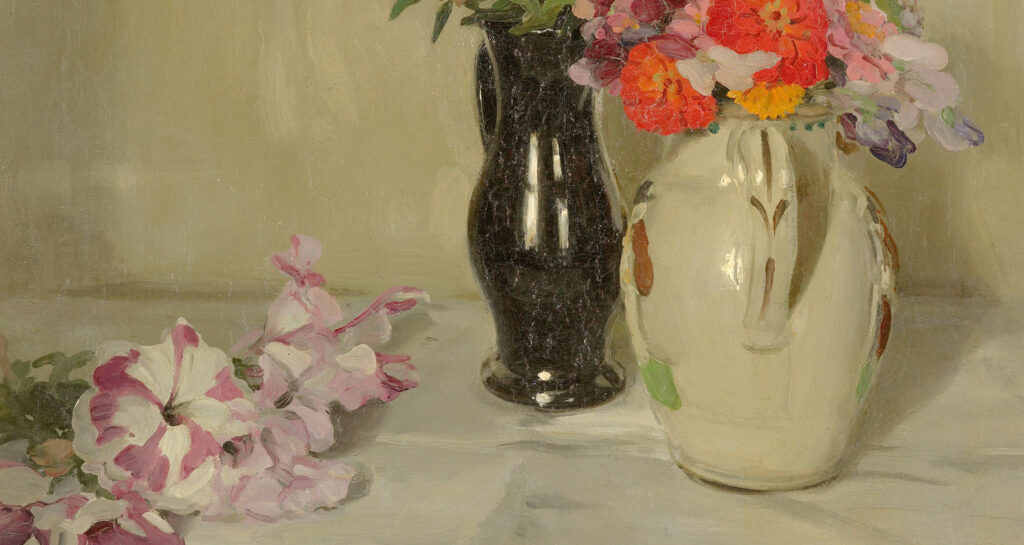
When I think back on that sticker above the garbage bags, I no longer find it ironic. I find it prophetic. Beauty doesn’t ask you to deny reality. It asks you to elevate it. It asks you to protect what remains sacred in you. It asks you to resist the cultural numbness that feeds despair.
Beauty won’t save the world all at once. It will save it quietly, through the people who decide not to surrender their interior lives to the noise around them. Through the people who choose to create small pockets of order and warmth, and through the people who remember that we are shaped by what we behold.
Beauty is not escape, beauty is resistance. And in a world this overwhelmed, resistance to everything pulling us away from beauty is exactly what we need.
Related Posts

Shrimp Fra Diavolo
By Calista Boskus

7 ways to dress femininely and artistically
By Ava Cilento

Lent challenges for the whole family!
By Grace Porto
40 days of Lenten art and reflection
By Rose Church
Absolutely beautiful article! Thank you!
I’m so thankful my friend sent me this article! This is one of the BEST explanations I’ve ever read about the quote, “Beauty will save the world!” Thank you so much for this wonderful article. God bless!
I am so inspired. Thank you!