Bl. Karl of Austria’s model for building thriving families: An interview with Archduke Eduard Habsburg
Published on May 26, 2026
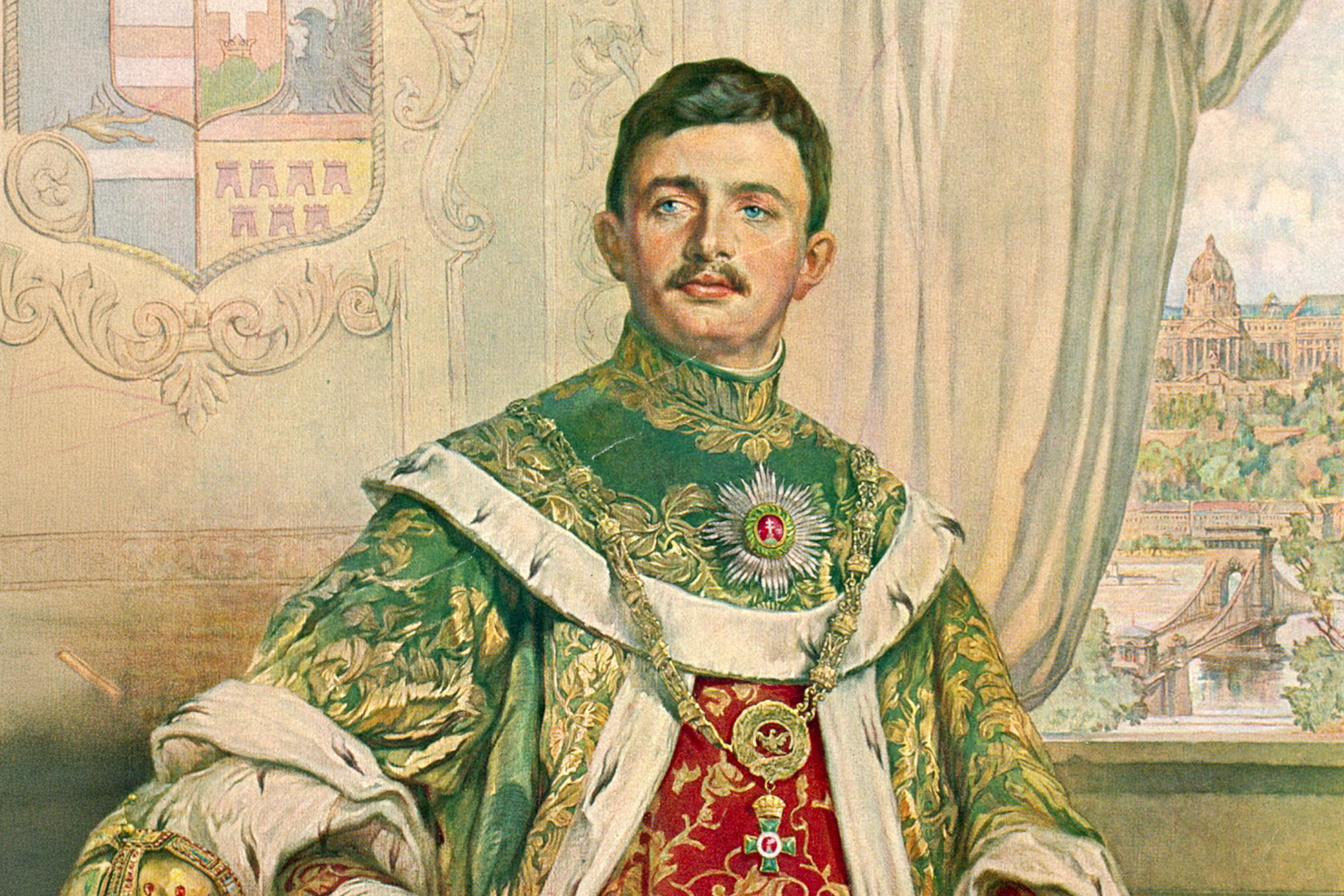
What does a fallen empire have to teach modern Catholics about marriage? According to Archduke Eduard Habsburg, quite a lot.
Archduke Eduard is a member of the Habsburg-Lothringen household, which ruled Austria from 1714–1918, and was Hungary’s ambassador to the Holy See from 2015–2025. He is also a father of six children and a devout Catholic.
In his book Building a Wholesome Family in a Broken World: Habsburg Lessons from the Centuries, Eduard takes lessons from his family’s long history and applies them to modern times. In an exclusive interview with Zeale Lifestyle, he went into more detail about what the Holy Roman Empire’s royal family can teach today’s youth about happy marriages and flourishing families.
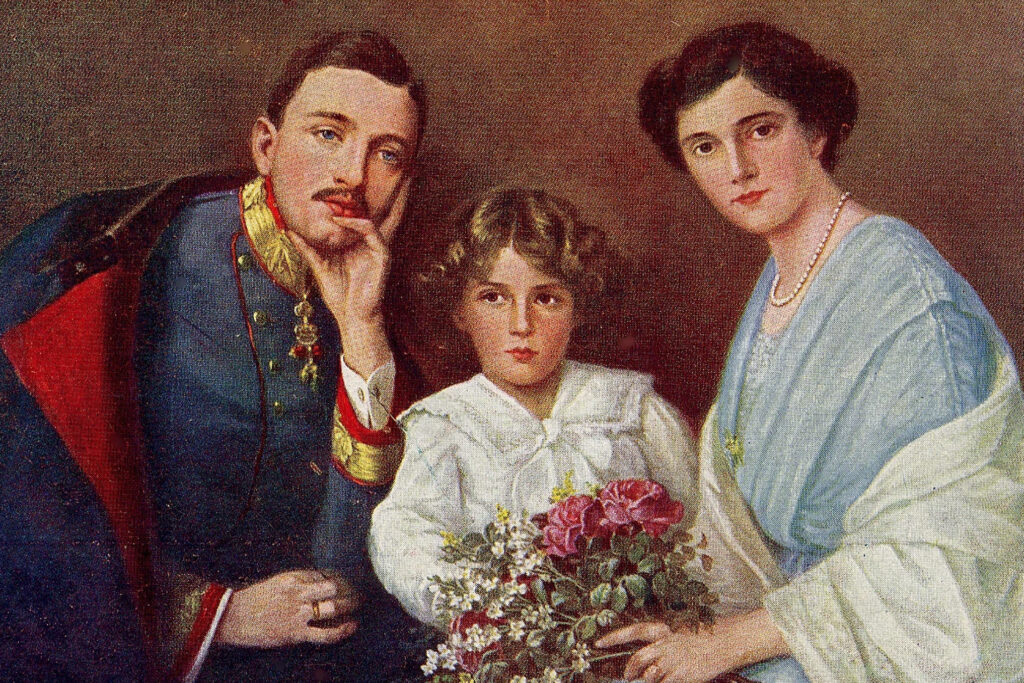
Blessed Karl of Austria, a hero for modern men and women
Eduard said that whenever he asks the youngest generation of Habsburgs who their favorite ancestor is, they tell him Bl. Karl of Austria.
“Compared to many other Habsburgs, [he] had an unimportant life,” he explained. “He was emperor for one and a half years. Many people don’t even know he exists, because for most people, they think the Habsburg Empire ends with Prince Joseph.”
Bl. Karl fought for peace in World War I during his short reign from 1916–1918, but he was unsuccessful.
“He lost the war, the Empire, and went into exile, and died miserably in exile in 1922,” Eduard said. “So, in the eyes of the world, that’s a total loser for you. And nevertheless, he’s the greatest example that we have in the family.”
One of Eduard’s nieces told him that Bl. Karl showed future generations how to be a good father, husband, and Catholic.
“He did his job really well,” he added. “And his job happened to be emperor.”
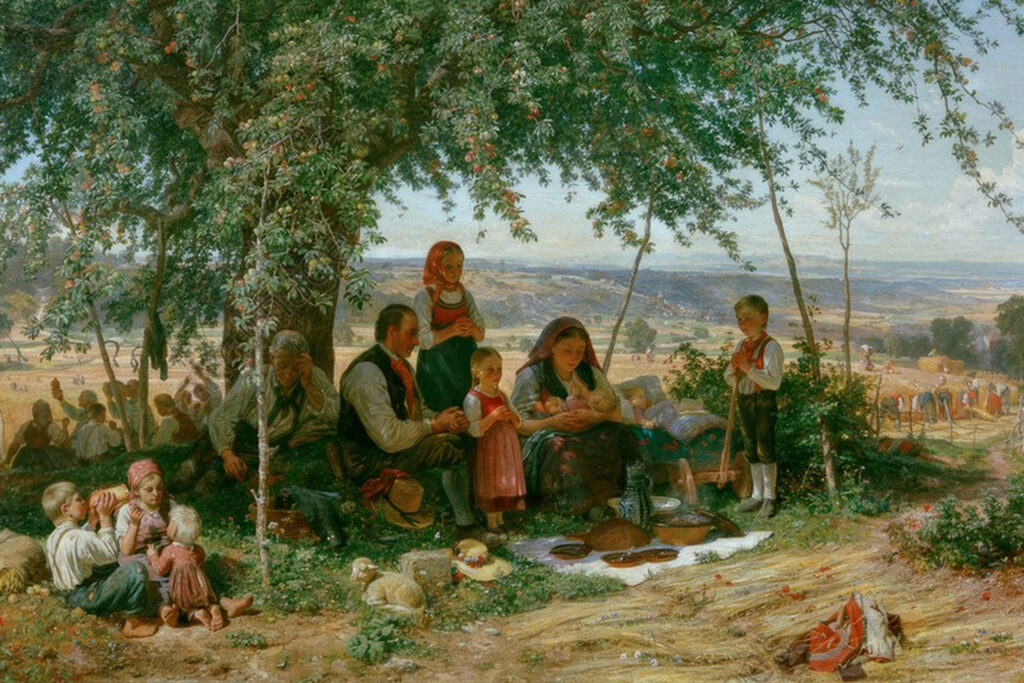
The importance of family prayer
To live a truly Catholic family life, parents need to show their children how to “pray without ceasing,” as Jesus exhorted his disciples in the Gospels. Eduard described some of the ways his own family incorporated daily prayer, and passed their love for prayer on to their children.
His own mother, he said, prayed up to three rosaries a day and loved attending daily Mass, which was incredibly important for him. He then shared an anecdote about how his wife began attending daily Mass.
“My wife told me that she has a great love for going to Mass during the week. And she said it
came from her father, who never forced her to go to Mass with him during the week,” he explained. “But she always saw him getting up at six in the morning and quietly moving out of the apartment past her room to go to Mass.”
Ultimately, Eduard said, children follow their parents’ example, not just their instruction.
“I believe that the father is probably the most important character for the development of faith life in the family,” he added. “Children seeing their father standing in queue to go to Confession, children seeing their father leading the Rosary, children seeing their father speaking about faith is incredibly important.”
Teaching chastity with love
One of the most important aspects of forming healthy marriages is practicing chastity in relationships, Eduard wrote in Building Wholesome Families. During the interview, he elaborated on how parents can teach their children to love chastity, before they’re old enough to begin dating.
Once again, Eduard said the parents’ example is paramount. But the whole household helps form the children.
“It’s easier with the younger children because they will take their cues from their elder siblings. I can tell that for my younger daughters, the example of the parents is not as important as the example of the siblings,” he said. “If they dress modestly, if they behave modestly, then the younger siblings will immediately copy that, even more than if the parents tell them that.”
He added that when children attend school they will likely be bombarded with pornographic imagery, even from other students. Parents should have clear rules about phone usage and explain what the purpose of dating is before their children are at that age, he said.
Eduard suggested presenting chaste dating as a deal: You give up the cultural norm of dating lots of different people for one lifelong, happy marriage.
“In my book, I say that many of the Habsburgs’ most happy marriages were the ones who lived chastely before marriage,” he said. “And it makes sense, as my father always said to us, if you’re not faithful to your future wife before the marriage, why would you be faithful when you’re married?”
Living far from family has challenged young couples for centuries
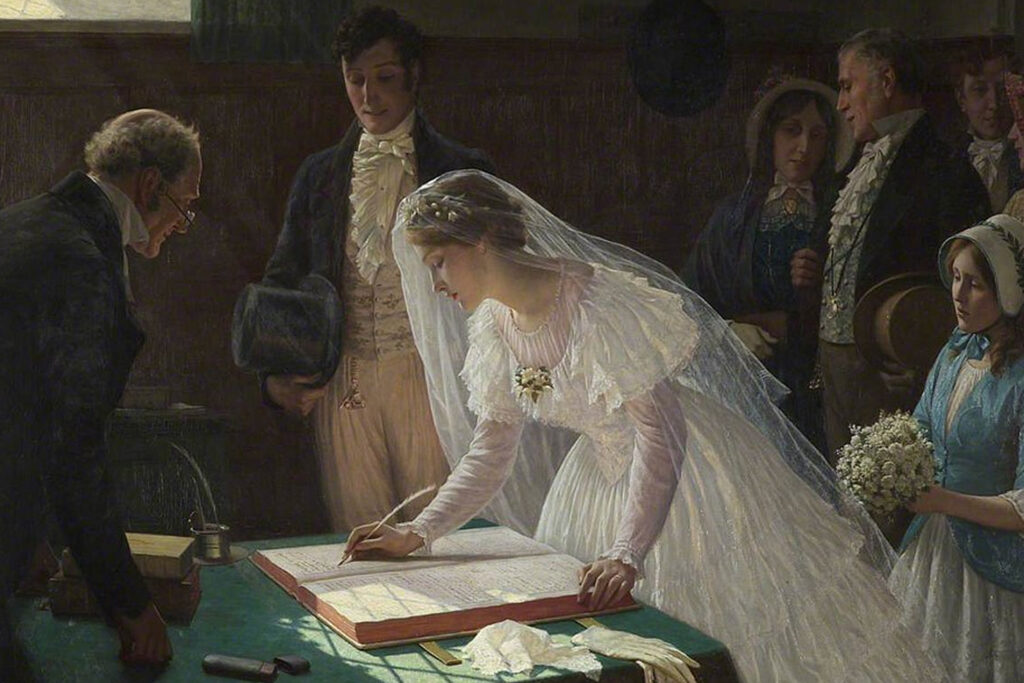
Eduard also discussed something that many young people and their parents are struggling with – moving far away from their families after marriage. Many of the Habsburgs, even in medieval times, experienced the same thing, moving several countries away from their home once their marriage was arranged.
“You can console yourself with the idea that this is something that has happened to couples over the last centuries,” he said. “Not all. Many marry just in the next village. But many people have had to travel somewhere else.”
He encouraged young couples to bring their loneliness to Our Lord in prayer.
“I believe that prayer helps a lot,” he said. “I believe that if you can pray together with your spouse, it’s easy. I believe that you will find new friends around your church, around your faith community. And you pray and you ask God for help.”
While modern technology makes it easier to communicate with family, living far away is still challenging. A shared faith, Eduard added, makes it easier to bear this burden.
Forming healthy families after a troubled past
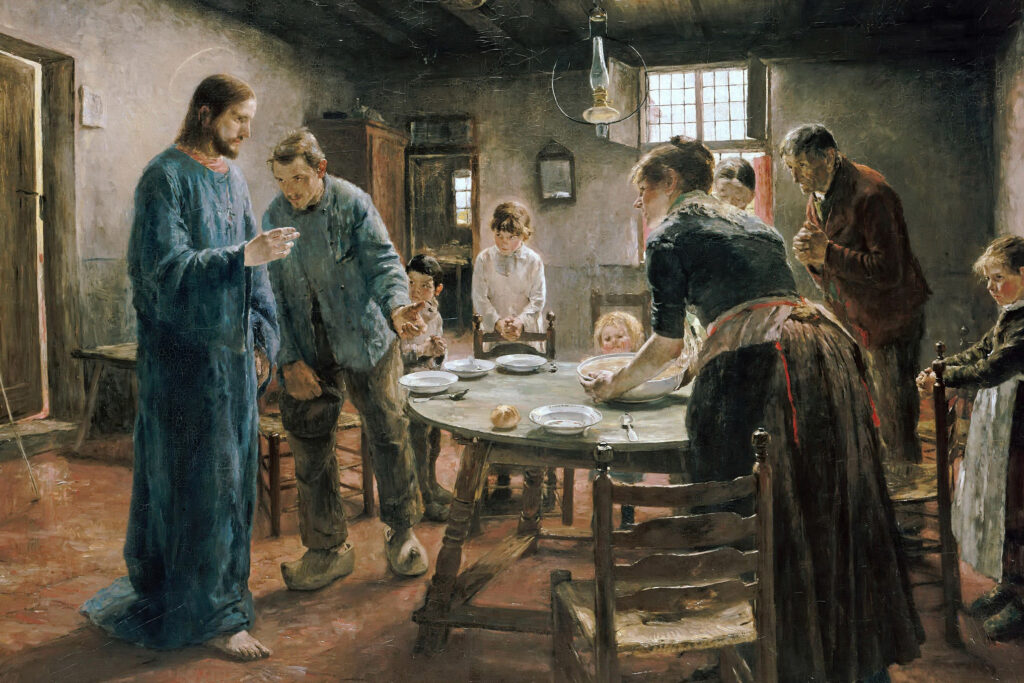
Eduard also discussed the particular challenges that converts face in forming families, whether that is because of childhood wounds, a dysfunctional family of origin, or the damage caused by living an unchaste life previously.
“Everybody has a chance to have a happy marriage,” he emphasized, adding later, “With grace and with prayer and with sacraments, everything is possible.”
“Look at those couples that you really trust,” Eduard continued, “and try to model your life after those couples. Try to build up new ideals.”
His ultimate secret to a happy marriage? Marrying a Catholic.
“And if you’re not Catholic, become Catholic. Because I believe that the Catholic Church with its teaching and with its sacraments is the best tool to make a lifelong happy marriage,” he said.
“If you can’t become Catholic, then at least try to live a Christian life. And find someone who shares your faith. Ideally, you should marry someone for whom God is the center of their world. If you can manage to do that, you have a good chance of a happy marriage.”
Related Posts
The non-sewers’ guide to All Saints’ Day costumes
By Grace Porto
How JP2 teaches us the concept of healthy leisure
By Ava Cilento
Accessorizing 101: How to mix and match colors and textures
By Jessica Nardi
Custody of the eyes
By Rosie Hall