Biohacking and personalized wellness: What’s worth trying (and what’s just marketing)
Published on November 30, 2025

The wellness world has grown into a billion-dollar industry that isn’t slowing down. Scroll through TikTok, and you’ll find a girl icing her face at 5 a.m., a guy in a red-light therapy helmet, someone blending $40 worth of supplements into a smoothie, and a biohacker bragging about their cold plunge at dawn. By noon, someone else is claiming celery juice “cures everything” and a different expert warns you that drinking water out of the wrong bottle will ruin your hormones.
While all this well-meaning advice can be helpful, it’s also a circus. And if you’re like me (curious, health-conscious, willing to experiment) you’ve probably tried your fair share of these trends. I’ve done cold plunges, juice cleanses, biotracking, functional medicine testing, and more supplements and herbal teas than I can count. I’ve bought things that helped me, things that did nothing, and a few things that I now regret.
And you know what? I don’t see any of that as wasted time or money. My body is the one thing I’ll own forever, and I take joy in taking care of it. Through all the noise, I’ve learned something crucial: not everything is worth your time, and the difference between what actually works and what’s just good marketing comes down to intention and context. It is also important to recognize the reality of orthorexia, which is an extreme obsession with health that is as unhealthy as everything it intends to prevent.
This isn’t another “do this, don’t do that” guide. Instead, think of it as a field report from someone who’s been there. I’ll dive into what’s worth looking into, what’s nice but not crucial, and what’s simply hype.

The foundation vs. the fancy
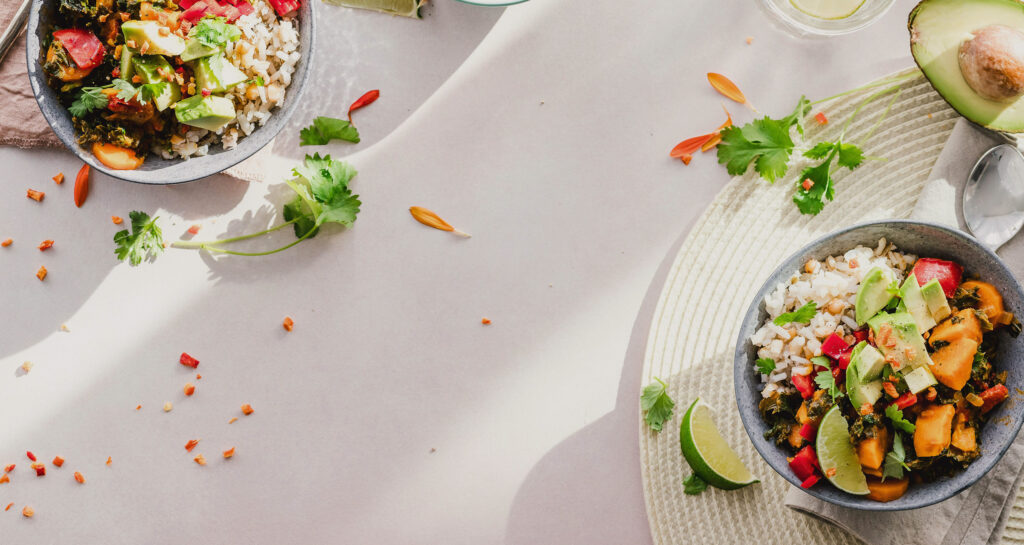
Here’s the truth the wellness industry doesn’t want you to hear: The basics still matter more than anything else. Sleep, nutrition, movement, stress management, and relationships will do more for your long-term health than any gadget or supplement ever could.
The problem? Basics aren’t sexy. No influencer is going viral for saying, “Go to bed earlier.” That doesn’t sell. But I’ve found again and again that without the foundation, no biohacking tool will work the way you want it to.
- Sleep tracking ring? Great! But it won’t matter if you’re still scrolling TikTok until 2 a.m.
- Cold plunges? Helpful, but not if you never break a sweat from actual exercise.
- Supplements? Sometimes game-changing, but not if your diet is ultra-processed and nutrient-poor. You still need fruits and vegetables in every meal.
The first “hack” is making peace with the fact that consistency in the boring things pays off more than spending $600 on a wellness gadget.
What’s worth looking into (high-impact, low-noise)
These are the practices and tools that have made a tangible difference in my health or the health of people I know, backed by at least some science and lived experience.
1. Bloodwork & testing
The single most useful “biohack” isn’t trendy, it’s simply understanding your own biology. Comprehensive bloodwork (not just the standard physical panel) can tell you more about your hormones, nutrient levels, inflammation, and metabolic health than any TikTok advice ever could.
Doing this once or twice a year, ideally with a doctor or functional medicine practitioner who can interpret it, is worth the investment. It’s the difference between taking random supplements and knowing exactly what your body needs. Personally, I did a deep dive into my hormones with FEMM and I realized that a few changes in habit and some insulin support did wonders for my body.
2. Cold exposure & heat therapy
Cold plunges, ice baths, and even just finishing your shower with 30 seconds of cold water can boost mood, reduce inflammation, and improve resilience. The science is strongest on mental health benefits: cold exposure stimulates norepinephrine, which is linked to focus and energy.
On the flip side, sauna and heat exposure are equally powerful. Long-term studies in Finland show regular sauna use lowers the risk of cardiovascular disease, dementia, and all-cause mortality. Translation: sweating it out is more than just relaxing, it’s protective. If you can access a sauna, spa, and all the fancy equipment, that could be worthwhile; but a hot shower followed by 10 seconds under cold water is character building and good for the body.
3. Strength training
It might not feel like “biohacking,” but lifting weights is one of the most profound longevity tools we have. Building muscle protects bone health, boosts metabolism, and supports hormone balance. If you care about looking and feeling young into your 70s and 80s, strength training beats almost every gadget on the market.
4. Protein & whole foods
No supplement stack can fix a nutrient-poor diet. Prioritizing protein, whole foods, and balanced meals has more impact on hormones, skin, energy, and mood than any powder. Yes, collagen and greens powders can be nice, but they’re the garnish, not the meal.
What’s nice but not crucial
These are practices that can add benefit, but they’re not make-or-break. They often fall into the “luxury” category: helpful if you have the time, budget, and interest, but not essential.
1. Red light therapy
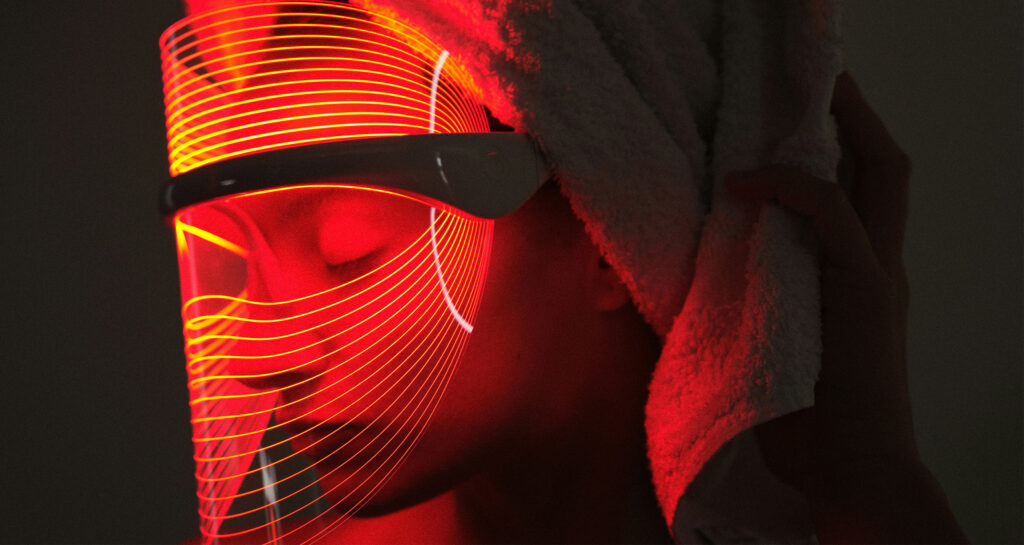
The studies are promising: Red light can help with skin healing, inflammation, and even muscle recovery. But it’s not cheap, and the results tend to be subtle and long-term rather than life-changing. If you’re already dialed in on sleep, diet, and exercise, red light can be a worthwhile add-on. If not, skip it.
2. Blue-light blocking glasses
Do they work? Yes, somewhat. They help with sleep by reducing stimulation before bed. But the bigger win is simply not scrolling at midnight. Glasses help, but discipline is cheaper. Nonetheless, if your job requires it or you simply know you’ll do it no matter what, blue-light blocking glasses may ease the impact in your eyes and brain.
3. Grounding/earthing
Walking barefoot outside or using grounding mats indoors is popular in the biohacking world. The idea is that direct contact with the earth stabilizes our electrical charge and reduces inflammation. The science is mixed, but subjectively, I find grounding calming and mood-lifting. Worth it if it makes you feel good, but don’t expect it to cure chronic illness or produce any other life-changing result.
4. Supplements (selective use)
Magnesium, vitamin D, omega-3s, and probiotics can be genuinely useful. But the supplement industry thrives on overpromising. Beyond basics, only take what your bloodwork or a professional tells you to. Otherwise, you’re mostly making expensive urine.
What’s mostly hype (save your time and money)
Some wellness trends are harmless but pointless; others may actually backfire. Here are the ones I’ve found fall more under marketing than medicine.
1. Extreme juice cleanses
Your liver and kidneys already detox your body. Extended juice cleanses often spike blood sugar and leave you depleted. A day of juicing here and there won’t hurt, but as a lifestyle? It’s not sustainable or effective.
2. Over-tracking everything
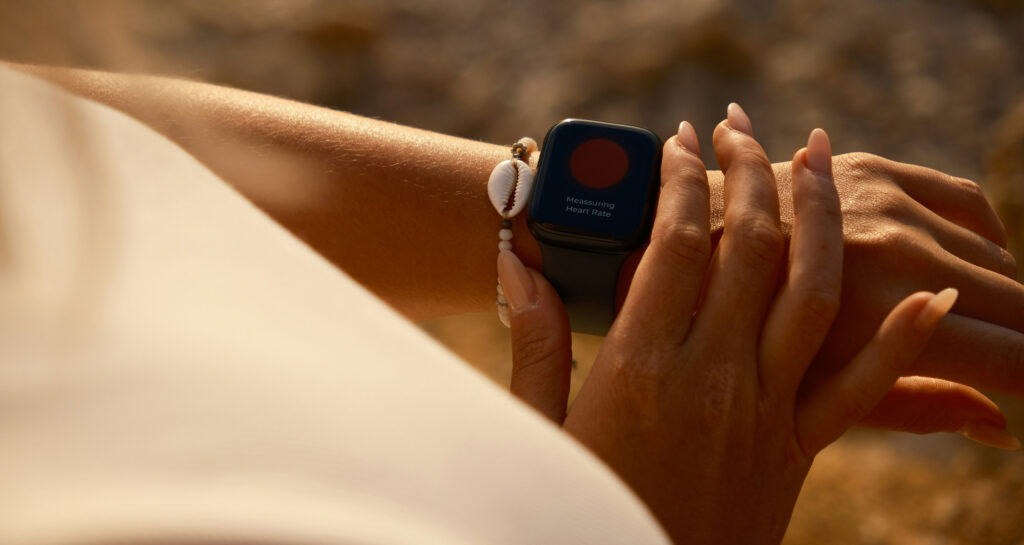
I once wore a sleep tracker and HRV monitor at the same time. Guess what? I was more stressed about the data (and understanding it) than about my actual health. Many people do even more than this with their Oura rings. Tracking can help, but obsessing over metrics can backfire and create health anxiety. Be conscious that what you are tracking is something worth keeping track of.
3. Expensive detox products
From $300 “detox teas” to colon cleanses, the detox industry is a scam in fancy packaging. Unless prescribed for a medical reason, your body is fully capable of detoxing itself. A healthy diet, water, sweating, and the occasional intermittent fasting (if you’d like to try that) is all the detox we truly need. Save your money.
4. Extreme biohacks
From stem cell infusions to cryo-chambers, the ultra-expensive biohacks are rarely necessary. They may offer marginal benefits, but they’re not the golden ticket to longevity. The basics still outperform them.
The bigger question: Why are we biohacking in the first place?
Here’s what I’ve realized: Biohacking isn’t really about the cold plunges or the supplements. At its core, it’s about a desire for control in a world that often feels uncontrollable. We’re told diseases are random, aging is inevitable, and health is fragile. Biohacking whispers, “Maybe it doesn’t have to be.”
That hope isn’t bad. In fact, it can be empowering. But when wellness becomes obsessive; when it’s about spending more, doing more, and never feeling “enough,” it becomes unhealthy.
The real biohack isn’t in a gadget or supplement. It’s learning to listen to your body, to notice how different foods, habits, and environments make you feel, and to adjust accordingly. No specific gadget can do that for you.

What to consider before jumping on a trend
- Is it foundational or fancy? Don’t skip sleep for a gadget.
- Do I actually need this, or do I just want the aesthetic? (Looking at you, $400 water filter carafes.)
- What does my bloodwork say? Personalized data beats general advice.
- Can I sustain this long-term? If it only works for two weeks, it’s not a solution.
- Does it reduce stress or add it? The point is health, not perfection.

Biohacking as curiosity, not fear
After years of experimenting, here’s my conclusion: Biohacking isn’t about finding the one perfect trick that makes you ageless and invincible. It’s about cultivating curiosity about your body and giving it the respect it deserves. It can be incredibly rewarding, and taking responsibility and care for your body does wonders not only for your biological health but for your self-esteem.
Yes, I’ll keep experimenting. I’ll stick to my workout routine. I’ll keep doing my bloodwork. I’ll try new supplements when they make sense. But I’ll also keep grounding myself in the truth that no hack replaces the basics: sleep, real food, movement, relationships, faith, and joy.
The wellness industry thrives on making us feel like we’re always one gadget away from being “enough.” But the real power is remembering that your body is already remarkable, already self-healing, already designed for resilience. The hacks are extras, not the foundation.
So go ahead, try the cold shower and whatever hacks may be sparking your curiosity, but remember: The best “hack” of all might be learning to live well, consistently, without fear and with gratitude and love for the body you already have.
Related Posts

The line that runs through every human heart
By Johanna Duncan



3 Lenten retreats that you can do at home
By Grace Porto
For some of these gadgets or hacks…
You have to know yourself, too. I do have an Oura, and it has taught me a whole lot…including the impact of just 1 drink. It knows when I’m getting ill before I do, which is helpful for planning that day. So many other useful tidbits that have changed some of my habits.
But I’m a scientist, and I know how to deal with data without obsessing because it’s just objective information. My husband is a computer programmer….not a scientist. I let him borrow it for a month and he got extremely frustrated. Not for him!
Know yourself.
Great to see people in the Catholic sphere having these discussions! I would add that juicing can be beneficial if you focus on things like green juice (cucumbers, kale, celery, parsley, lemon, ginger root), rather than fruit-based juicing. Check out my “Fad Diet or Lifelong Nutrition?” video over on my YouTube channel to see how I approach health from the perspective of a Catholic husband and father: youtube.com/@BarricadeGuard
I’d be honored if you checked it out and subscribed, and hopefully it will benefit you as well! Thank you.