My petition to bring back Sunday suppers
Published on April 2, 2026
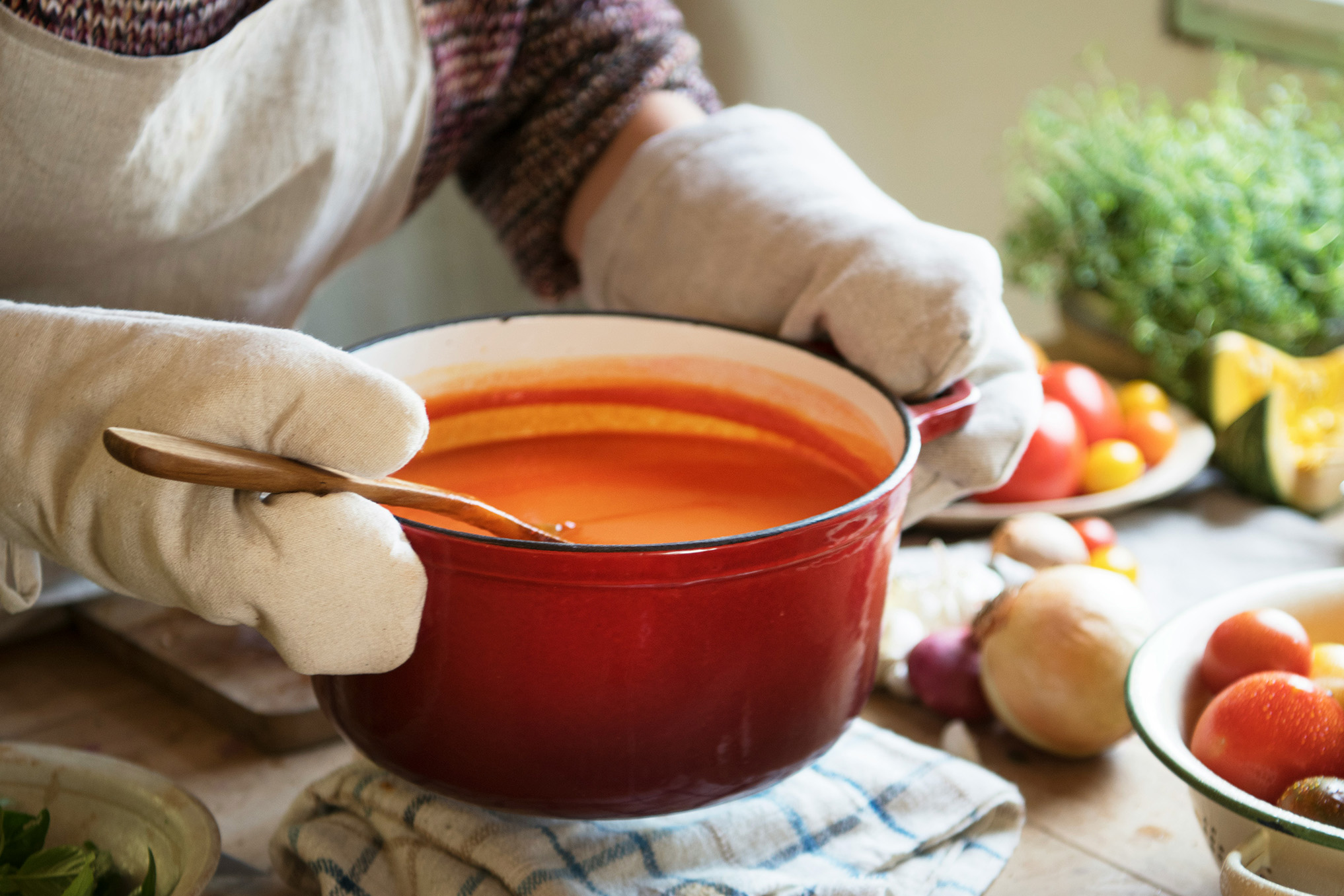
I’m not the first, and I certainly won’t be the last, to say that Sunday suppers are in need of a revival. While the dinner party may be having a comeback, I want to turn our attention to the wonderful tradition of a Sunday supper. The weekly dinner gathering of family and friends for a lovingly prepared meal, complete with long talks, lots of laughs, and a healthy dose of the usual family chaos. It embodies the feeling of home, wrapping you in the most comforting, nostalgic way possible. While many cultures have their own form of Sunday dinner, Italian culture brings a unique light to this often-overlooked ritual, which I believe deserves some respect, and I hope it can inspire you to start your own.
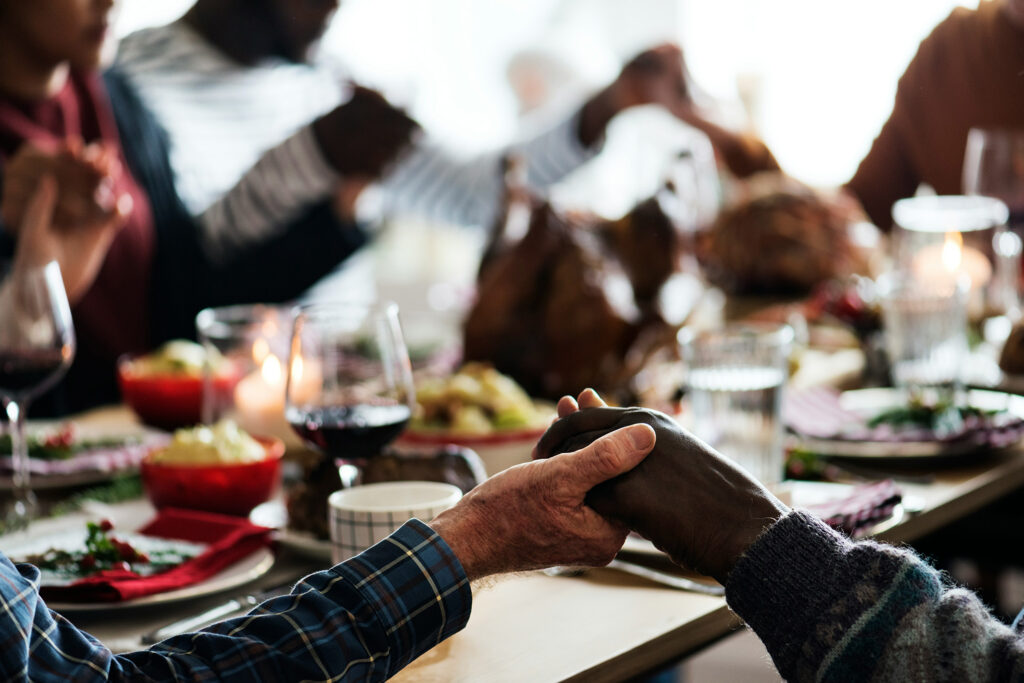
Family: The bigger the better
What makes Italian Sunday suppers so special? It’s no secret that Italians make family the center of everything. And who doesn’t love that? Especially in a modern secular world, where families don’t often share meals. Yet Sunday suppers, in the eyes of the Italians, are not just for the immediate family. Oh no, this is a full-on extended family affair, and yes, that means inviting friends and neighbors, because family isn’t just defined by blood.

Keeping all of Sunday holy
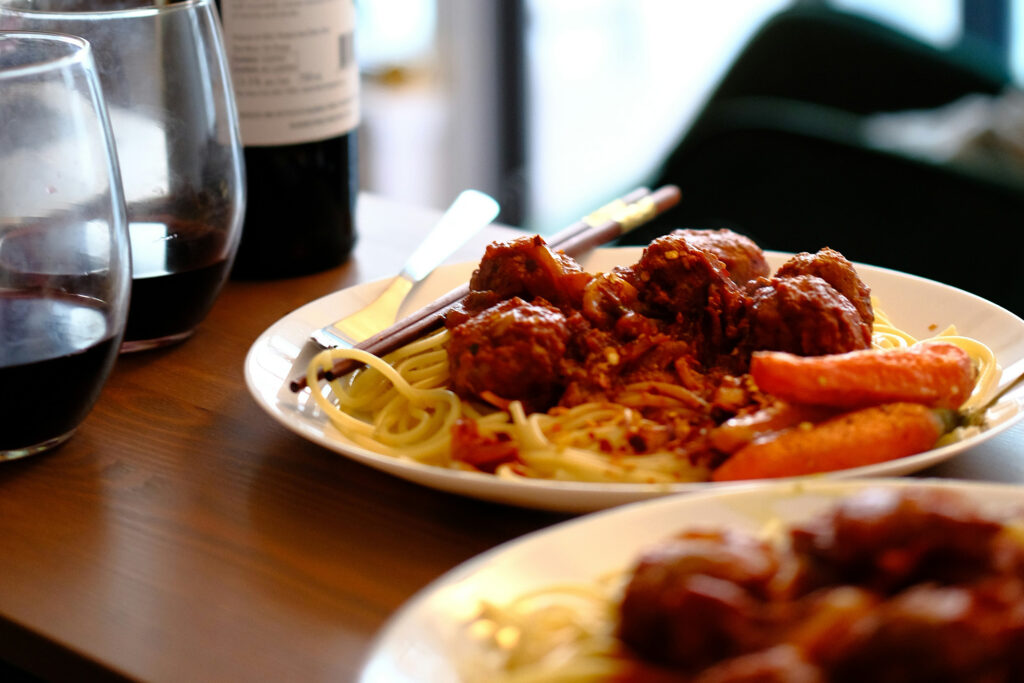
Secondly, Sundays are kept holy. The Italians really cherish Sundays. The typical Sunday supper is actually a full day. It begins by going to Mass in the morning, coming back, and preparing food all day until it’s time to eat. Grandmas and mothers cooking Sunday sauce, pasta, salads, bread, and dessert all day, only for it all to be devoured in a short amount of time. However, there is something deeply special about the craft of taking time to prepare a dish that takes all day to cook, allowing flavors to build and marry, and crafting an intentional feast to draw people together. There’s also the element and art of cooking from senses, tradition, and most importantly, love. While laboring in the kitchen, connections are also being stewed, and bonds are reinforced. The same goes for anyone not in the kitchen. In the waiting siblings and cousins play, and the older kids and adults catch up, share stories and jokes (complete with hand gestures), and occasionally yell at each other (with affection, of course). Italians live for gatherings, and Sunday suppers are no exception.
Although I did not grow up with elaborate Sunday suppers with my extended family every week like my dad and uncles, I have learned a lot from the gatherings that did take place; my immediate family dinners nightly, our grand family gatherings over visits, holidays, birthdays, and other special occasions. My dad and nana have recounted fond memories of their Sundays with me, and the elements that reign true today for my family are what make an Italian Sunday supper so unique and special. Each moment spent with family is a cause for celebration. Life is beautiful, sacred, and La Dolce Vita holds true. Breaking bread and sharing wine, as evidenced in the Last Supper, is not something we only partake in at Mass, but is a beautiful opportunity to invite others to our table and share in something deeper — nourishment in community, family, and love through spiritual and physical tradition.
Diversions
So where did we get lost along the way? You probably already know the answer. The secular shifts in culture have diverted our attention from Sundays, family dinners, social gatherings, and home-cooked meals. They were traded for filling every day with busyness or work. Family time has been put on the back burner. Social gatherings and physical connection have fizzled away, replaced by digital phones and social media. Convenient take-out replaced grandma’s cooking.
That’s why I am in favor of bringing back the beloved Sunday Supper, especially from the heart of the Italian perspective, to not only foster a strong sense of family but also restore the morals and values that evolve from remaining grounded in faith, family, and community. Honoring Sunday as the Holy Day it is allows life to slow down and refocus on the things that matter most.
How to implement Sunday suppers
Find what works for you
Perhaps your family is far apart, or maybe your family members work on Sundays but get a different day off instead. No matter what your circumstances look like, you can still have a Sunday supper experience. Find a day, time, and cadence that works for your family and loved ones.
Start slow
If your family isn’t accustomed to keeping Sundays, or family dinners haven’t been feasible in the past, do not fear: The essence of Sunday Suppers doesn’t have to be weekly. It’s about setting time aside to be with your loved ones and break bread together in a sacred and cherished way. Start small and slow with whatever cadence makes sense for you — maybe that’s every other week or once a month.
Just do it
No matter what, try not to overthink; just start. Oftentimes, the notion of starting a family tradition or ritual seems daunting, but this shouldn’t be. These Sunday suppers are laidback, relaxed, and indulgent gatherings meant to nourish the soul, not to cause stress. So don’t get caught up in creating the perfect menu or waiting until your house is clean and spotless. The key to getting started is just to dive right in.
Come one, come all
These suppers are a chance to gather with extended family, especially when schedules get hectic, but they’re also an opportunity to welcome others — friends, neighbors, or new acquaintances. Let the slower pace and relaxed atmosphere serve as an open invitation to the people in your life who are family, or who need family. Sunday Suppers also evoke all the warm, comforting feelings of home, something you and your guests will crave and remember fondly.
Delegate the cooking
Don’t be afraid to ask for help. Ask friends and family to bring the sides, a dessert, dinner rolls, etc. You can make it a potluck dinner if you wish. Don’t feel pressured to have an elaborate, entirely from scratch meal. Lean on trusty store-bought shortcuts and dishes to save time and sanity. Although the heart of Sunday suppers is enjoying a home-cooked meal, that doesn’t mean using outside resources is off-limits.
Indulge in heritage
You don’t have to eat Italian to throw Sunday suppers (although who doesn’t love pasta); adapt it to your family’s culture and heritage. Explore recipes from your roots and share them with your loved ones, a beautiful way to partake in the journey together.
Make it unique
Make your Sunday gatherings uniquely yours. Prepare your family’s cherished dishes, reminisce with loved ones, and explore new traditions to begin. Maybe that’s a special game to play before or after the meal, a signature cookie that’s always on the table, a prayer from the heart before the meal, rotating between family homes, the kids wearing their pajamas and watching a movie afterward while the adults enjoy some time together, or cooking and baking your way through your grandma’s recipe box.
Start, simply
In summary, you don’t need to wait for the perfect moment to begin Sunday Suppers. My biggest piece of advice is simply to start. Start small and start where you are. The beauty of this tradition will unfold naturally and become a grounding part of your week (or month), surrounding you with love, joy, family, community, and peace — even in the midst of chaos. Your Sunday suppers should serve a dual purpose: to nourish both the physical and the spiritual.
Ultimately, reviving the Sunday Supper isn’t about recreating a picture-perfect Italian feast or living up to anyone else’s traditions — it’s about reclaiming time, intention, and togetherness in a world that constantly pulls us apart. When we choose to simmer sauce all afternoon, set an extra place at the table, silence our phones, and linger a little longer over coffee and dessert, we push back against the hurried, disconnected pace of modern life. We remember that faith can be lived in the ordinary, that family can be chosen as well as inherited, and that a simple meal can become something sacred. My hope is that, one Sunday at a time — whatever day of the week that may be — we’ll return to the table, look around at the faces we love, and recognize that this, more than anything else, is la dolce vita.
Related Posts

5 reasons you should take your kids to the library — and how to do it!
By Brittany Makely

Sacred art in an artificial world
By Ava Cilento
Small habits that add whimsy and joy to your day
By Johanna Duncan

3 overnight oat recipes for on-the-go mornings
By Calista Boskus