7 Self-help books that actually grow virtue
Published on March 25, 2026
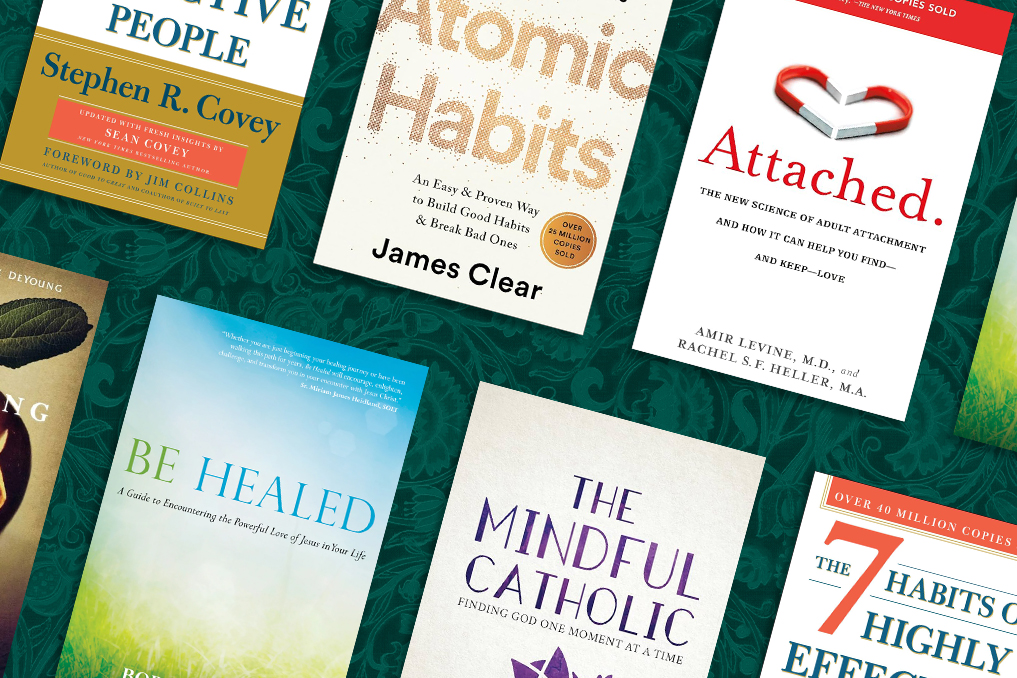
I couldn’t imagine therapy and healing without God. Even in a secular program like AA, the first step to recovery is to admit you need a higher power. Counseling and pop-psychology get a bad rap for promoting self-reliance and the stereotype of showing up session after session only to soothe your emotions and get affirmed by someone with a Phd. This strain of psychology does not lead to true healing, but that doesn’t mean it goes against our faith entirely.
Psychology at its core proves our need for a Savior. In fact, I found seeing a Catholic therapist was the only practice that made lasting results toward finding my identity as a daughter of God and has enhanced my quality of life in so many ways. God’s blueprint for humanity is written into our biology and neural pathways. The study of psychology unlocks and proves this truth. It is also the ultimate life hack to living out the Catholic faith practically. Self-help does not have to mean self-reliance. To prove it, here are seven self-help books that actually grow virtue.
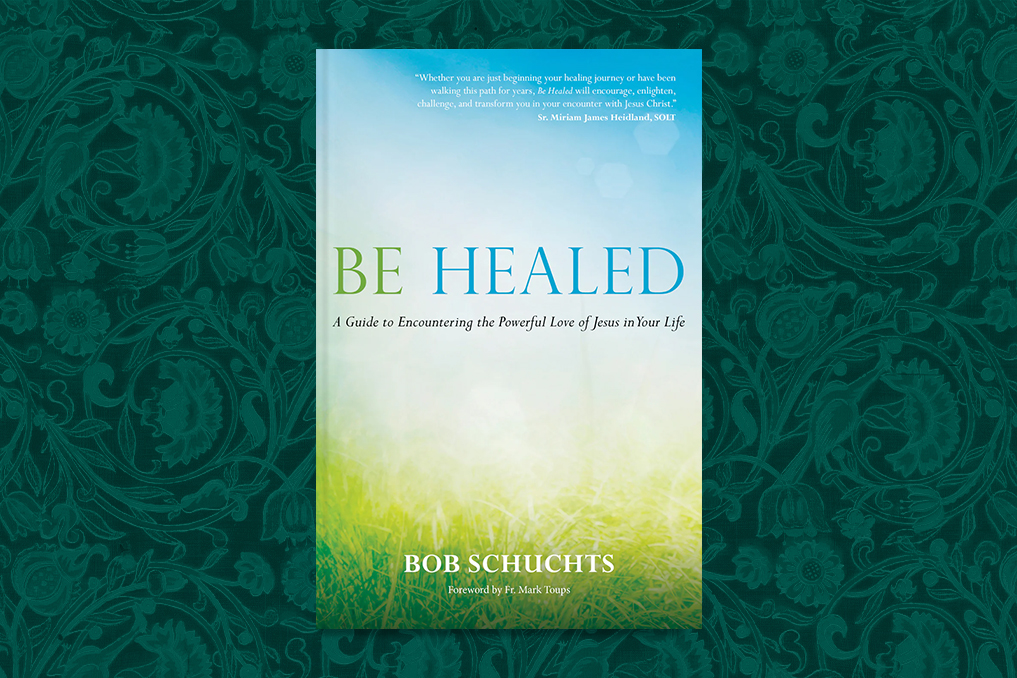
1. Be Healed by Bob Schutts
Iconic! Considering therapy or searching for answers to larger questions in your life based on past hurts? This book should be your starting point or at least a focal one. When Healing the Whole Person came to my parish, it kickstarted my healing journey. It was the first time I had allowed myself to cry in years, and it made me realize how much I needed God.
If you aren’t able to attend the retreat, this book is your pocket version where Bob Schutts melds psychology with charismatic spirituality. It’s a must-read for examining your unique story with God and yearning to see yourself through God’s eyes.
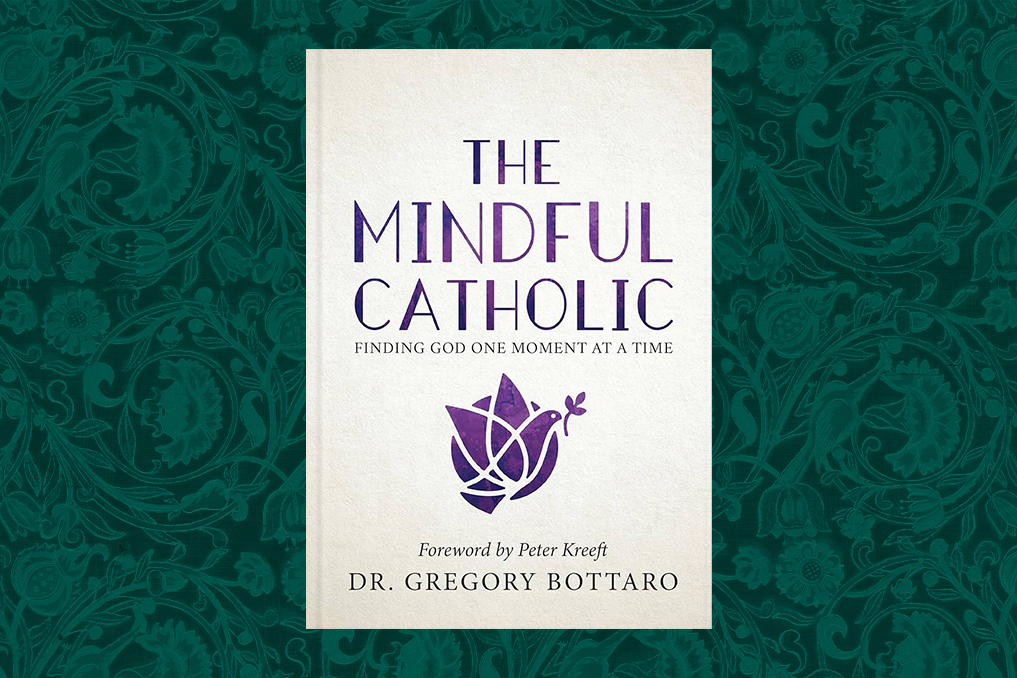
2. The Mindful Catholic: Finding God One Moment At a Time by Dr. Greg Botarro
After discerning with the Franciscan Friars of Renewal for four years, Greg Botarro eventually became a husband, father, and psychologist. Dr. Botarro founded the CatholicPsych Institute with the mission of creating “A Catholic Standard For Mental Health.” His goal? To fuse faith, science, and reason in his practice for psychology we can trust.
With the simple exercises found in The Mindful Catholic, readers can unlock mindfulness to become more aware of the present moment and accept it. Catholic mindfulness isn’t a new age practice but a way to practically trust God more in our lives so we can feel the safety and peace God has intended for us all along.
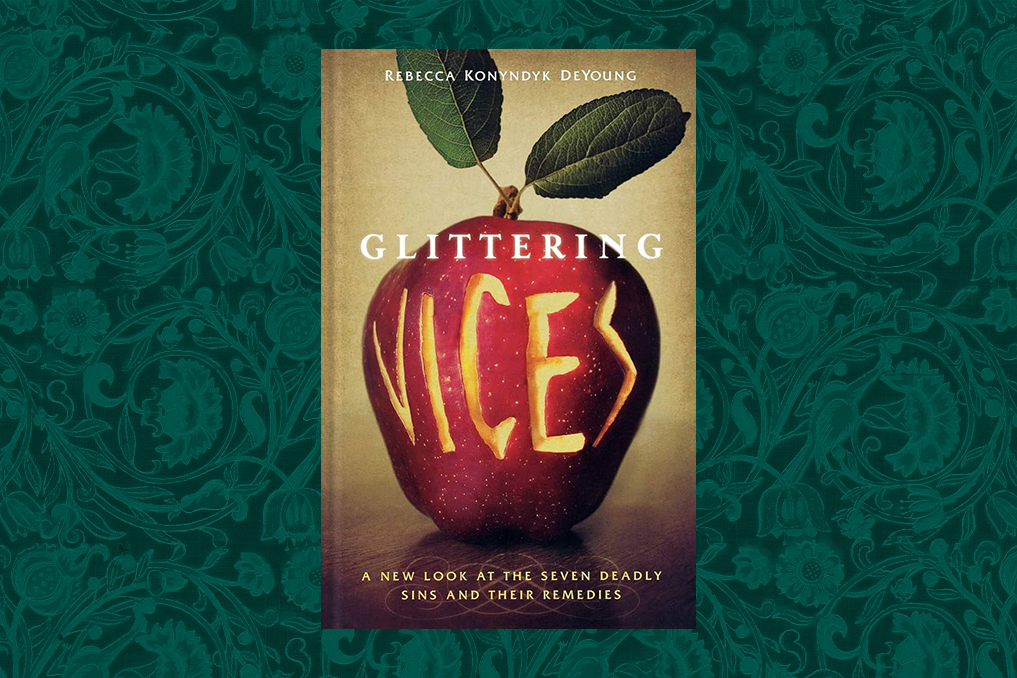
3. Glittering Vices: A New Look at the Seven Deadly Sins and Their Remedies by Rebecca Konyndyk DeYoung
This book rocked my world. A recipient of the C. S. Lewis Book Prize, it offers a more academic lens on the vices and how each one has become a malformed cornerstone of modern culture today. DeYoung includes discussion questions after each chapter and remedies for each vice to resist the deeply rooted patterns of sin.
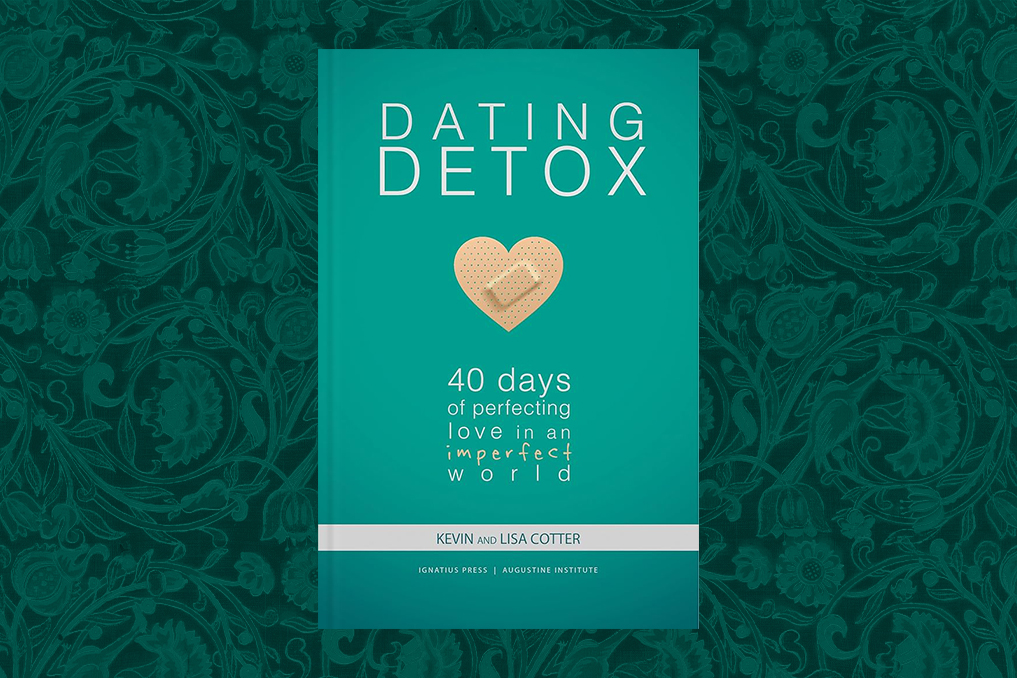
4. Dating Detox: 40 days of Perfecting Love in an Imperfect World by Kevin and Lisa Cotter
While this book is definitely for a young adult crowd, it contains plenty of wisdom. I received this book from a friend and before her “turn” many other women had read and passed it on. This traveling book taught me that you cannot rely on someone else to be your Savior. Only God can do that. This concept seems like a no-brainer, but there’s so many times I’ve yearned after a person or an opportunity to fulfill me instead of God.
Living this out isn’t as easy as it looks. That’s where this book comes in. It’s about taking a step back from dating based on use and dependence to step toward healthy, interdependent relationships while living out chastity. If you’ve ever struggled with sexual sin in dating relationships, this 40-day detox is worth a try.
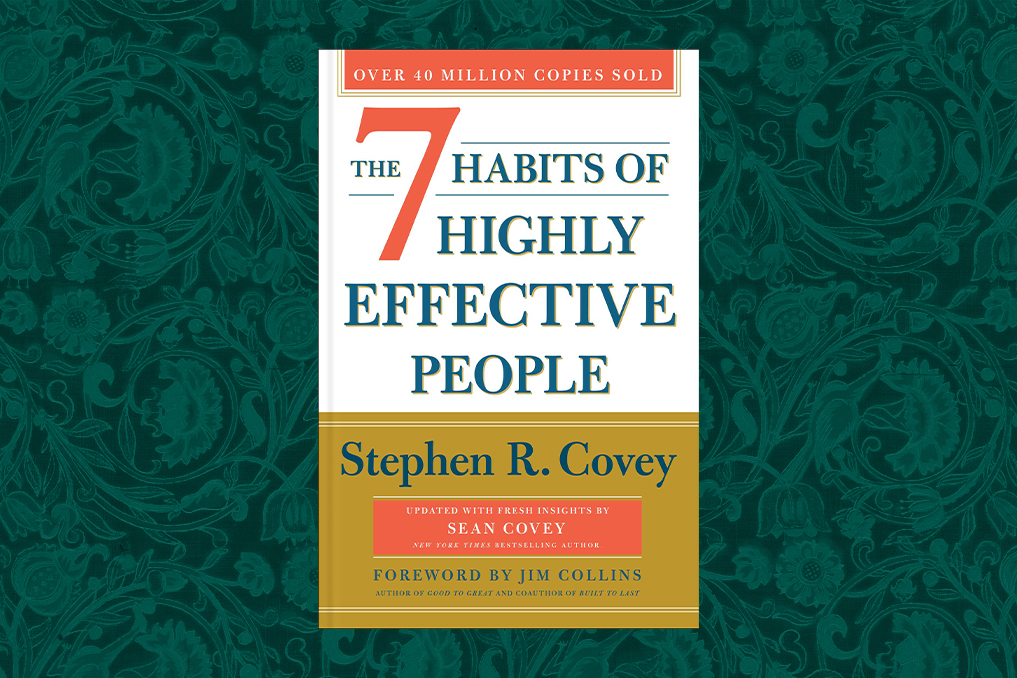
5. 7 Habits of Highly Effective People by Stephen R. Covey
This book is a holistic 7-step pathway for living with fairness, integrity, honesty, and human dignity. These habits are rooted in moral living and showcase different ways to perceive your problems, yourself, how you adapt to change, and the mindsets to create a successful tomorrow. For over 30 years, this self-help book from a Christian perspective can be applied to the professional, personal, and even prayer life. There’s even a version out there for teens by Stephen’s son Sean!
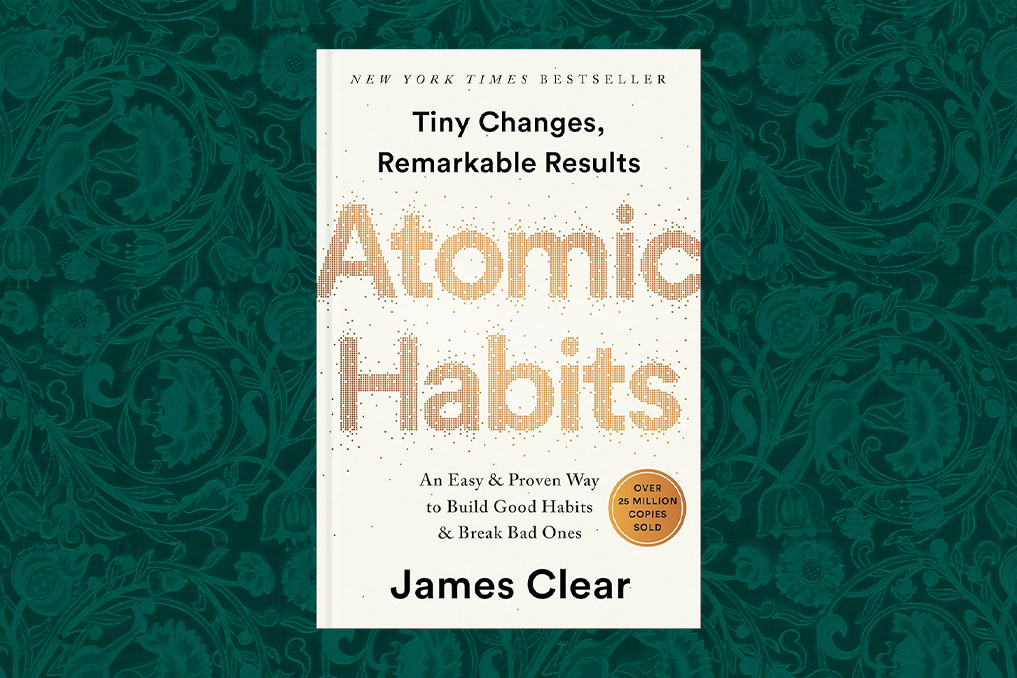
6. Atomic Habits by James Clear
This #1 New York Times Bestseller picks up where 7 Habits leaves off. Clear gives readers the science and simple explanations for why despite your best efforts, you just can’t quit that bad habit or build the one you really want. He teaches that it’s not solely about effort, but more about biohacking your brain through identity-based thinking. Clear promotes messy consistency and strong systems over time to reach your goals. Understanding how your brain works when it comes to building habits gives you a leg up in every facet of your life.
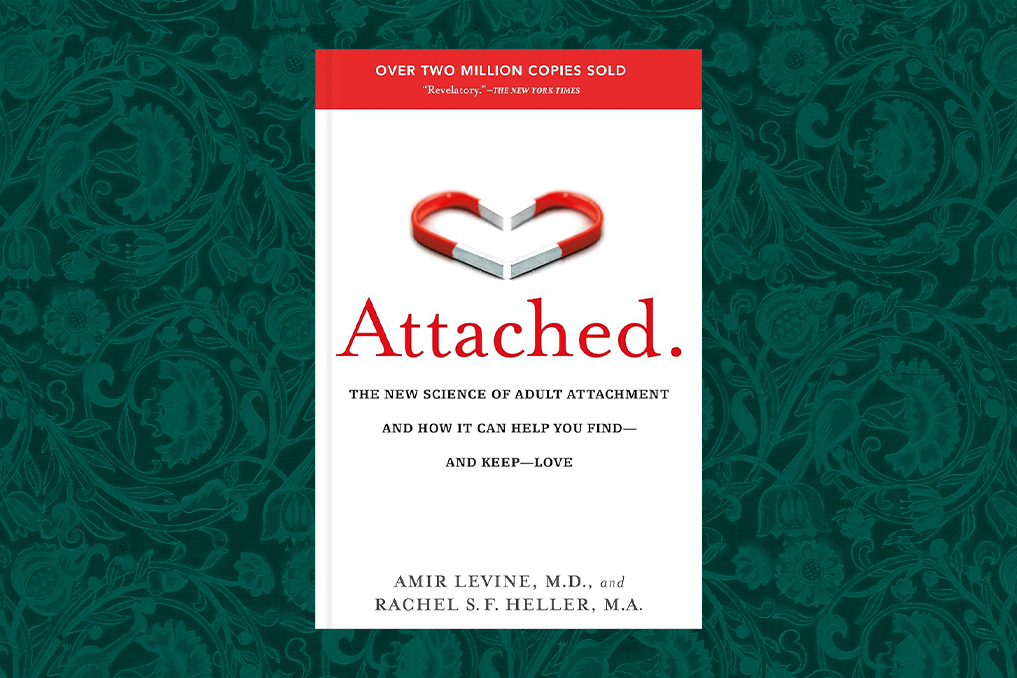
7. Attached: The New Science of Adult Attachment and How It Can Help You Find – And Keep – Love by Amir Levine, M.D. and Rachel S.F. Heller, M.A.
While this book is written through the lens of romantic relationships, your attachment style impacts how you operate in all facets of your life; friendships, your relationship with God, and even what you fear most.
This book explains the attachment styles and how they show up in relationships. Whether you are married or on the cusp of a brand new relationship, an attachment style crash course can help you better understand how you (and your partner) receive and accept love. Think of this as the love languages bumped up a notch.
Related Posts

5 great at-home date ideas
By Grace Porto