Reading George Herbert: A lesson on prayer
Published on February 26, 2026
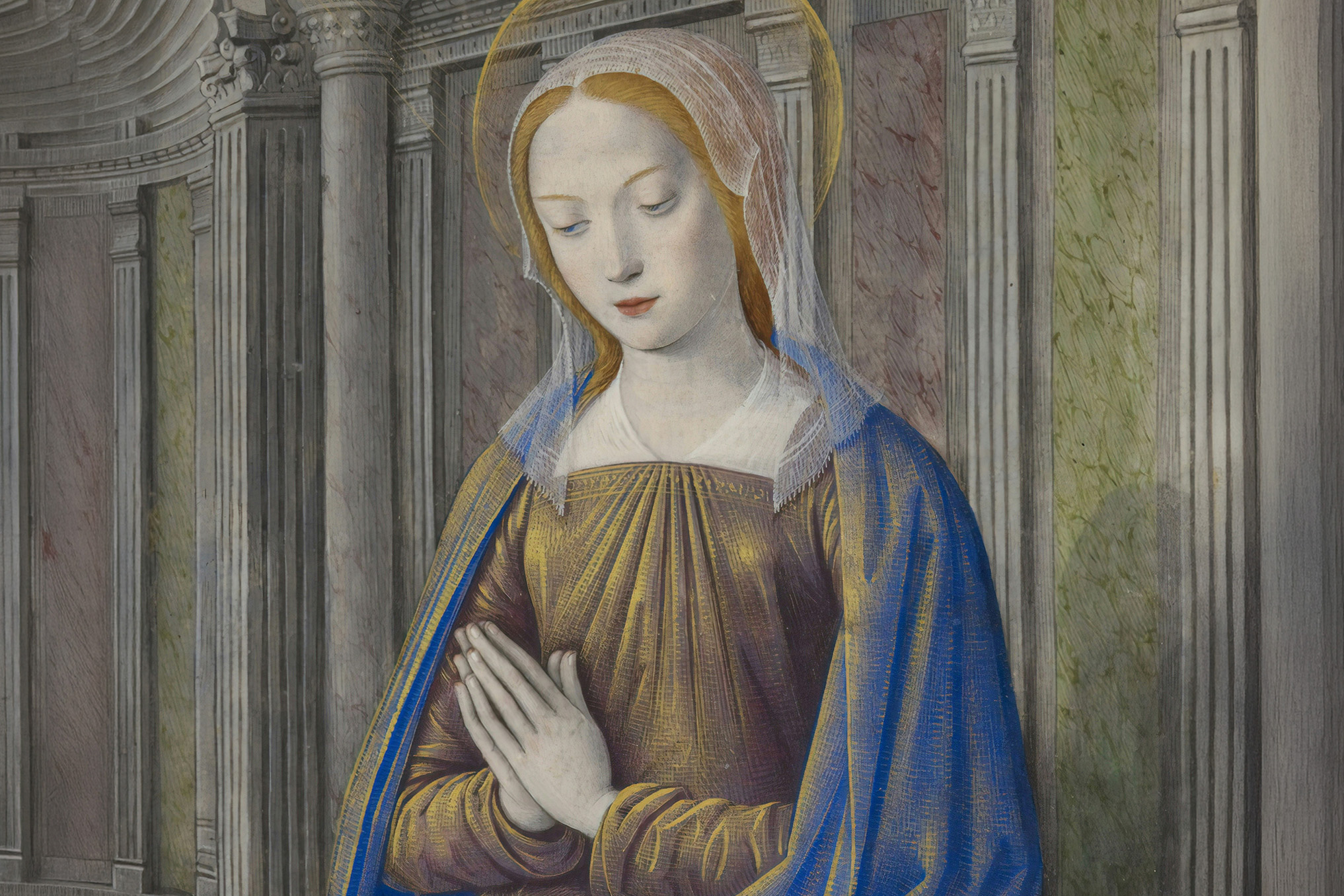
Prayer from the past
The word “prayer” encompasses a multitude of ideas and images. The child kneeling before bed, a mystic who falls into the fire and feels nothing, the man on death row whispering for absolution, a Hail Mary pass — all forms of prayer.
A contemporary of Shakespeare and Milton, and a man of the cloth, George Herbert knew prayer. His poetry, rather than being dry or boring, shows all of the complexity and vibrancy of the spiritual life.
In his poem, “Prayer (I),” George Herbert explores the theme of prayer — good prayer, bad prayer, and all the kinds in between. While complex and at times challenging, this poem can give us a deeper insight into how we are to pray.
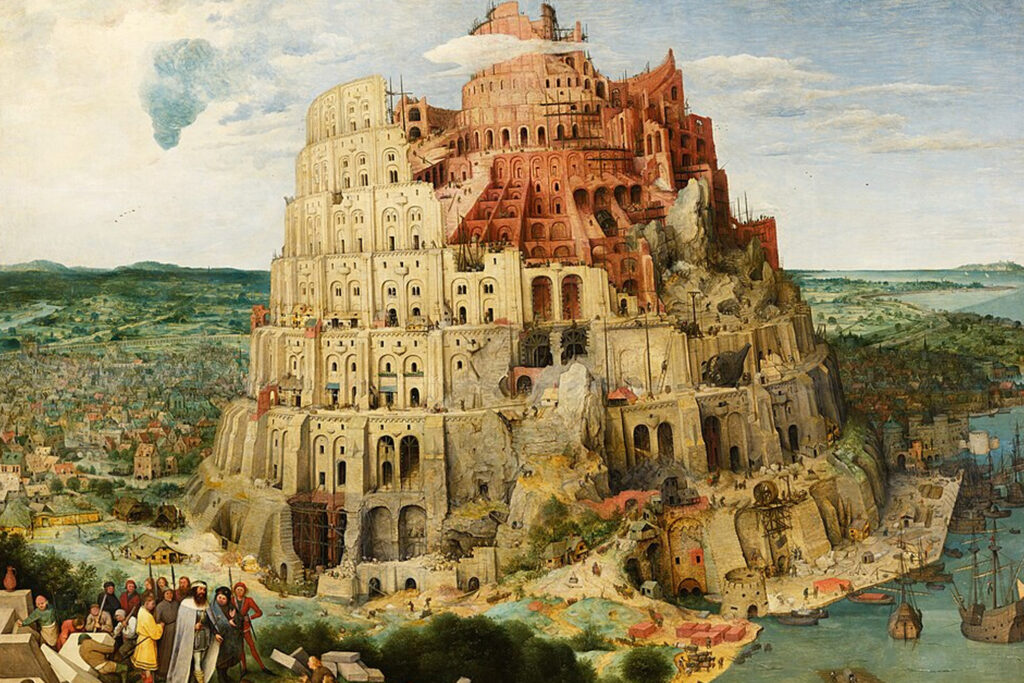
Poor prayer: Old Testament
Herbert’s poem consists of a series of images, all of which, he says, are a kind of prayer. The first bit of the poem is full of beautiful images of the communication between God and man. “Prayer at the Church’s banquet” — the Mass — and “heart in pilgrimage” — our journey through life — are familiar and comforting images. However, the poem takes a turn in the next line:
“Engine against the Almighty, sinner’s tower.”
The sinner’s tower is a reference to the tower of Babel from Genesis, in which the people of God set themselves above Him, thinking they could make themselves like God. The first half of the line suggests that prayer can be used to act against God’s wishes and designs and that man can act in a way opposed to God under the disguise of prayer. The tower of Babel is a prime example of this. Building a tower may be a great achievement, yet it was done so that the people would become like gods and reach the sky on their own power. With relation to the tower of Babel, God answered their prayer, just not in the way they expected.
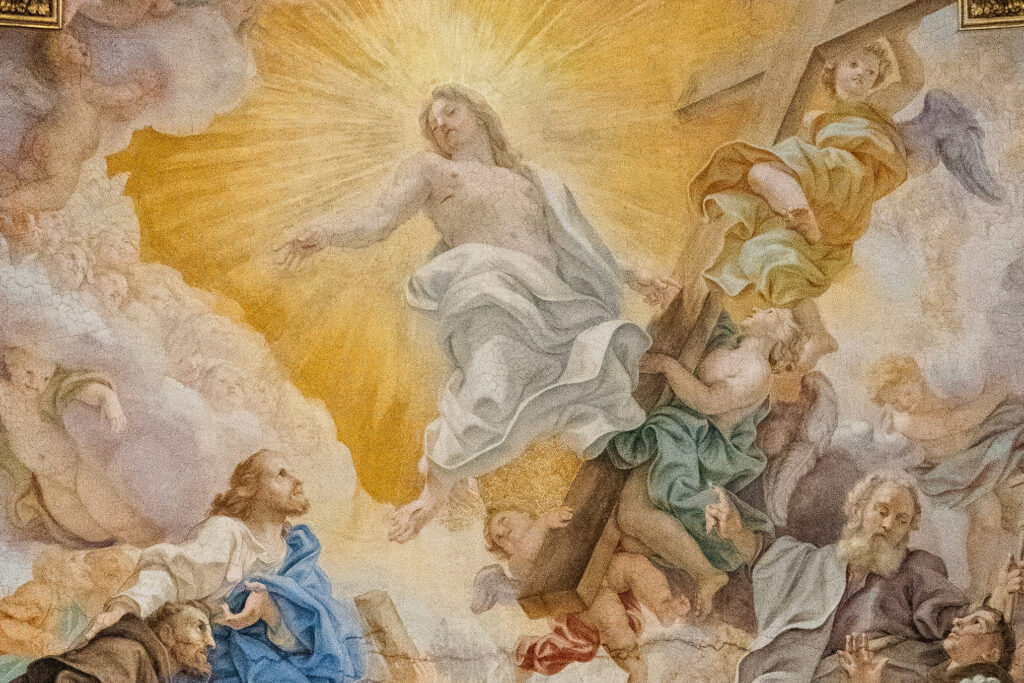
Reversed thunder: New Testament prayer
Herbert next describes prayer as “Reversed thunder, Christ-side-piercing spear.” In this pair of images, he recalls scenes from the New Testament. God used thunder to affirm the words of Christ. “Reversed thunder” would then be a denial of God’s words, which harm Christ just as much as the spear that pierced His side. Christ offered Himself to us, and the world crucified Him. Then, just to make sure he was dead, the Centurion thrust a spear into His side. The reverse thunder would be confirmation of an evil. Yet, God uses the spear in the side of Christ to give mercy to those who harmed him.
The next line, “The six-days world transposing in an hour,” is a reference to creation. To transpose that creation would be to put it in a different key — to recreate creation in man’s own image and to do so within the span of an hour. This line presents the kind of prayer which demands that God do things our way. It is representative of those prayers we offer, in which we demand “in an hour” for God to change His plans which have been laid in place for us since the beginning of time. Yet God hears these prayers too, though again, He may not answer them in the way we hope.
“A kind of tune, which all things hear and fear;” is the last line of this backward stanza. It calls this improper prayer “a kind” of music, which affects all those who hear it. Just as the tower of Babel affected all its builders, just as the spear in Christ’s side affected the Centurion and all around him, so too our perverse and selfish prayers affect those who hear it.
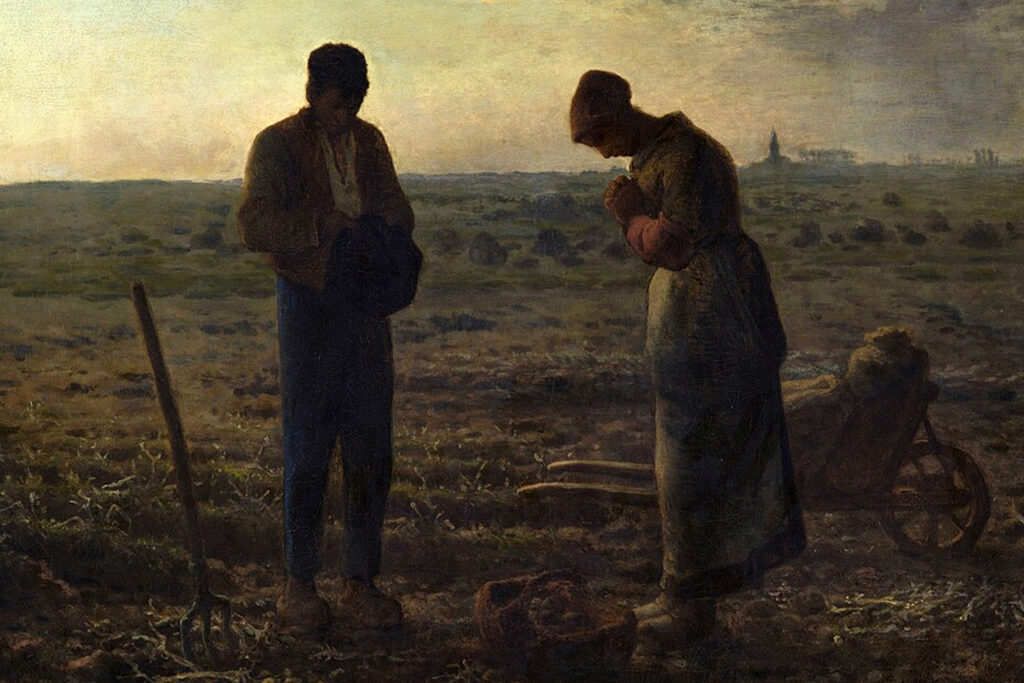
Grace given and received
Following the stanza about prayer wrongfully said, Herbert explores prayer said rightly. Images like: “softness, and peace,” “exalted manna,” “man well drest,” teach the reader just how beautiful rightly said prayer is. Yet within this stanza the rhyme scheme goes crooked, shifting from the regular Shakespearean Sonnet scheme: ABAB, CDCD, to EFFG.
Why would Herbert make this section, which describes the perfection of prayer, have a rhyme scheme so perverse for the form that he chose?
I believe Herbert is subtly stating that even prayer described in such terms as “the milky way, the bird of Paradise” is not really the perfect depiction of prayer. All the images he uses in this stanza are items or graces given to us by God, and prayer is something more than a gift from God. It is both the words of man and God’s response. It is “God’s breath in man returning to his birth.”
Something understood
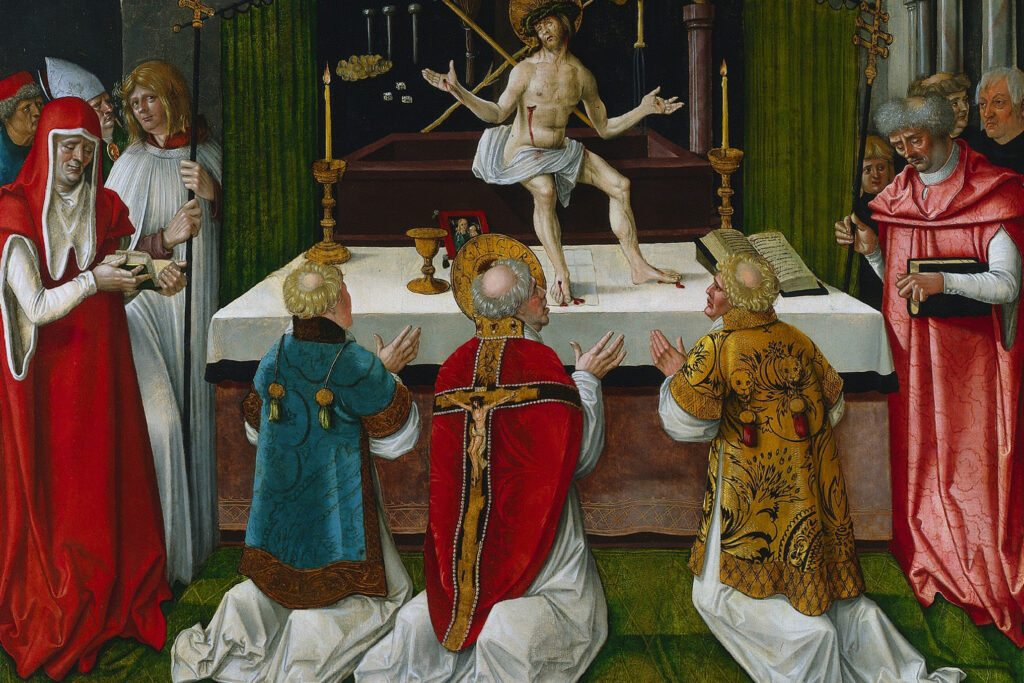
Herbert’s true message lies in the final couplet. “Church-bells beyond the star heard, the soul’s blood, / the land of spices; something understood.” Each image is carefully placed to remind the reader of the participation of both God and man in prayer. Church-bells, especially during the 1500s, were used to communicate that it was time to pray. They would call people to pray the Angelus at 6 a.m., then again at noon, then again at 6:00 in the evening. They would ring to call people to come to the church for Mass. They would ring to tell people of the village that someone had died. In this poem, the Church-bells are the voice of God from “beyond the stars” being heard by man. Or, conversely, the bells are the voice of man reaching out to God.
“The soul’s blood,” is a paradoxical image, reminding the reader that man is both spiritual (soul) and physical (blood). Man’s prayer will always be imperfect because men as created beings are imperfect. “The land of spices” references India. The journey to India from Europe was often treacherous and difficult, yet the return was immense. Likewise, prayer requires effort from us, but offers ample return.
The final line: “something understood,” is the heart of this poem, and the answer to the question Herbert is trying to answer: What is prayer? The poem gives 26 separate images of what prayer is, and this final line is Herbert’s conclusion: the true answer. Herbert is saying that no matter how one prays God hears. God understands. The greatest mystery of God is that he became man in order to understand His creation. God too, has “the soul’s blood.” God too, has prayed.
With all this in mind, here is the full poem by Herbert:
Prayer the church’s banquet, angel’s age,
God’s breath in man returning to his birth,
The soul in paraphrase, heart in pilgrimage,
The Christian plummet sounding heav’n and earth
Engine against th’ Almighty, sinner’s tow’r,
Reversed thunder, Christ-side-piercing spear,
The six-days world transposing in an hour,
A kind of tune, which all things hear and fear;
Softness, and peace, and joy, and love, and bliss,
Exalted manna, gladness of the best,
Heaven in ordinary, man well drest,
The milky way, the bird of Paradise,
Church-bells beyond the stars heard, the soul’s blood,
The land of spices; something understood.
Related Posts
The non-sewers’ guide to All Saints’ Day costumes
By Grace Porto
How JP2 teaches us the concept of healthy leisure
By Ava Cilento

Accessorizing 101: How to mix and match colors and textures
By Jessica Nardi

Custody of the eyes
By Rosie Hall
How prayer changes from that of an innocent little child and undergoes metamorphosis through our lifetime. Starts out so simple, grows in complexity thinking this is better. Then becoming bold, seeking to mold our desires, even those we know are evil, into an accommodating , comfortable state. Prepare for the fall! Recognition of folly, regret, painful soul searching. We start to build again. Humbled , corrected, chastised, our prayer changes .kindness and love enter in. God. Becomes central. Our Savior touches our hearts. We long for the good, the mercy we desire. Life returns to the soul. Our desires are not only ours, but the Lord himself guides us to let His will be done!