What I’ve learned from watching cooking show throwbacks
Published on October 25, 2026
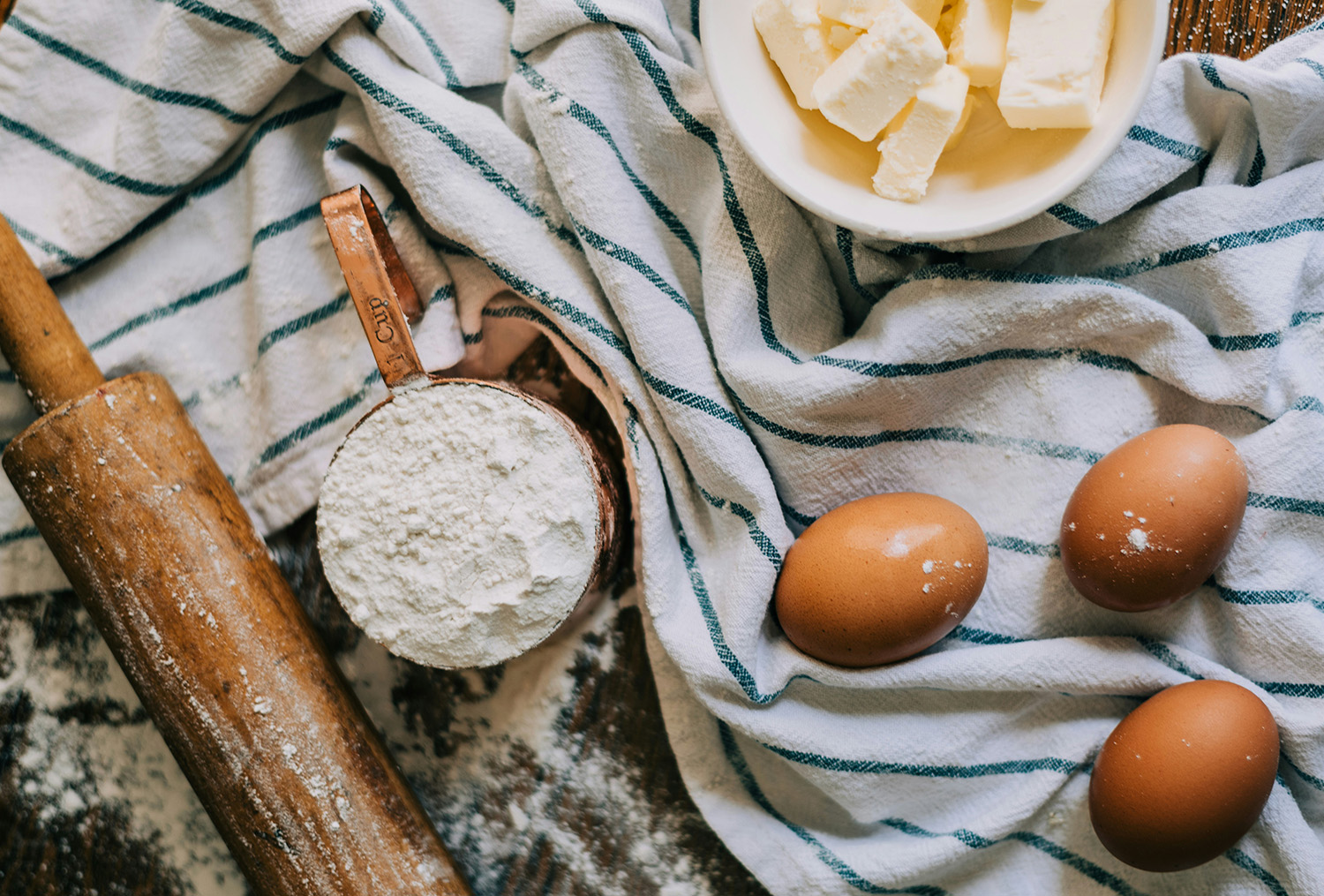
In an era dominated by flashy 15-second recipe reels and high-stress culinary showdowns, modern food media often feels more like sensory overload than dinner inspiration. Food Network, once a cozy haven of instruction, has largely pivoted to cutthroat competition, frantic jump cuts, and manufactured reality-show drama.
Lately, on crisp, gray afternoons when autumn rain taps the windows and the dinner rush looms, I’ve found a restorative antidote: the gentle, charming world of throwback “slow TV.”
It turns out that revisiting vintage cooking broadcasts from the 1990s and early 2000s — from the dynamic duo of the mother of television cooking Julia Child and the French cooking legend Jacques Pépin in “Cooking at Home” to the infectious exuberance of Emeril Lagasse in “Emeril Live” and “The Essence of Emeril” — has plenty to teach us about hospitality, home economics, and rediscovering joy in our own kitchens.
Kitchens full of life, (beyond sterile showrooms)
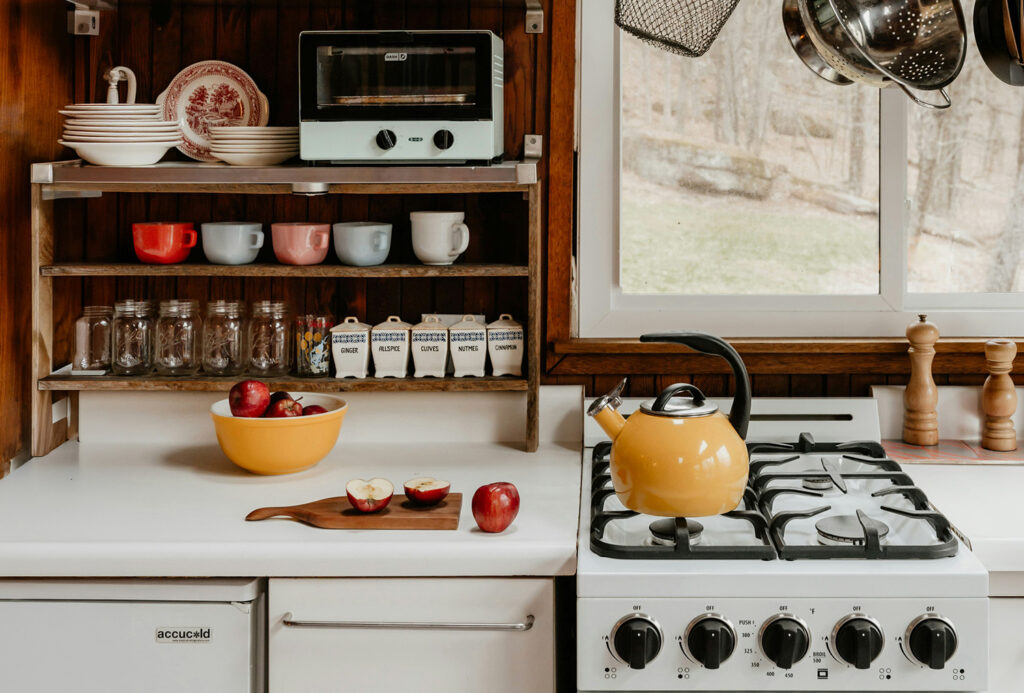
The first thing you notice when revisiting older cooking shows is the warmth of the spaces. For the past decade, home design has been gripped by sterile, almost clinical aesthetics: gray cabinets, all-white or black waterfall marble, and completely concealed appliances on vast empty counters. While there’s certainly something to be said for minimizing clutter, a kitchen is supposed to be a hands-on center for nourishment and revitalizing the soul, not an untouchable showroom.
Throwback sets, by contrast, were working spaces bursting with character. Beginning in the 1960s when Julia Child first launched the genre of television cooking, her iconic TV kitchen sets were never monochromatic beige boxes, and evolved over the years to always be a cool-toned haven of soft greens, warm cream, blue-gray accents, and cheerful pops of red. Jaques Pepin’s sets felt warm, cozy, and bright. Emeril’s early studio kitchens were simple, but grounded in natural wood and functional stainless steel, while his later sets paired lively, of-its-time modern flair with Old World rustic charm.
Pots hung within arm’s reach, baskets or pottery held fresh produce, and butcher blocks bore the scars of actual use. Beautiful dishes and crockery weren’t locked away, but used for mixing and serving. Color, texture, and honest utility are what truly make a house feel like a home, and it’s lovely to see that on display.
Classic technique, real butter, and charming banter
Nowhere was the craft of cooking more delightful than in Julia and Jacques Cooking at Home. Watching two world-class French chefs share a stove is pure magic. Their relationship was built on mutual respect, playful debate, and down-to-earth comedy; miles away from the high-decibel countdown timers of today’s cooking competitions.
Together, they demystified classical cuisine for the everyday home cook. With a little patience and practice, techniques like clarifying butter, rolling a classic French omelet, or making a pan sauce suddenly felt entirely achievable.
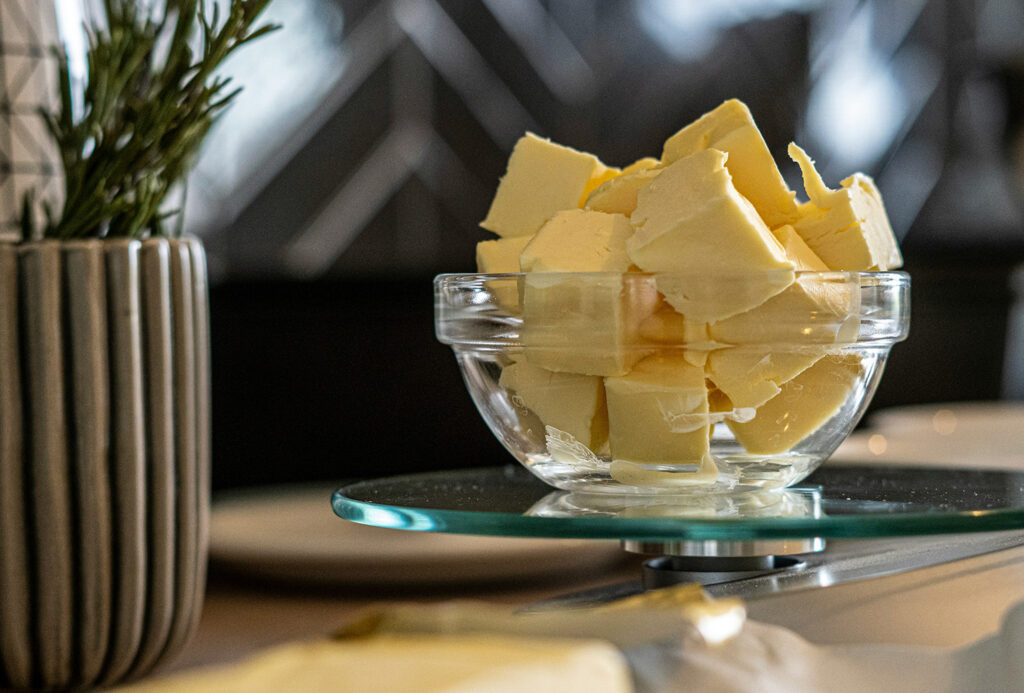
Crucially, they were completely unashamed of real food. As the wellness world began cycling through trendy diet substitutes and powdered spice packets, Julia and Jacques cooked with full-bodied, honest ingredients: cream, butter, sugar, rendered animal fats, and mountains of fresh herbs and aromatics.
Yet, Julia famously balanced this indulgence with wisdom, preaching the virtue of enjoying rich, delicious meals in mindful moderation. They also gave airtime to classic slow-cooked dishes that may not be trending on TikTok today but remain deeply nourishing and worth a try in our own kitchens.
Larger-than-life flavor and generous hospitality
Growing up, I watched Emeril Lagasse flambé or chop mountains of garlic with wide eyes. Now reintroducing his shows to my own kids has been an absolute treat. Long before culinary shows became overly scripted and intense, Emeril Live was an authentic, joyful celebration of humanity’s shared love of good food.
Between his dynamic live studio band and famous catchphrases (“Kick it up a notch!” and “Bam!”), what stands out most was the warmth of both Emeril and his audience, a gathering of people of all ages, backgrounds, and cultures.
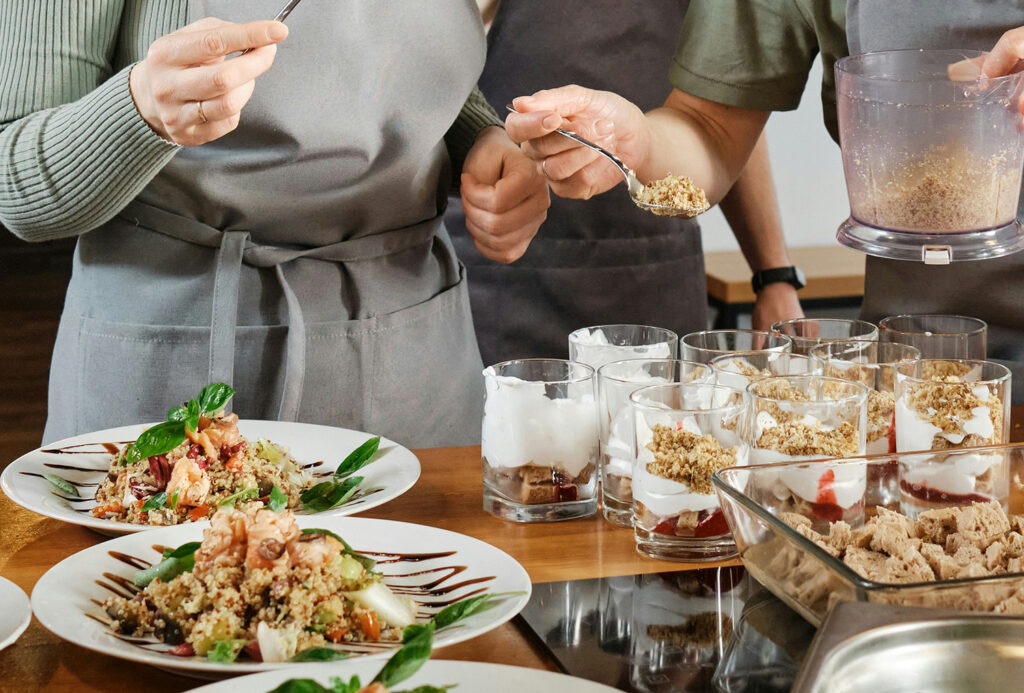
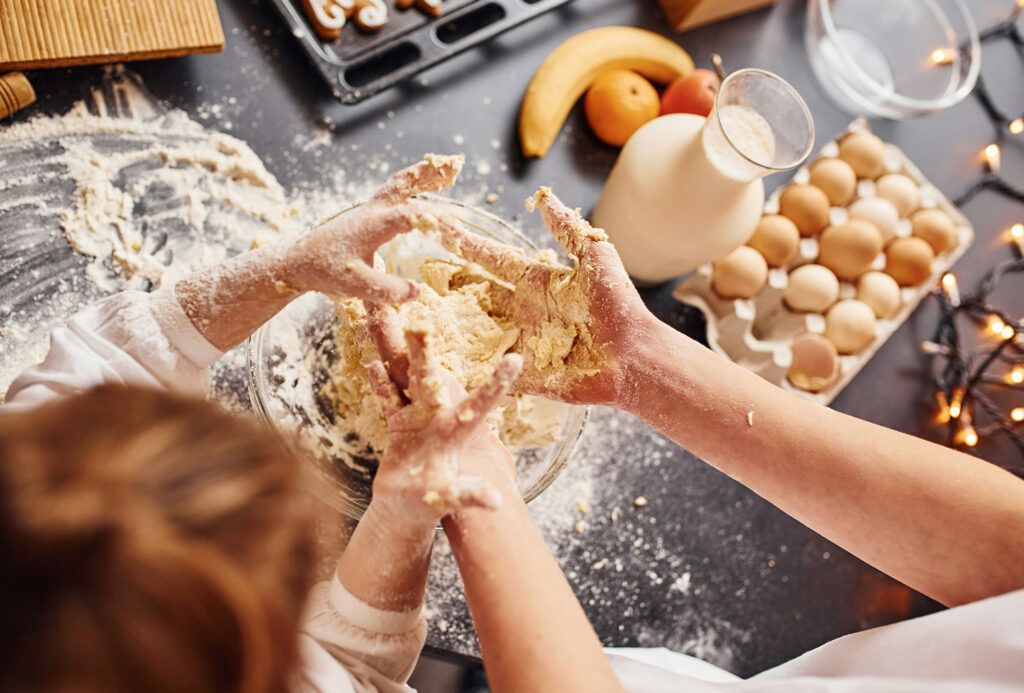
Emeril took complex Creole and restaurant-level dishes and translated them into accessible, affordable weeknight meals. He showed viewers how to prep methodically, plate beautifully, store the leftovers and reuse kitchen scraps. For children, it offers fun, wholesome, and captivating entertainment that introduces them to culture and flavor without the frantic overstimulation of modern shows.
The freedom of the imperfect home cook
In our current social media culture, home cooking is paralyzed by the pursuit of the flawless, curated “money shot.” These classic shows offered the opposite: They were simply human.
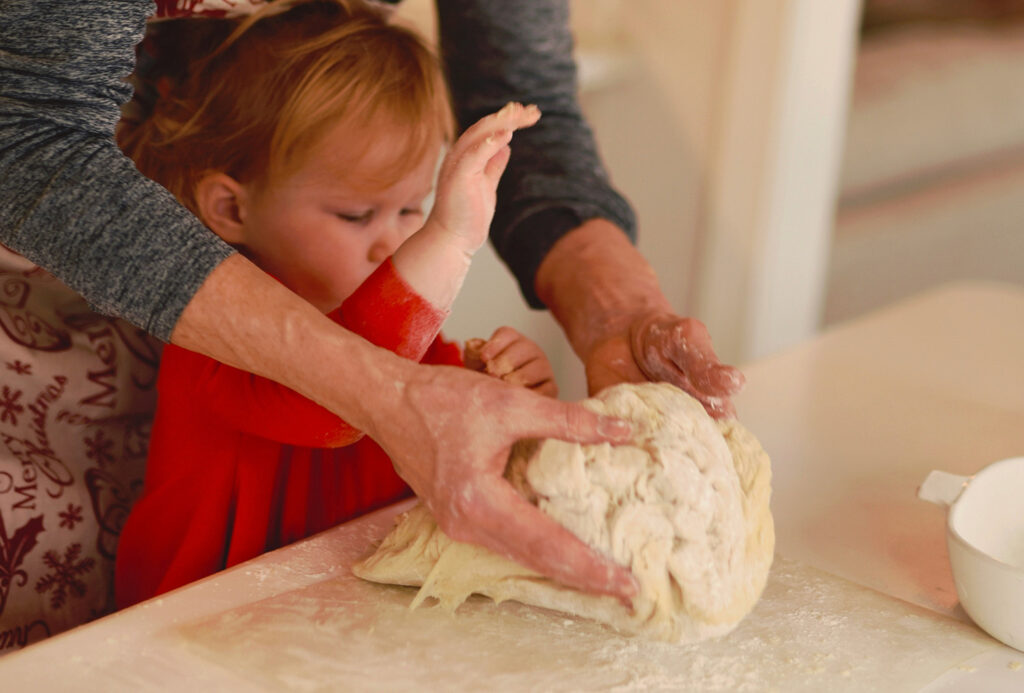
Julia taught viewers that rigid adherence to a recipe isn’t what makes the best cooking; intuition, tasting, and adjusting often make the magic. And watching Emeril accidentally break a delicate tart shell on live television is priceless. He didn’t panic or cut to commercial; he laughed and kept moving to patch it together. If he flubbed a plating job, a fresh sprig of mint (or five) or an extra liberal drizzle of sauce saved the day. Seeing world-class chefs adapt with humor and poise is wonderfully liberating for anyone standing over a weeknight stove or prepping for guests.
A recipe for intentional living
Revisiting these slow television classics does more than solve the 5 p.m. “What’s for dinner?” dilemma. Whether you turn on an episode solo while chopping onions on a slow weekday afternoon or gather the family on a relaxing Sunday evening, it reorients our posture toward considering what truly makes a home.
Preparing food is a wonderful craft to be practiced, a celebration of good ingredients, and a daily opportunity to host the people we love with generosity, big flavor, and a peaceful heart.
Related Posts

10 non-candy tricks and treats
By Brittany Makely
Miso Roasted Butternut Squash
By Calista Boskus

The non-sewers’ guide to All Saints’ Day costumes
By Grace Porto

How JP2 teaches us the concept of healthy leisure
By Ava Cilento