The Return of the Landline
Published on August 10, 2026

Nostalgia for the 1990s reaches far beyond fashion trends; screentime’s threat to the innocence of childhood has parents looking back wistfully at the slower pace of life they experienced in their own upbringing.
While it may seem inevitable that every child will end up with a smartphone in their hands, there is another way. Parents are taking a stand and choosing a lifestyle for their children and themselves that is less connected to today’s consuming technologies. In many of these households, the landline is making a comeback.

Always accessible
The advent of the cell phone made it possible to be reached anywhere. In many ways, this was a technological marvel that could only make life safer, happier, better. In a car accident? Call for help! Running late? Send a quick text. The ability to always be accessible was supposed to make life easier.
But, years into constant accessibility via phone and social media, are we safer, happier, better? Many researchers and social psychologists would argue not. Some would even say this constant access to technology and social media is detrimental to human flourishing.
Humans are created for connection that is personal and authentic. Relationships siloed to screens fall flat. Thankfully, the culture is beginning to emerge from the blue light-induced fog, and many are unhappy with the pull technology has on them. They are looking for a way to live in a modern world and be accessible to those who need them sans a life of addiction to their phone.
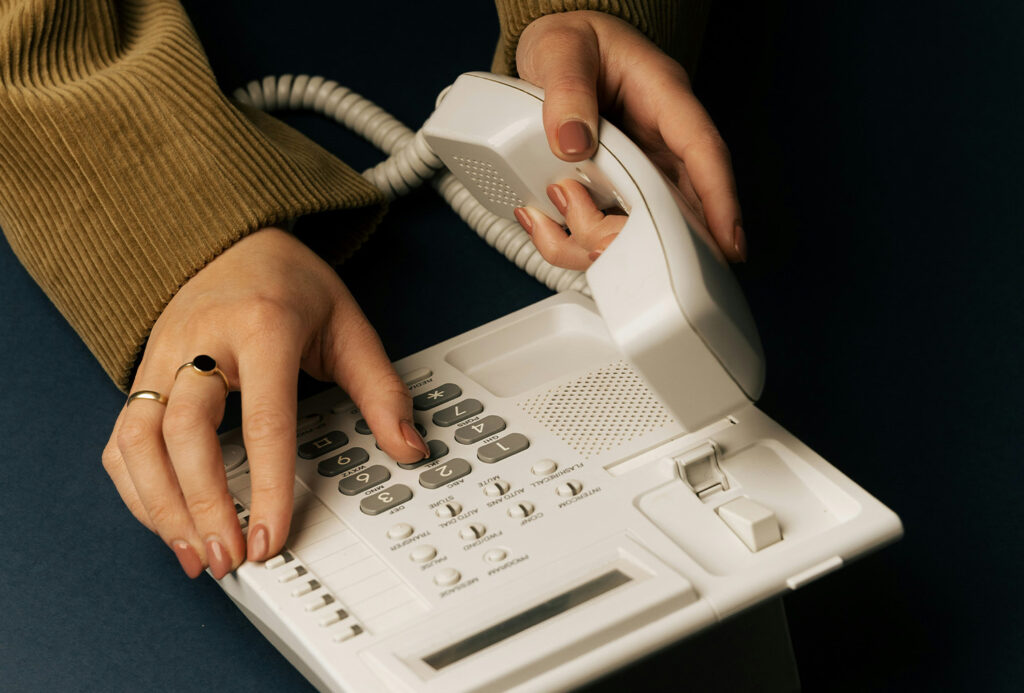
The landline is one answer.
Accessible-ish
When a cell phone became “smart,” it went from being a phone in your pocket to a computer. Suddenly, one went from being available to the 20 or so people likely to call you to being reachable to hundreds, even thousands, of people every day via multiple different platforms.
The landline is a strong defense against this colossal and crippling accessibility. With a landline in the home (and your cell phone put away) only the most important messages will get to you. Your spouse and the kids’ school will still be able to reach you, but the text notifications from 10 different group chats and emails about the can’t-miss summer sale will go unnoticed until you are ready to sift your way through the noise.
Is the noise all bad? Certainly not. Memes from your best friend are hilarious and a text message asking for prayer is important. But constant accessibility does not come without sacrifice. And numerous households are coming to realize that the constant accessibility is just not worth the cost.

Incorporating a landline into your life
For most Americans, getting rid of cellphones completely is not realistic. Cellphones are great for car trips and on-the-go communication, not to mention daily work and office communications. Home, however, is where screen freedom can be embraced.
The first step is, of course, securing a landline. Companies like Magic Jack and Tin Can are great options for those that don’t want to install new landline cables or work through their home internet provider, which can get pretty expensive.
The tough part is detaching from the cell phone. Some ideas to cultivate detachment include keeping one’s cell turned off in a drawer, having a few check-in times with it a day, and leaving it in the car so it’s truly only used on the go.
Not ready to go full landline? Use your cellphone as an “in-between” by securing the cellphone to a designated spot while at home. Use a tether to help overcome the habit of walking around with the cellphone. Amazon is full of fun and stylish bluetooth phones (rotary dialer, anyone?) that can connect to your cellphone while it is safely stored in a cabinet or drawer, so that it operates like a landline phone, rather than a pocket computer. Additionally, the Brick device is helpful to limiting distractions by disabling certain cellphone features and applications that compete for your attention. With these resources and your intentionality, a cellphone can operate as a landline.

A landline and kids
Children are big fans of the landline. It provides them the independence to make their own calls while still protecting them from the screen addiction. They can pick it up to call grandparents or their friends down the street. It’s a simple interface, with audio only, so your kids can concentrate on talking to the other person on the line instead of being mesmerized by the touch screen. And since the landline will likely sit on your kitchen counter or living room, it’s easier to keep an eye on your kids while they use it.
Remember, strength is in numbers. In our neighborhood, the landline is gaining traction and becoming a popular tool for communicating with friends. Children call their friends and make plans for a playdate or ask questions about homework for school.
A landline is a great line of defense against the grip of the digital world for children and adults alike. Here’s to living freely in 2026! Before you know it, you’ll need a phone book!
Related Posts

No time for sourdough? 3 easy homemade bread recipes to try instead
By Jessica Nardi

5 ways to be a gracious wedding guest
By Rose Church

24 hours in Assisi
By Rosie Hall

Weeknight decadence — Creamy Goat Cheese Pasta
By Calista Boskus