Sacred art in an artificial world
Published on August 22, 2026
Until the last decade, “artificial intelligence” seemed reserved for the far off future potentiality. Now, it’s here. In work places across the globe, AI is used for optimization, efficiency, and shortcuts to automate simple tasks. It sounds harmless and helpful enough, but the underbelly of AI is coming for Catholic entrepreneurs. The jobs that are most at risk may be the most human ones: local Catholic artists who create sacred art.
Man versus machine and the art that follows
Lindsey Trezza, wife, business-owner, and mother of three founded JustLovePrints. It’s a one-stop shop for stickers, greeting cards, and even fun, downloadable crafts, like pumpkin carving templates.
In an Instagram post on June 17, 2026, Trezza, along with four other Catholic makers, posted about a devastating reality artists are facing as AI-generated artwork is taking over the marketplace, or even worse, stealing the intellectual and artistic property of humans.
Trezza shared personal direct messages she received from her Catholic entrepreneur and artist friends. One was a freelance graphic designer, photographer, and illustrator for over 34 years. In 2026, their business “plummeted” and one of their clients admitted to “feeding ChatGPT previous ads and marketing materials” from this maker. They weren’t the only one.
Teacher and author Katie Bogner alleged that her All About Lent book concept and cover design illustrated by Shar Van Vranken was lifted by AI and sold on Amazon.
“It was so disheartening to have readers contact me asking if we had put out a ‘new’ version of the book,” Bogner confided in Trezza over a DM.
“It’s been so challenging in the world of writing and app design, too,” Mary Haseltine, author of Made for This: The Catholic Mom’s Guide to Birth, wrote. “These are some of the most INTIMATE and deeply human topics and experiences! Utilizing robots and cheap AI garbage that steal our words and work is so unjust and degrading, not just to us, but to human dignity and God’s design.”
The moral implications of AI
Fake sacred art has even leached into my own Pinterest feed. AI-altered videos are present in commercials; in 2025, Guess even used an AI-generated model in Vogue magazine. The comment section of Trezza’s post echoed the shock, frustration, and concern of the entrepreneurs themselves, but also those watching AIgrow at-large.
“Honestly, AI is an addiction at this point, and we need to treat it as such,” wrote Instagram user jacrolek on Trezza’s post. “There is this gluttony of using AI for everything, especially resorting to thievery.”
In an attempt to optimize, AI risks stripping away the very things that make us human: the ability to choose the good, recognize the truth, and be active participants rather than passive onlookers in the world around us. The danger is that we won’t turn to God or others, but to a machine to outsource our thinking and even our conscience. Pope Leo warns against the anti-human sentiments of AI in his first encyclical Magnifica Humanitas.
Underscoring key differences between AI and human experience, Magnifica Humanitas emphasizes, “Artificial intelligences do not undergo experiences, do not possess a body, do not feel joy or pain, do not mature through relationships, and do not know from within what love, work, friendship or responsibility mean. Nor do they have a moral conscience…They may imitate or even simulate, but they do not understand what they produce, for they lack the affective, relational, and spiritual perspective through which human beings grow in wisdom.”
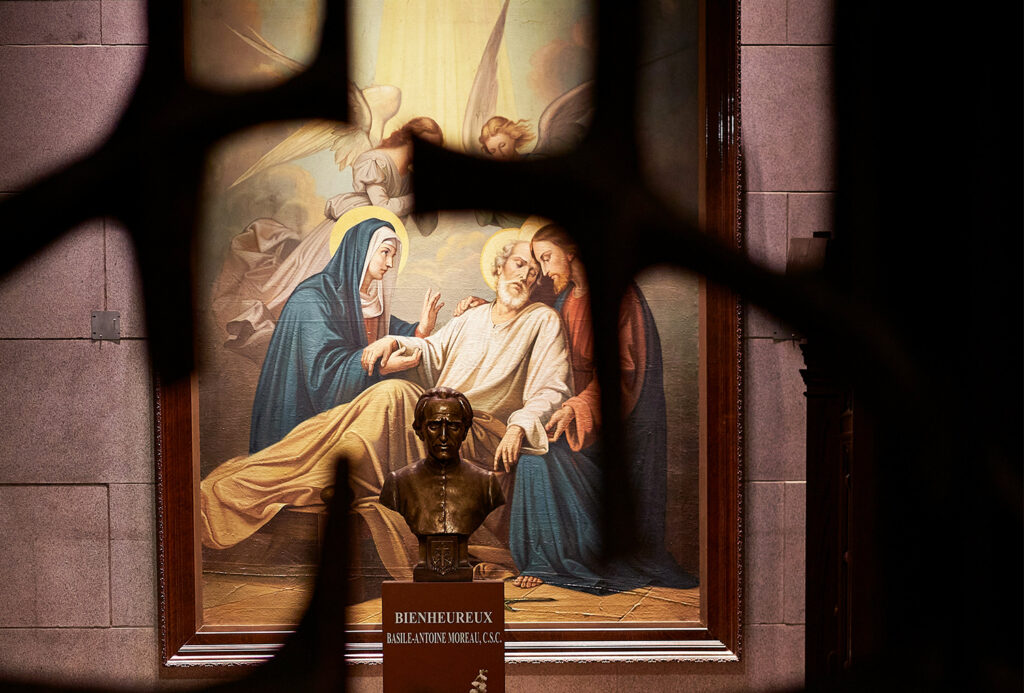
What sets sacred art apart?
Art is incredible because of how it embraces and reflects the human race’s sacred likeness of God as creator. To see a live performance, observe a painting take shape, or even watch a child doodle is a spiritual experience because God is the Creator and we are made in His image and likeness.
In a similar way, sacred art is set apart by its purpose. The Catechism of the Catholic Church paragraph 1192 teaches, “Sacred images in our churches and homes are intended to awaken and nourish our faith in the mystery of Christ…Through sacred images of the holy Mother of God, of the angels and of the saints, we venerate the persons represented.”
I’d argue that this teaching cannot be upheld if a machine created by man, not God “makes” art. In his 1999 Letter to Artists, St. Pope John Paul II explains that there is “an ethic, even a ‘spirituality’ of artistic service, which contributes in its way to the life and renewal of a people” towards God and towards others. If anything, AI-generated “art” is a fallacy.
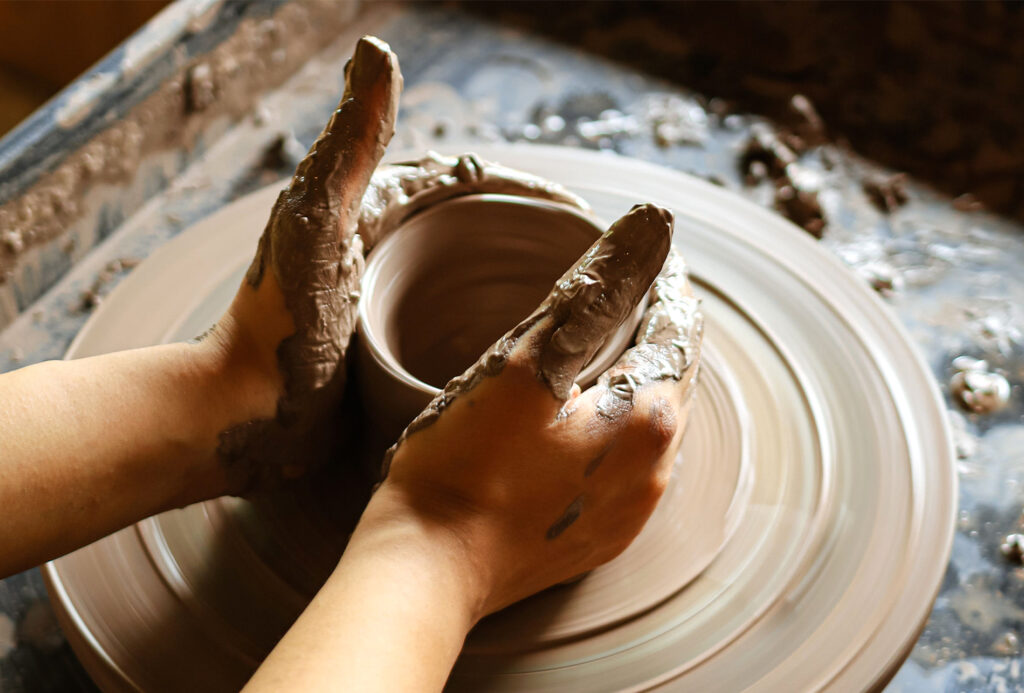
How you can be part of the solution
- Pray, hope and don’t worry. God has the victory over our humanity already and is far more powerful than any machine!
- Do your research to support Catholic entrepreneurs. Check out these Catholic subscription services to get started.
- Use AI for support in the creative process by generating ideas rather than the partial or final products. It can still be a helpful tool, used responsibly and morally.
Art’s beauty is innately spiritual. We are attracted to the beauty of art because it shows and reflects to us the truth, beauty, and goodness that God has implanted in all of His creation. As He declared all the things of the earth “good,” God called the human person alone the imprimatur of “very good.” We must remember that only with us human beings, God shares His own creative power.
Related Posts
Small habits that add whimsy and joy to your day
By Johanna Duncan
3 overnight oat recipes for on-the-go mornings
By Calista Boskus
Masculine provision: Be the man your family can count on
By William Nardi