Prudence: The missing key in the mommy wars
Published on March 28, 2026
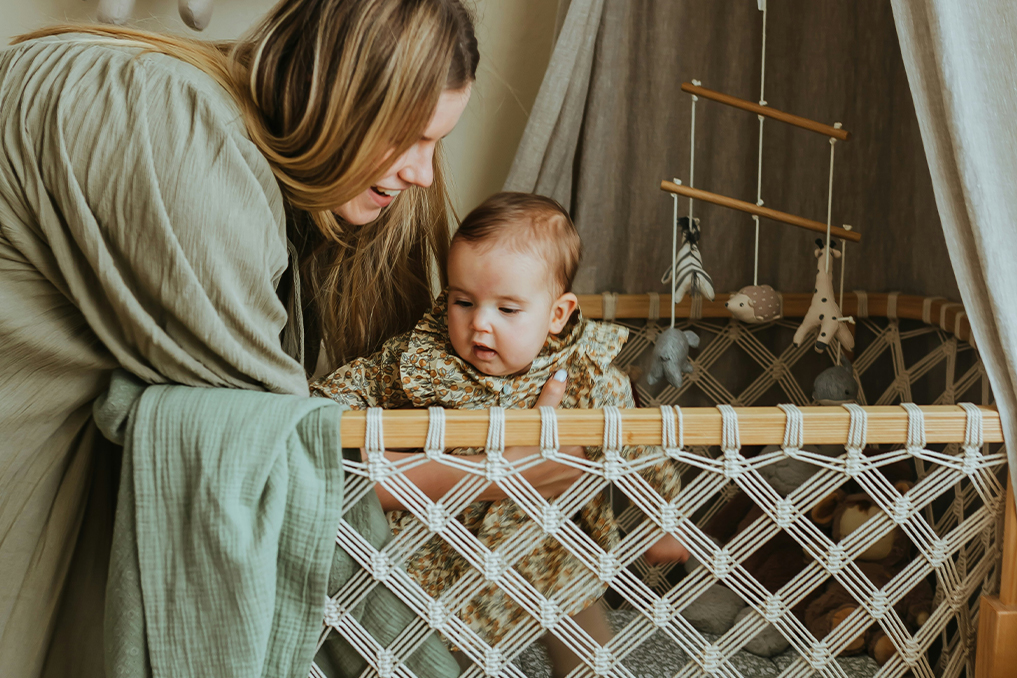
In modern culture, social media has become the new market square where ideas are shared, promoted, and debated. For young moms, however, it is rapidly replacing the traditional wisdom once passed down by mothers, grandmothers, aunts, and neighbors. Today, many moms turn to Instagram reels and YouTube videos with questions about feeding, sleep, and infant safety.
In my own forays into the mommy wars on X and Instagram, I’ve noticed a ridiculous overuse of the word “abuse.” I’ve seen moms claim that crib sleep is abuse, that requiring a car seat is abuse, and that any form of physical discipline is abuse.
The internet is hardly conducive to productive arguments. But these extreme opinions share a deeper problem: They ignore prudence, the virtue that enables parents to make wise decisions for their families.
Alongside justice, temperance, and fortitude, prudence is one of the four cardinal virtues that shapes the moral life. Ancient philosophers and the Church Fathers even call prudence the virtue that guides the rest.

What is prudence?
The Catechism of the Catholic Church (1806) defines prudence as “the virtue that disposes practical reason to discern our true good in every circumstance and to choose the right means of achieving it.”
The Catechism also calls prudence the “charioteer of the virtues” because it directs the others. But what does that mean in practice?
The Catholic moral tradition, rooted in the Scholastics, teaches that virtue lies in the mean between extremes. The opposite of courage, for instance, is not only cowardice but also recklessness.
Prudence is the virtue that evaluates the concrete details of a situation and shows us how to act well. A courageous and prudent man who witnesses a fight at a bar may feel called to defend the weaker person. But prudence helps him determine how — whether by physically intervening, calling for help, or de-escalating the conflict.
At the same time, prudence accounts for personal circumstances. While it may be prudent for some men to intervene in a public fight, it would not be prudent for a pregnant woman to do the same.
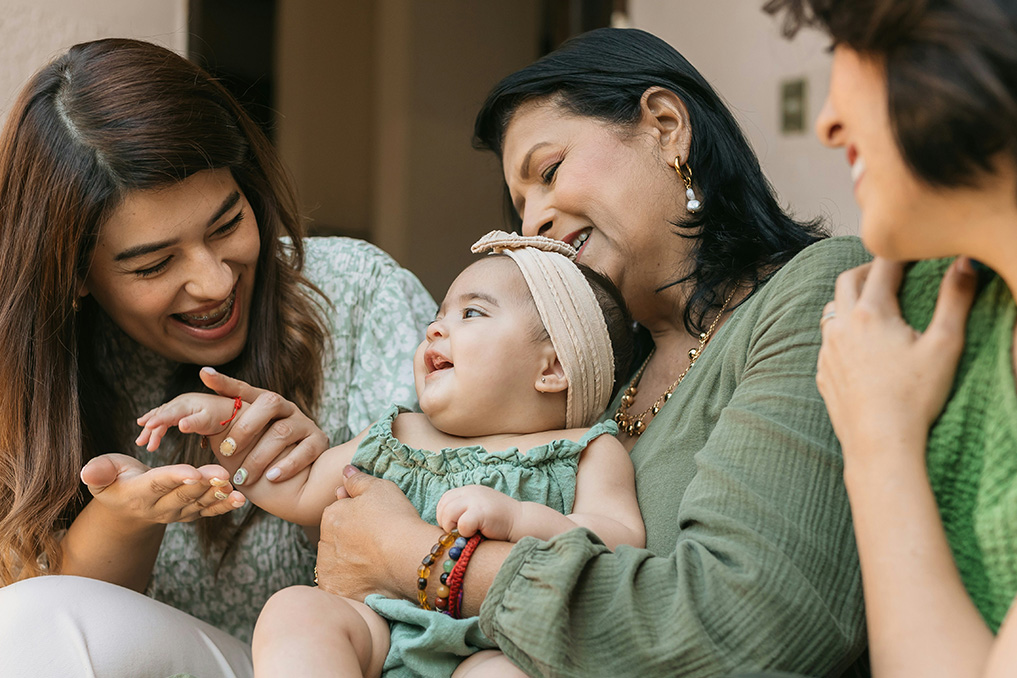
Can you outsource prudence?
In the Nicomachean Ethics, Aristotle argues that it is difficult, if not impossible, for the young to be fully prudent, since prudence grows from lived experience.
Many first-time moms know this feeling well. Sleep struggles, discipline questions, and picky eating can be overwhelming when you have no prior child to give you a sense of what’s normal.
The implication is that those without experience must, to some extent, borrow prudence from the wise. Aristotle even notes that we should listen carefully to the judgments of experienced people, sometimes as much as — if not more than — those offering technical demonstrations or expert credentials.
“Men of age and experience,” Aristotle wrote, have “a faculty of vision which enables them to see correctly.”
In practice, that often means seeking advice from your mother or grandmother, a trusted pediatrician, or a mom who has raised several children. I learned this lesson the hard way.
Before the birth of my first child, I was assured by some other young moms that unmedicated birth “isn’t that painful.” Crunchy forums online told me the same: Just breathe and visualize waves.
But when I asked a friend who had five unmedicated births, she gave me very different advice.
“Well, at some point you’re probably going to feel like you’re going to die,” she told me. “But you’re not going to die, and everything will be just fine.”
She also spoke about the spiritual fruit of offering that suffering to Our Lord and how, even 10 years later, she was still benefiting from the graces she received.
As it turned out, I had an unusually long and difficult labor (and eventually chose an epidural). But during the most intense moments, I remembered her words. Because I knew the pain was normal, I was far better prepared to endure it than if I had gone in expecting very little pain at all.

You’re the only expert on your child
While young moms often need guidance from experienced voices, there are only two real experts on your child: you and your husband.
Prudence requires understanding the concrete particulars of a situation, and parents know those particulars best. You know your child’s temperament, strengths, sensitivities, and the realities of your home life.
Only you can ultimately decide where your baby should sleep, how to introduce solids, or what educational path fits your family.
The Catechism (2221) affirms this clearly: “The right and the duty of parents to educate their children are primordial and inalienable.” That responsibility extends to the many practical decisions of daily family life.
The sacrament of marriage also provides real graces for the work of parenting. Parents can trust that God will give them the clarity they need to discern what is best for their children.

False teachers … or just anxious moms?
There is real danger in outsourcing too much of our decision-making — whether to online experts or to loud voices on social media who insist their method is the only acceptable one.
Some popular voices operate from worldviews fundamentally at odds with Christian anthropology. Others simply lack the experience their confidence suggests.
But there is another group worth noticing: young moms online who harshly judge any parent who makes different choices. They span every political and religious camp. Often deeply sincere, they nevertheless insist that the wrong sleep setup, vaccine schedule, or feeding method will permanently damage a child.
In many cases, these moms are relatively inexperienced parents themselves. Their certainty often reflects not wisdom but anxiety — the understandable fear that if they do not make the perfect choices, their child will suffer.

Learning to trust
As Christians, we are not called to parent from fear but from love rooted in confidence in God’s goodness.
Yes, we must exercise due diligence in protecting our children’s health and innocence. But we must also accept a humbling truth: We cannot control every outcome. As our children grow, they will face struggles we did not foresee and make choices we would not have chosen. Our task is not to guarantee perfection but to faithfully steward the children entrusted to us.
Whenever I notice myself grasping for control — in parenting or elsewhere — I return to the Surrender Novena, which ends each day with a simple prayer:
“O Jesus, I surrender myself to you, take care of everything!”
Pray for the prudence to guide your children well and for trust that God will take care of the rest.
Related Posts


World of wonder: Why you should stay curious
By Rosie Hall
7 Self-help books that actually grow virtue
By Ava Cilento

Elegant & easy French-inspired Easter brunch menu
By Calista Boskus