In a culture of detachment, the Sacred Heart calls us back to love
Published on June 12, 2026
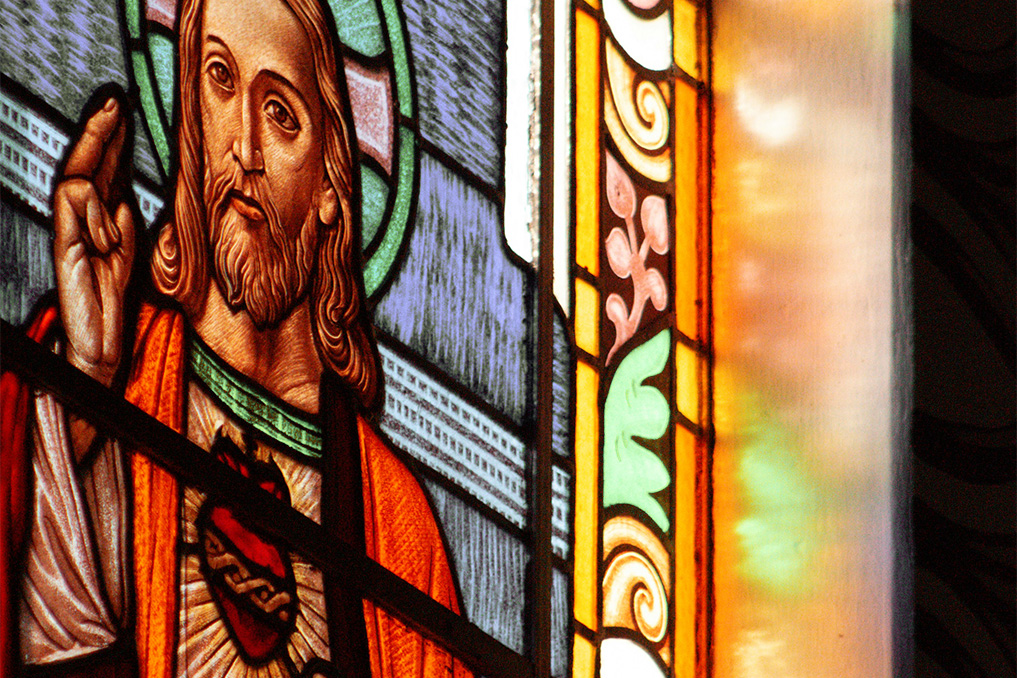
Modern culture often promotes emotional detachment as a virtue. Advice about relationships and well-being frequently emphasizes protecting one’s peace, avoiding deep attachment, and maintaining emotional distance. At its best, this mindset encourages resilience and independence. But taken too far, it subtly reshapes detachment into a form of individualism. It suggests that the less we care, the stronger and wiser we are.
This shift overlooks something essential about human nature: We are not made for distance. We are relational beings. Attachment is not optional; it is fundamental. The real question is not whether we attach, but what we attach ourselves to.
The rise of emotional self-protection has understandable roots. Greater awareness of mental health has helped people set boundaries and leave harmful relationships. These are real and important gains. Yet over time, healthy boundaries can harden into habitual distance and even coldness. For the sake of emotional independence, we can become so guarded that we lose the joys of relationships. People begin to avoid deep investment altogether, treating care and vulnerability as risks rather than necessities.
This change is visible in everyday attitudes. It has become common to speak of keeping things casual, avoiding getting too invested, or cutting people off quickly. Even love can start to feel like a liability. Yet most people do not actually want a life defined by distance. They want meaningful, lasting relationships that allow vulnerability without causing harm. They are searching for a way to love deeply without being destroyed by it.
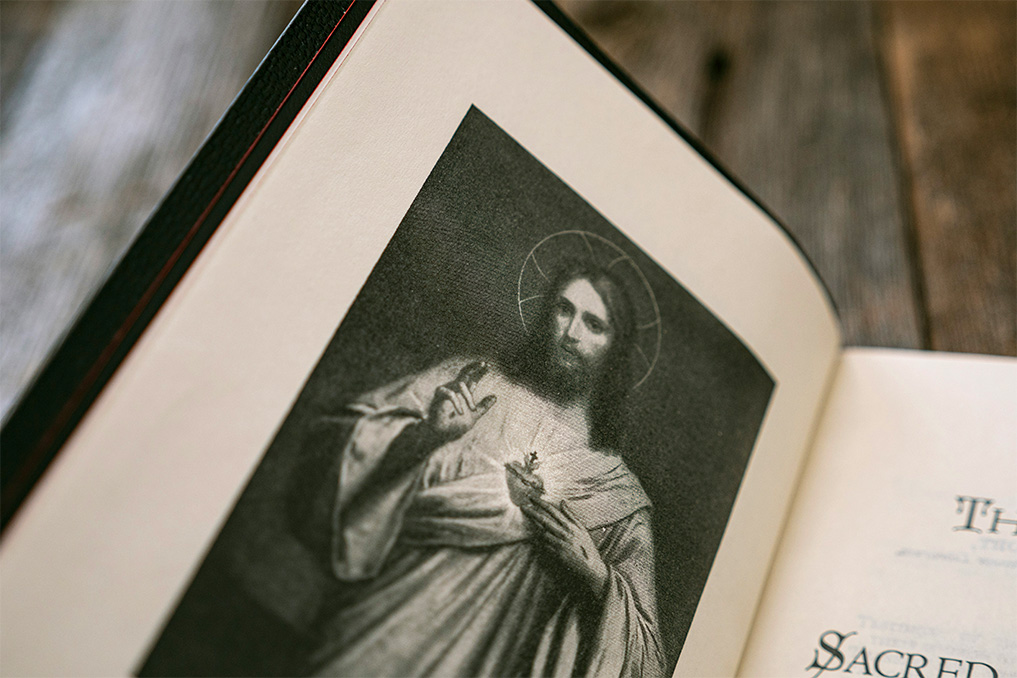
Attachment: A core human need
Psychology confirms that attachment is not a weakness but a core human need. From infancy, our sense of security and identity is shaped by emotional bonds. This need continues into adulthood through friendships, families, and communities. Love requires caring about others’ well-being, often beyond our own comfort. Without that investment, relationships become shallow and fragile.
Attachment also gives life meaning. People commit themselves to ideals like truth, justice, beauty, or faith. These commitments guide decisions and sustain purpose, especially in difficult times. A life without deep attachment can feel empty.
The Sacred Heart: A radical vision
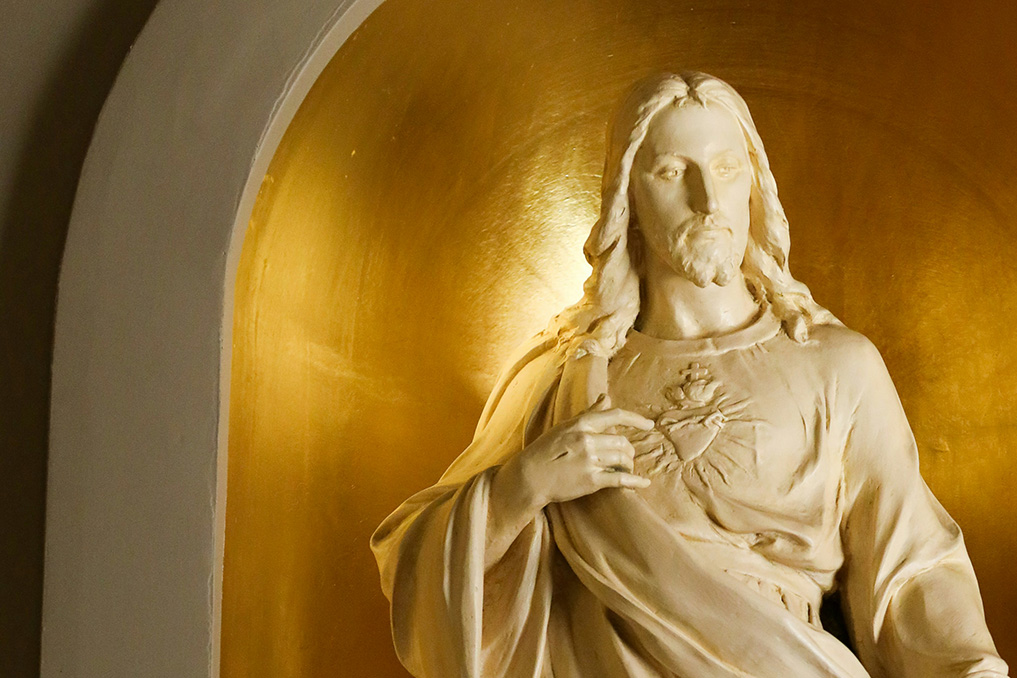
Against this cultural backdrop, the image of the Sacred Heart of Jesus offers a radically different vision. Depicted as a heart surrounded by thorns, burning with love, and marked by wounds, it symbolizes a love that is open, vulnerable, and willing to suffer. It stands in sharp contrast to modern ideals of guardedness. Where contemporary culture often values distance, the Sacred Heart reveals a love that risks rejection and pain. Where detachment is seen as strength, it presents deep personal investment as the truest form of strength. This is not sentimental affection, but sacrificial love.
The wounds and thorns of the Sacred Heart highlight an uncomfortable truth: Real love involves vulnerability. To love deeply means allowing another person’s suffering to affect you. It means caring enough that their pain becomes, in some sense, your own. In a culture focused on comfort and safety, this can feel unsettling. Yet the most meaningful relationships are built on precisely this kind of sacrifice.
Such love requires attachment. It asks us to care deeply enough that others’ lives become intertwined with our own. The Sacred Heart presents this not as weakness, but as the highest form of strength. Perhaps its most countercultural message is its call to courage. Detachment can feel safe, as it limits the risk of disappointment or heartbreak. But that safety comes at a cost. Relationships remain superficial, and commitments lack depth. Life becomes something we observe rather than fully feel and participate in.
Courage and devotion
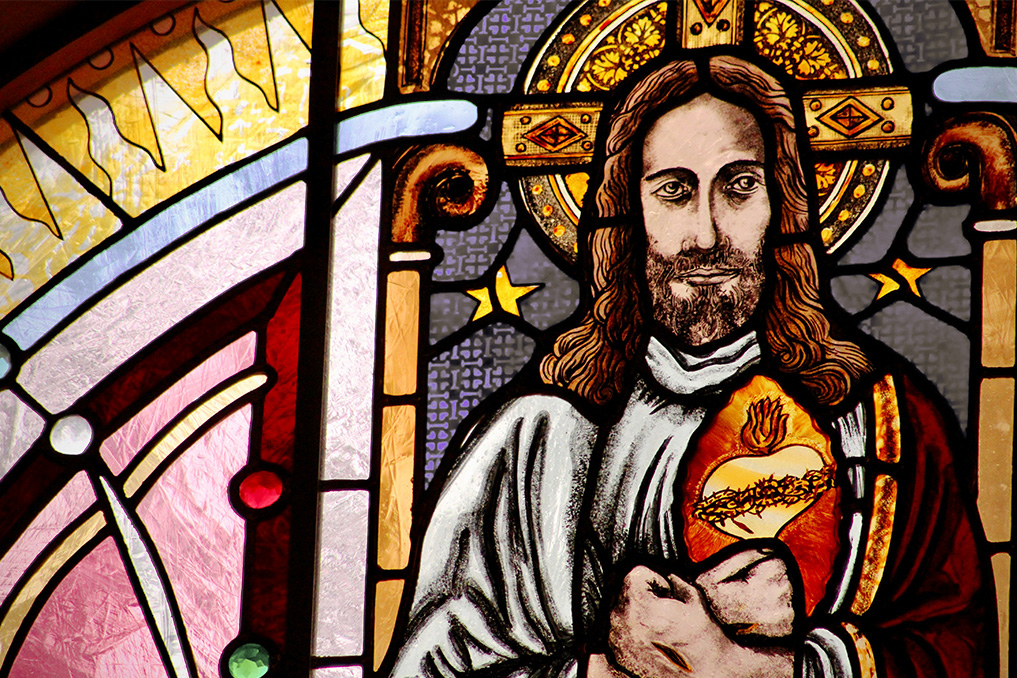
The Sacred Heart offers another way. It suggests that real love demands courage. It demands the willingness to open one’s heart despite the risk of suffering. It does not reject boundaries or prudence, but it reframes the goal: not to avoid attachment, but to attach ourselves to what truly matters. Attaching ourselves to our family even when the relationships feel complicated, and to our principles, faith, and values, even when inconvenient.
Central to this vision is the idea of devotion. Though rarely emphasized today, devotion captures the essence of lasting love. It means remaining faithful through difficulty, choosing commitment over convenience, and valuing loyalty over fleeting emotion. In a culture that often treats relationships as convenient or temporary, devotion can seem radical. But we were created for exactly this kind of enduring love.
Ultimately, the message of the Sacred Heart speaks to a deep human desire. People want to belong, to love, and to be loved in ways that are truthful, meaningful, and lasting. They seek relationships defined by care, sacrifice, and commitment.
The Sacred Heart calls us to rediscover the richness of wholehearted devotional love that is courageous, vulnerable, and deeply human.
Related Posts

Irish Thunder: Blessed Fulton Sheen and the drama of truth
By William Nardi


5 ways to prep your yard for outdoor fun this fall
By Rose Church

A girl’s guide to shopping for a wearable Miraculous Medal
By Ava Cilento