Grief, gratitude, and life-altering suffering: A Zeale conversation with author, veteran, and advocate Karee Van Wert
Published on September 8, 2026
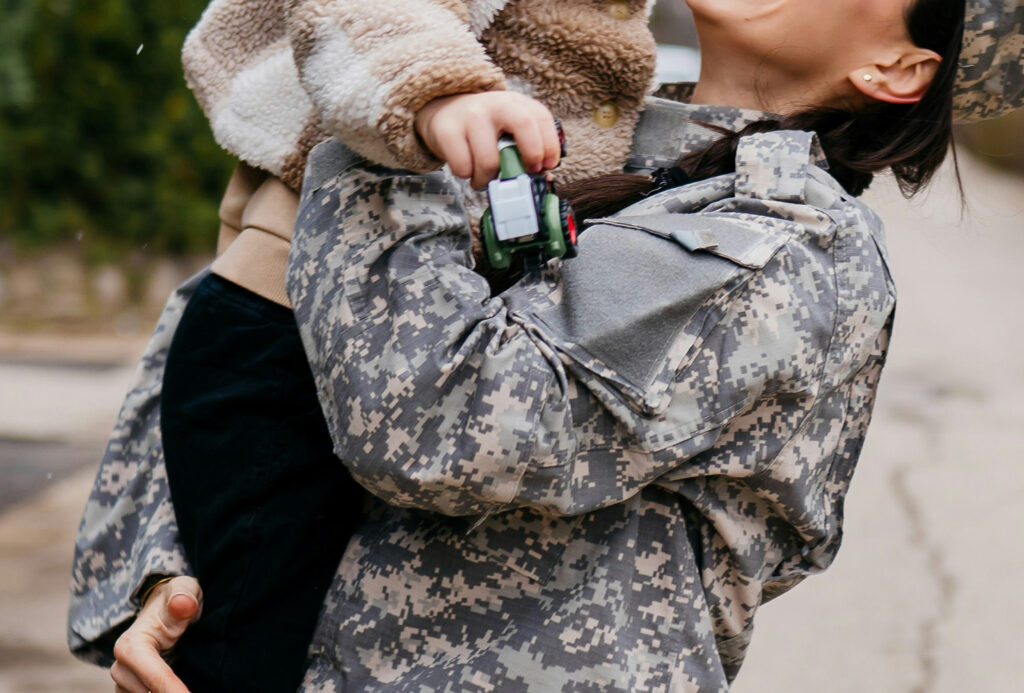
In anticipation of a mile-long run during drill, Kimmy whips her red tresses into a ponytail, and takes a sip of coffee. A bit bitter, but any amount of caffeine will work for a mother, veteran, and spry 25-year-old. While this start to the morning was typical for Kimmy at age 25, today, 15 years later, life looks much different. It consists of appointments, breathing treatments, and cough assistance.
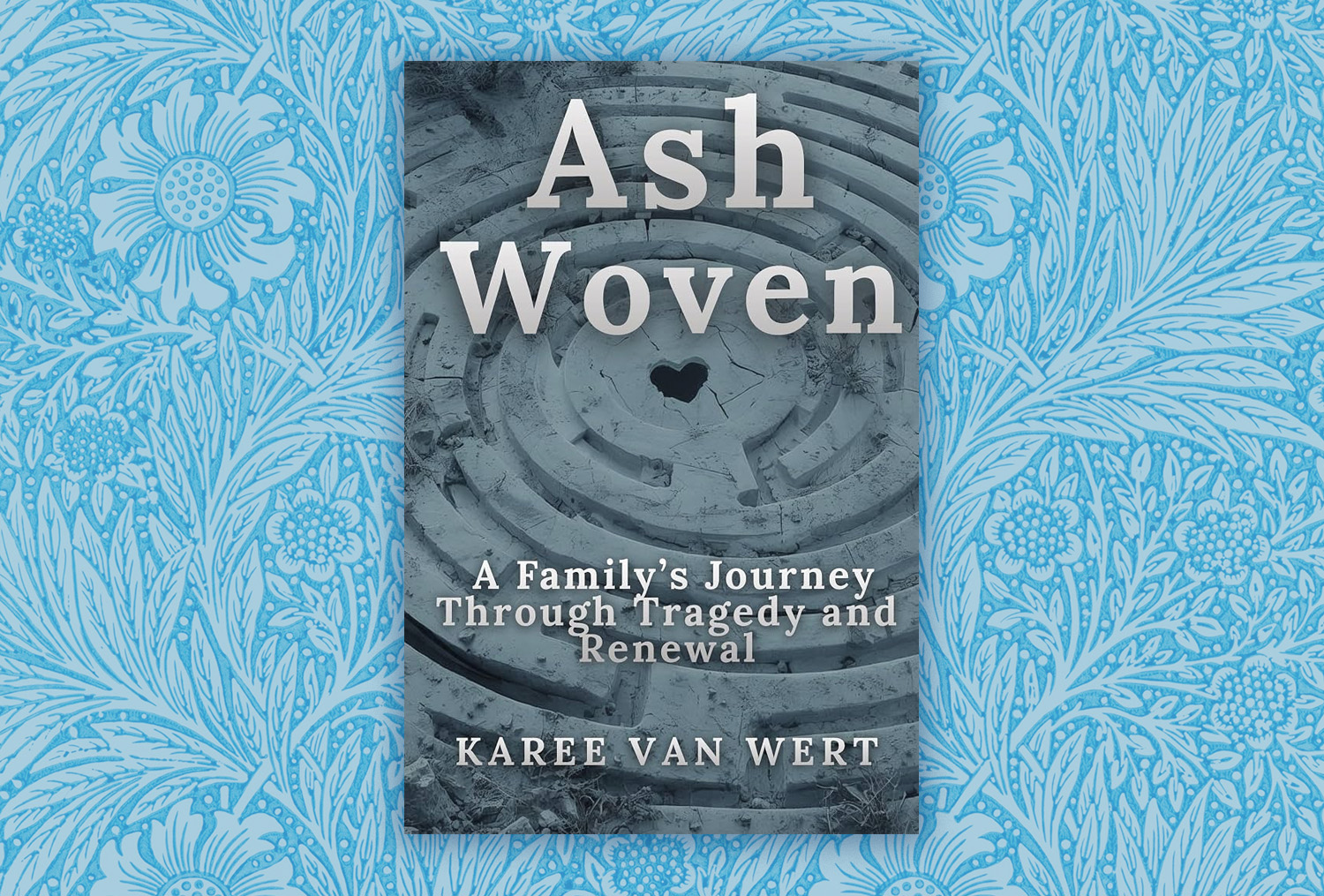
After a year serving in Afghanistan, U.S. Army veteran Kimmy Fix was stationed in Vicenza, Italy. When driving home from a military social function, she was rear-ended and sustained a catastrophic brain injury. She fell into a year-long coma. After she emerged, her parents brought her home to live with them in North Carolina where Kimmy receives 24/7 at-home care due to her injuries. The book Ash Woven, written by her mother Karee Van Wert, depicts the grief, gratitude, and reality of caregiving and life-altering suffering their family has experienced.
Like mother, like daughter
Both military veterans, mom Karee and daughter Kimmy share a resilient and passionate nature.
“Joining the military, I think for me it was an adventure and the challenge of the unknown,” Karee said. “It was also a serious endeavor.”
“There was still a spill-over from the disfavor of our military coming back from Vietnam, during the 80s when I joined. That was a tough time to go in. It’s never about certain beliefs in the government or a particular political affiliation, it’s about serving the country. I was very proud of being an American.”
While serving in a special ops unit, Karee became pregnant with her third child. She knew it was time to retire and serve in a different way: carpools, breastfeeding, and teaching fitness classes. Karee encourages mothers to weather such transitions by understanding that you’re embracing organized chaos.
“Most of my understanding [surrounding motherhood] has been in hindsight and God provoked me to feel those graces,” Karee said. “It wasn’t such a clear path, but it is a blessing to see how those kids have kept me young.”

Motherhood, grief, and gratitude
In her mid-60s, Karee is a mother of nine and grandmother of five, with two children still living at home — Kimmy who lives in the cottage on their family property and her youngest sibling, a 16-year-old named Delaney.
“I get some funny questions like, ‘Why did you keep having them?’” she said. “Children kept our marriage alive; when we needed to come together, that was the kids, they’re gifts from God.”
Karee’s motherhood took on new responsibilities after Kimmy came home from her accident. Kimmy lives constantly at seizure-risk, needs a feeding tube to eat, and communicates through hand movements more consistently than verbal conversation.
Love became a verb with Karee learning endless new medical terms, changing therapy schedules and feeding tubes, and managing part-time caregivers. She frequently petitioned and advocated on Kimmy’s behalf for alternative therapies and treatments that have less funding than typical medical care, including hyperbaric oxygen therapy.
“Grief and gratitude can coexist. I am grateful that my daughter is home. She wouldn’t have lived long in a nursing facility. I can also feel sad that she will never have a life beyond our home, and the grief that she can’t live the life she could have had. That’s more meaningful to me than a lot of other concepts because it helps you handle the sadness. I pray with that; the sadness and the abundant joy.”

Finding hidden strength, joy, and dignity
Karee’s book Ash Woven took shape slowly. Over the course of a year, she would retreat to her desk after dinner and pound away on her keyboard. Drawing inspiration and strength from the Netflix series This is Us and her own Revolutionary War ancestry, Karee began to write, finding her voice, peace, and catharsis.
“This is not a book for caregivers, it’s for anyone who has seen suffering from afar,” she said. “How I handled mine could resonate with someone. I’m addressing the suffering and bringing hope.”
Karee and her family exemplify the Scripture verse found in Matthew 16:25: “For whoever wishes to save his life will lose it, but whoever loses his life for my sake will find it.”
Through dying to self, Karee and Kimmy have impacted many others who shared in their experience. Karee is the Executive Director of the I Love Everyone Foundation that helps caregivers and those who are incapacitated and disabled through advocacy, fundraising, and volunteer work to give personalized acts of support that restore dignity, joy, and connection.
“Dignity is never optional,” Karee told Zeale. While caregiving, Karee has learned quite a few other things; some out of necessity, and others from spiritual growth. For starters, she says ordinary life can be therapeutic for both the caregiver and the loved one.
“Appointments, breathing treatments, cough assistance — those things aren’t everything that are important. Sunlight, music — those are important. The clinical part of life sometimes needs to be set aside.”
Another big realization was how hope changes shape. When Kimmy first came home, she couldn’t communicate in the typical way and speaking was rare. Initially, the hope was for complete recovery. Over time, it became a purposeful movement or a sound that the family hadn’t heard in years. After 12 years, Kimmy was able to hum for the first time since her accident.
“Hope doesn’t always come with a fanfare. It’s quiet sometimes,” Karee explained. “It’s disguised.”
In addition to her book, Karee also wrote about these and other lessons she has learned through her years of caring for Kimmy in a newspaper op-ed published this past spring.
“In Kimmy’s life, people see her incapacitated,” Karee reflected. “Sometimes, all people see is that. Just because she can’t speak or can’t be independent, doesn’t mean she isn’t valued. Kimmy is still a whole person. She loves getting a facial like any woman and has a competitive side. Kimmy deserves privacy, respect, beauty, laughter, and a place in the family. She deserves all this simply because she exists. She is living, and that is enough.”
Related Posts

10 non-candy tricks and treats
By Brittany Makely

Miso Roasted Butternut Squash
By Calista Boskus
The non-sewers’ guide to All Saints’ Day costumes
By Grace Porto
How JP2 teaches us the concept of healthy leisure
By Ava Cilento