Atelier tradition and the sight-size method
Published on October 6, 2026
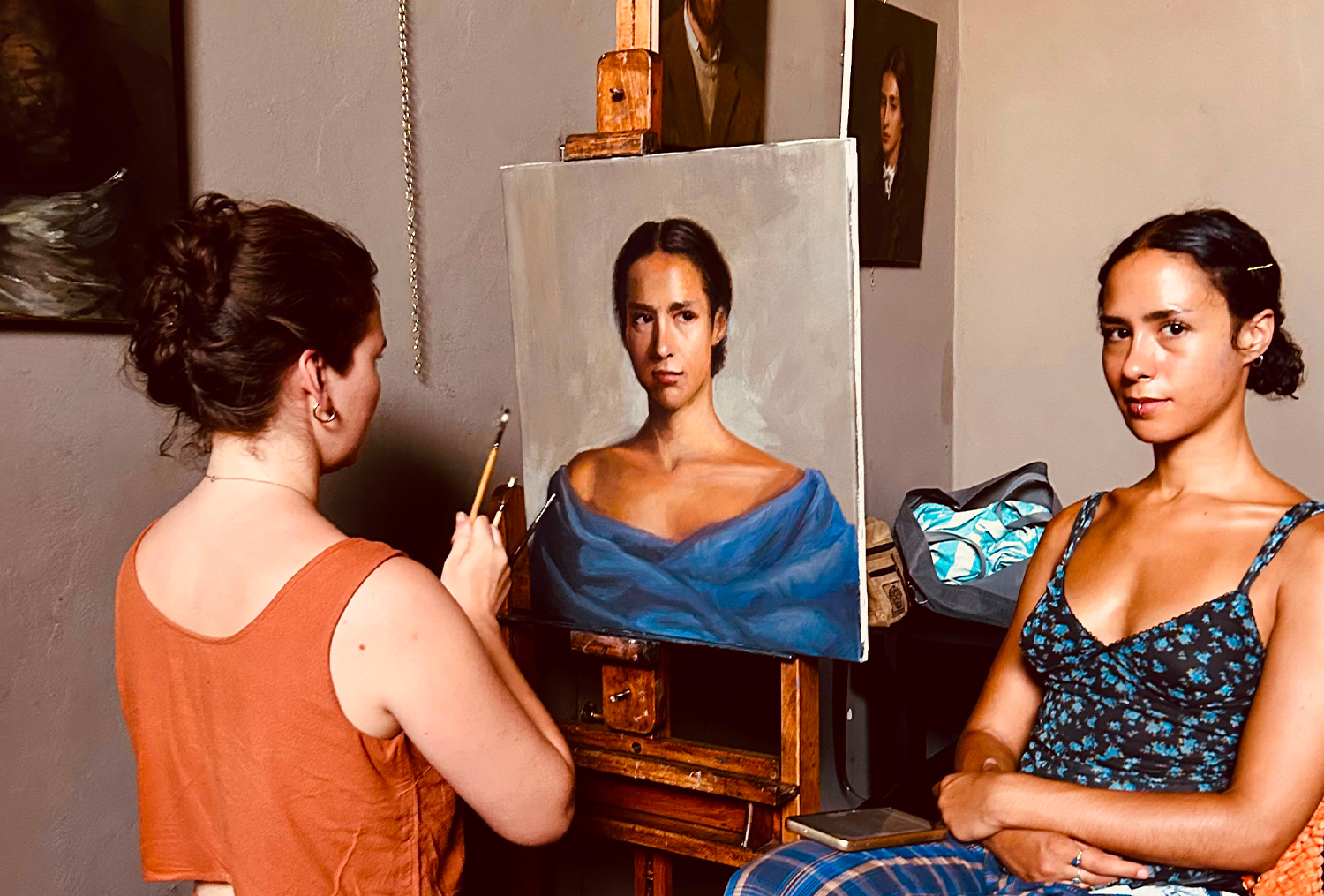
Walking through HobbyLobby, T.J. Maxx, and Home Goods, I have noticed that the art section has become dominated by AI-generated art. Cows sipping cups of tea, fields of flowers that never existed, and hundreds of other oddities line the shelves. Facebook, Instagram, and other sites reveal more of the same; overly polished, fake-looking art has taken over our stores and screens like an infection.
In a world of AI-generated art, there are still some artists doing it old school in Florence, the city of art, and this past summer, I attended class there to learn the ways of the old masters.
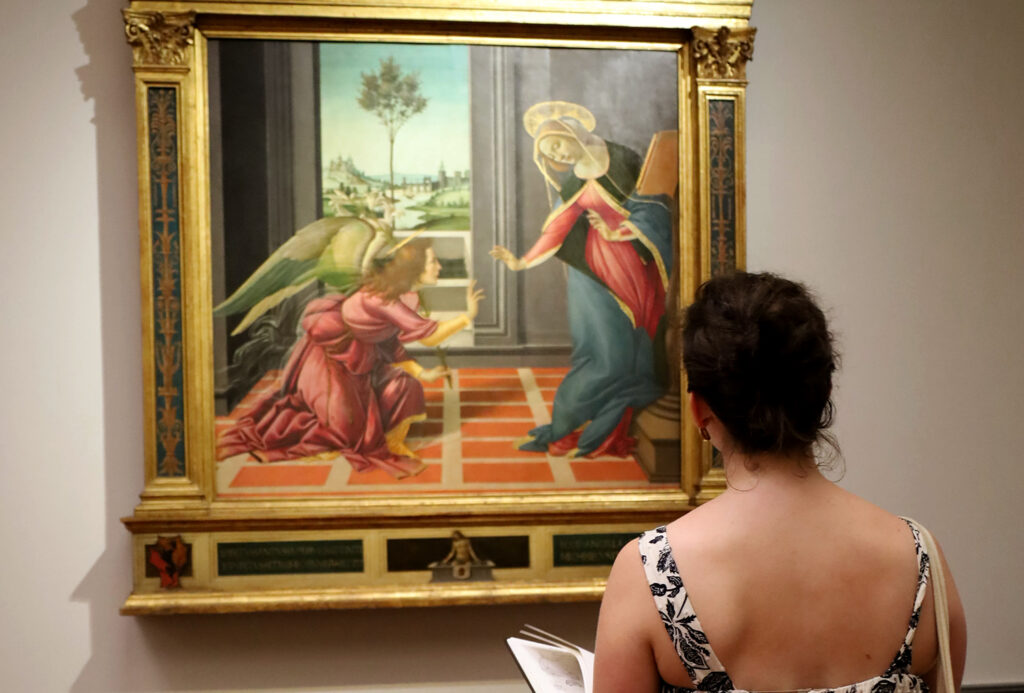
Back to tradition
At the Charles H. Cecil Studios based in Florence, artists are not allowed the use of photography of any kind. Rather, they are taught a century-old method known as “sight-size” which has been used since the time of Leonardo da Vinci.
“Sight-size is an invaluable way of working to the scale of life, under natural light, whereby the subject and image are viewed side-by-side at a distance,” according to their website. “The painter works standing and approaches the canvas repeatedly to convey the impression of the whole, as opposed to a piecemeal rendering of the parts.”
This method was used by Titian, who passed it down to Velazquez, who in turn passed it down to John Singer Sargent, whose student passed it down to Charles H. Cecil.
“Sight-size is not a stylistic convention, fashion, or manner delimited by a particular epoch,” the website declares. “It is, instead, a visual continuum that reaches to the future and the past.”
How it works
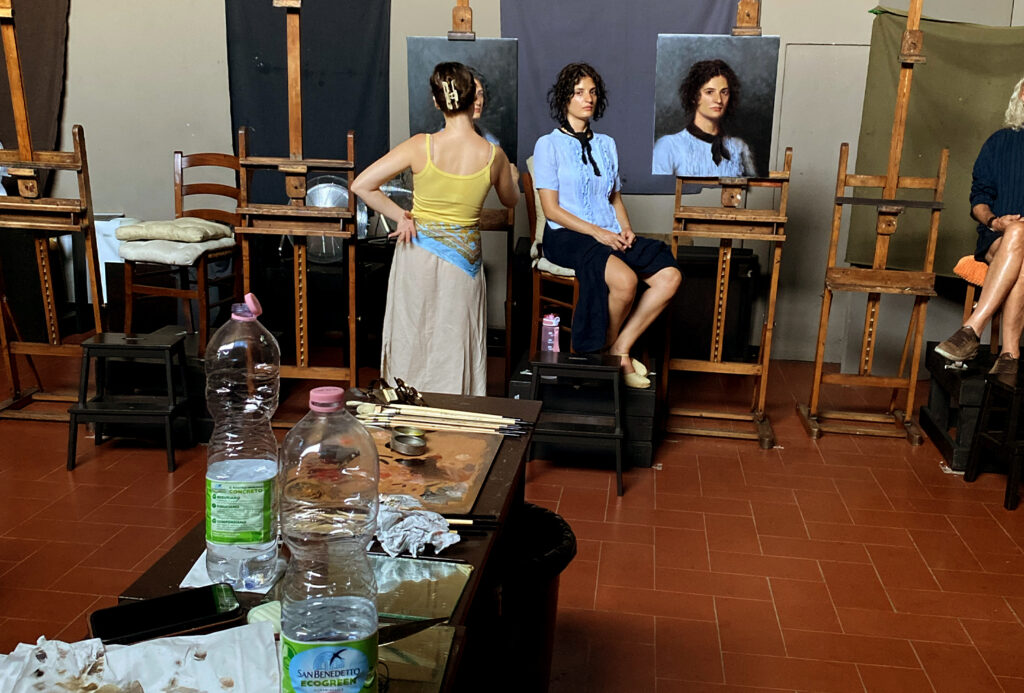
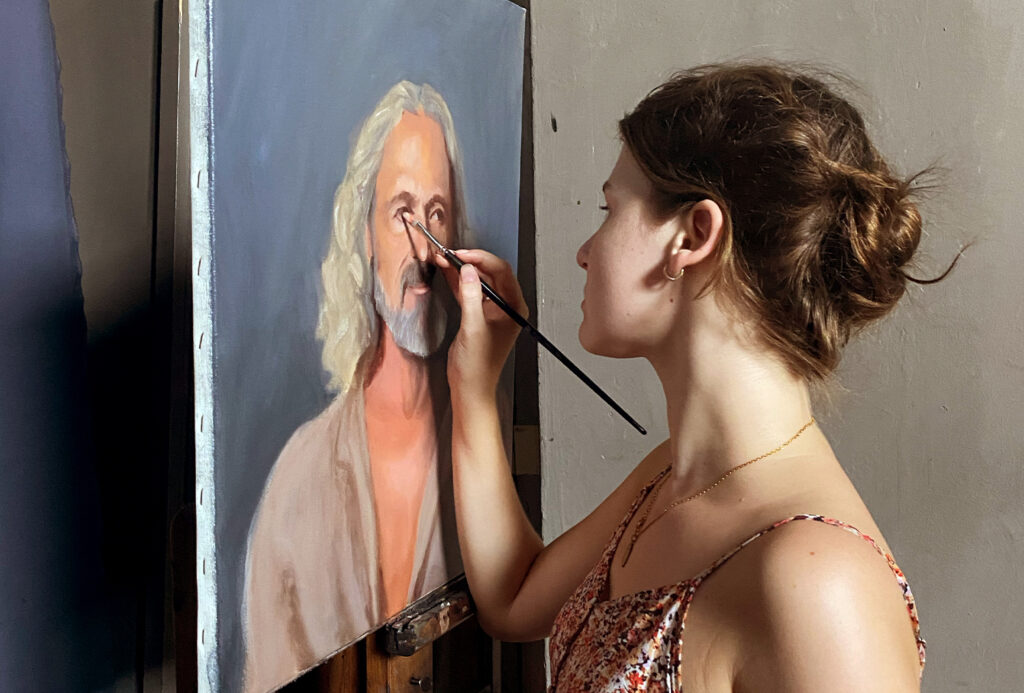
What did this look like in practice? We placed our linen canvases six yards away from us, lined up carefully along the temple of our models. Yes, our models. Cecil refuses to use photography, claiming that it always distorts the image, and that something of the life of the figure is lost. So the studio employs live models, who sit for the artists for hours every day.
Once our easels were set, it was time to lay out our paints. Again, Cecil is particular about the materials. The paints and chemicals we used date back to Sargent and the rest, and are often made in house. We learned how to mix our various pigments on a glass slab, grinding with a large glass pestle until they are thoroughly mixed and the consistency of peanut butter. Some of the paints are extremely toxic if consumed, and the smell of turpentine and sun-baked linseed oil (also made in house) hung heavily in the darkened studio. On the palette were a grand total of four colors. If you needed a different color, you had to mix it from the four before you.
The light came from behind us, shining on the models from a large window with various curtains and covers that could be adjusted. We worked on two paintings per day, one with the morning light and another with the afternoon light. As the sun traveled across the sky, the shadows on the model would shift and change, adding to the challenge.
The distance traveled
For six hours a day, we worked, standing back, looking, and then walking forward to make a mark on the canvas. Then, you walked back to look from a distance. Back and forth, back and forth we traveled. I never knew how many miles I walked just to see one person clearly, but it felt like hundreds. With 10 fans, and a sad little air-conditioner, we sweat our way through Florence’s July heat, always standing, always walking back to check the positioning, forward to shift a line, or adjust a shade. Then walking back again to take in the effect and look for more mistakes. Cecil’s students, who served as our instructors, would circulate, offering friendly advice and revealing so much that I had never seen.
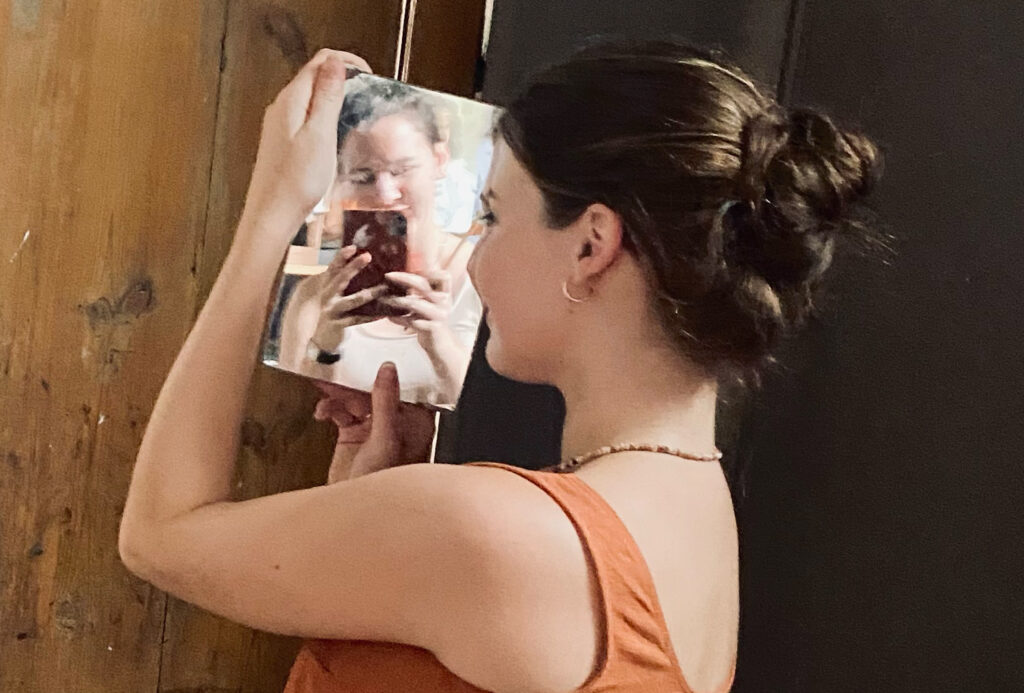
If I needed a change in perspective, a mirror was provided, and I and many artists took advantage of this mirrored view to acquire a fresh set of eyes. It’s amazing how many mistakes would not reveal themselves until I held up the mirror. Every 20 minutes the models took a five-minute break, which would inevitably change their positioning ever so slightly.
To see clearly
Painting a living breathing human being was a challenge I had never experienced. As the hours pass, they may begin to slouch. Their eyebrows twitched alongside their thoughts. One model may come in with dark shadows after a poor night of sleep. Another might have gone to the beach over the weekend and come back pink with sunburn.
Unlike painting a photo, the details of the person in front of you are hazy. For one thing, we stood too far back to see some of the tiniest moles, freckles, hairs, etc. For another, when you look at a person in life, you are rarely examining their shirt folds or the exact shade of their hair. Rather, you are looking at their eyes, at their soul. The rest is a hazy impression. The Cecil artists were constantly talking about the psychology of portraiture, how it is one of the only ways to see a person clearly.
I agree. While I do not have enough hours to spend painting everyone I meet, there is something sacred about capturing the image of someone. To capture someone’s likeness is more than matching their coloring and form. Capturing some indistinguishable trait of movement or breathing, the essence of the person is difficult to capture. This class taught me, more than any other experience, the mastery of the Divine artist and the sanctity and beauty of each individual soul.
Related Posts

BYOB: Build-your-own bowls dinner inspiration
By Lindsey Fedyk

10 Fundamentals that will make you a better home cook
By Calista Boskus

What the Fine Arts Masters can teach about everyday makeup
By Johanna Duncan