How to keep (or make new) family traditions when all the kids grow up and move out
Published on November 18, 2026

There comes a season in every family when some predictable holiday rhythms and childhood customs no longer fit. As adult children launch careers, move away, or begin families of their own, long-standing family traditions can start to strain under the weight of distance and competing schedules.
For parents, this transition can feel tricky. Which rituals have the kids outgrown? Which ones feel burdensome amid busy work schedules and in-law commitments? The challenge is mutual for adult children: How do we honor the home that built us while establishing our own independent lives?
Keeping family traditions alive across generations stems from a shared willingness to preserve without rigidity. Here’s a guide for gracefully navigating this transition.

When to preserve, reinvent, or retire
Household traditions exist to build unity and serve the family, not the other way around. Evaluating family customs requires an honest, ongoing assessment between parents and grown children:
- Preserve what anchors identity: Protect the non-negotiable spiritual and relational cornerstones that define your family culture. Holiday traditions like the Italian feast of the 7 fishes on Christmas Eve or a signature family movie viewing at Thanksgiving can be enjoyed at all ages.
- Reinvent what feels outgrown: Kids naturally age out of certain childhood staples, but they never outgrow feeling cherished. Christmas stockings don’t need to disappear; upgrade them with funny novelties or thoughtful, grown-up staples like specialty coffee beans, artisan olive oil, or a good book.
- Retire what induces stress: If a complicated recipe, or overloaded schedule of events creates exhaustion or passive scorekeeping, it may be time to let it go.

1. The magic of grandkids: Passing the torch
One of the best recipes for keeping family traditions alive is the arrival of grandchildren when the childhood magic can naturally return full circle. Keep the egg hunts and storybook readings, but invite your adult children into the experience as parents, honoring their parenting while giving their little ones the same wonder you once gave them.
- Yield the director’s chair: The participation of adult children and grandchildren should always be invited, never assumed. If they accept with needed accommodations, count that flexibility as a win for family unity. Ultimately, your adult children are the primary tradition-makers for their own children now. When you are invited to join something they are hosting, respect that they are the ones orchestrating the tradition.
- Respect their rhythms: Prioritize grandkids’ nap schedules, bedtimes routines, and household rhythms, serving as supportive cheerleaders rather than management.
- Establish distinct grandparent rituals: Coordinate with your children to create simple, signature markers led by Grandma and Grandpa like pumpkin carving, making Christmas cookies, or hosting a summer “Cousin Camp” day.

2. Foster local connection with low-pressure rhythms
When kids move out, scheduled family time can start to feel like an official event requiring weeks of coordination. The remedy is lowering the barrier to entry with open-ended gatherings.
A standing Sunday evening pasta supper or game night with an open-door policy, or a casual Saturday morning “coffee drop-in,” gives local adult children a warm place to land without the pressure of an all-day commitment. If a child can only swing by for 15 minutes between errands, welcome that short visit as a gift rather than mourning that they couldn’t stay for dinner.
3. Welcome the ‘shifted’ holiday
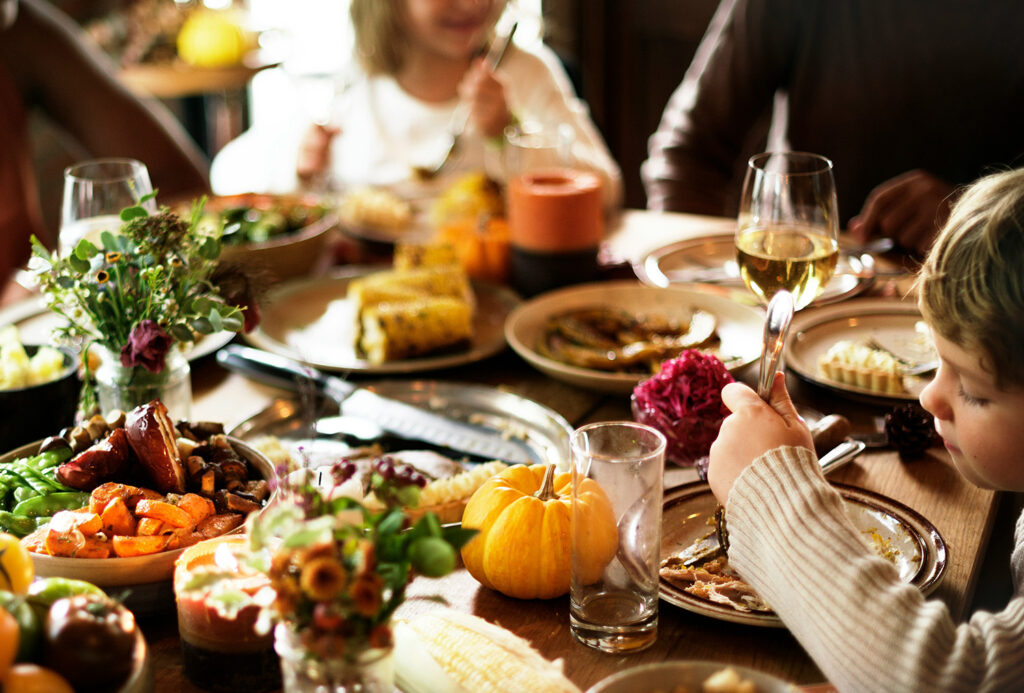
Perhaps the hardest adjustment of the empty-nest era is both accepting that Thanksgiving or Christmas Day may not always be spent under one roof and that beloved family customs may be missed. However, between juggling in-law schedules, newborn sleep routines, and travel costs for adult children, rigid date-keeping can only lead to resentment and stress for everyone.
If a day-of celebration won’t work with everyone’s schedule, learn to be flexible and propose a “shifted holiday.” Exchange Christmas gifts on December 26th (there’s a whole octave to enjoy), host the family Thanksgiving meal over the weekend, or hunt for Easter eggs during one of the 50 days of Easter. What matters is that you’re still gathered together even if the calendar date isn’t exact.
Likewise, when adult children simply cannot make it, accept it without guilt-tripping and move forward. That said, adult kids — whether married and balancing time with both sides of the family, or single and managing hectic careers or travel — should make an honest effort to stay present. Both parents and adult children should resist the temptation to keep score, but be sure to let the other know they are always wanted.
4. Bridge distance with intentional habits
For families separated by geography, staying connected requires creativity:
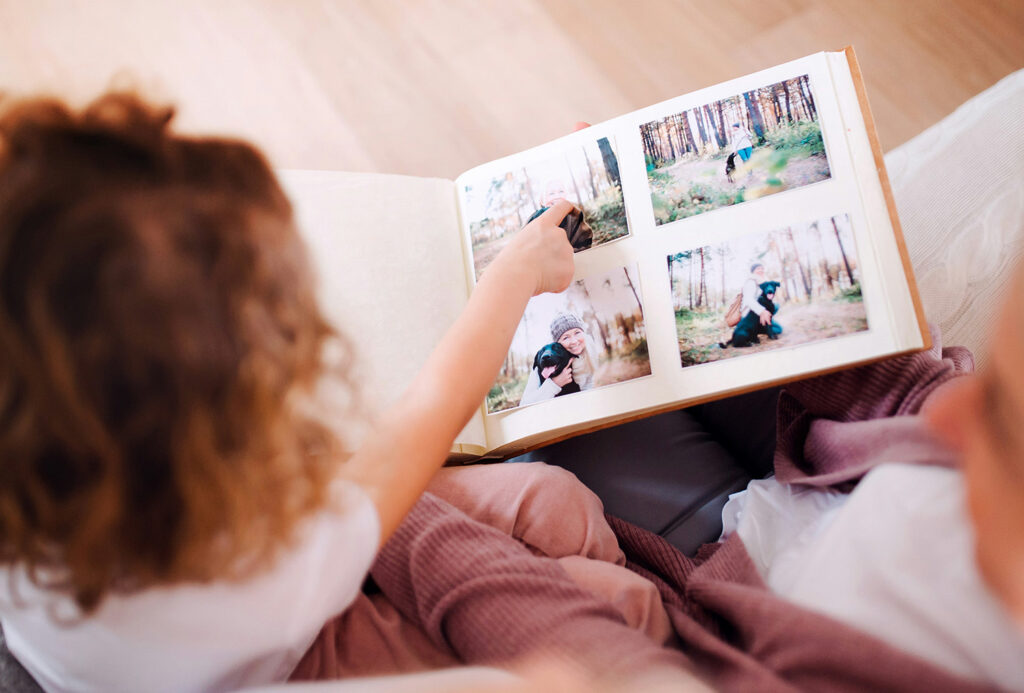
- The shared stream: A continuous family group text or shared iCloud/Google photo album where siblings and parents post uncurated, daily glimpses of life — a toddler’s messy grin, a tasty new dish you made, a piano recital clip — keeps the family culture alive across time zones.
- The virtual hangout: Establish a casual monthly or seasonal video call to pray a family Rosary together, toast a shared milestone, or just catch up from afar. Invite your adult children to lead these calls, but be ready to step in when life gets busy. This also helps keep siblings in an active rhythm with one another as they grow older. Keep attendance optional and the timing flexible; even a quick hello from a grandkid or your busy child is genuine connection.
- The low-stakes reunion: If gathering frequently is impossible, plan an annual or biennial family trip designed for rest and connection rather than a packed itinerary. Whether you host at home or rent a beach house, the goal is for people to easily drop in for a day or whole week depending on schedules, keeping expectations low and leisure high.

Making room for new life
Talk openly across generations, asking your adult children what they cherish most, and don’t hesitate to start fresh traditions you always wished you had as a child or young adult.
When family gatherings promote a refreshing environment of hospitality and shared joy rather than a requirement of duty, the customs you practice become a peaceful refuge that adult children cannot wait to return to.
Related Posts

11 Podcasts for commuters who don’t want more noise
By Ava Cilento

Thanksgiving sides that are the main event
By Calista Boskus

Before Advent begins: Why Catholics need November
By Rosie Hall

Preparing to pop the question
By Amanda Johnson