The accidental apostolate of the Furys
Published on October 16, 2026

Reality TV has become almost a synonym of “trash” or “everything that is wrong with our culture” but when I started watching “At Home With The Furys,” I was surprised by the depth, purpose, and love found in the Furys. This hit Netflix documentary reality series follows the world’s heavyweight champion and third best-paid athlete in the world, Tyson Fury, as he navigates the possibility of retirement. After three years of filming, two seasons, and a renewal for a third season later, the show has become one of the more compelling arguments in favor of faith, marriage, and fatherhood on television.

Living real life
In the boxing world, Tyson Fury is an undisputed king, and his ring nickname is the Gypsy King, a nod to his gypsy and traveler background. But at home, Tyson is just another dad doing school carpools, teaching his daughter how to drive, and arguing with his wife about fixing a bathroom sink. While the audience may have tuned in to get a sneak peak into the Furys’ incredible life as millionaires and stars, we’ve stayed to watch Tyson answer some of the most serious questions about life. What is all this fame and money for? Tyson achieved everything he wanted — the fame, family, and fortune — at the ripe young age of 37, so what is next?
The answers to these questions are intertwined with mental illness. Tyson has been quite open about the fact that he struggles with bipolar disorder. His wife (the true star of the show, in my opinion) makes light fun about it, commenting at one point, “It’s like being married to a whole new man each day.” Their marriage dynamic adds depth and a human element to the plot.
Family and faith first
Tyson and Paris Fury have been together since they were teenagers and are the proud parents of seven children. Their household is loud, chaotic, and unglamorous in the way families are. So while watching, the initial lens focused on fame, success, and money quickly fades to reveal a family building memories and parents intentionally raising their children. More than once during the show, either Tyson or his wife Paris say “these are the memories we want our kids to have.” Creating those memories often revolves around fishing, camping, or watching their parents renew their wedding vows.
At times, there is also a subtle but clear sense of the family’s faith, which has a beautiful peak during the second season when they renew their wedding vows at a Catholic Church in Nice, France. Some critics say that the family’s faith is downplayed too much, but the Furys did not set out to make a show to evangelize; instead, they are presenting their way of life, and we are welcomed to be witnesses of it. Many would argue that it is one of the best ways to reach people’s hearts.
The weight of depression and addiction
There’s an important chapter of the Furys’ life that was kept off camera, but is often spoken about in the show — Tyson’s 2016 collapse. According to Tyson himself, it nearly ended him. Depression and addiction had taken over to the point that even suicide attempts were on the table, something he spoke about in length on the Joe Rogan podcast. Ultimately, Tyson admits that what kept him alive and brought him back to health was acknowledging the pain his struggles were causing his family.
When he was ready to seek help, his dad accompanied Tyson to a psychiatrist who spoke alone with John and told him that his son was at risk of imminent death with his faith being the one thing keeping him alive. That’s a story Tyson shares on the Joe Rogan podcast.
The apostolate of living
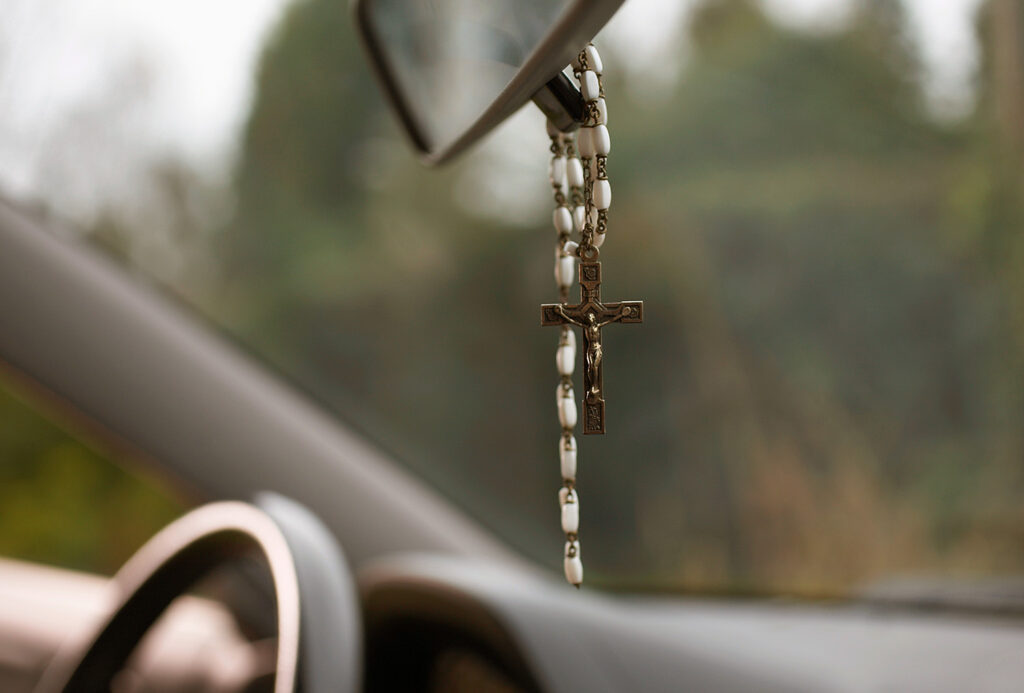
It doesn’t take too much watching to notice the impact faith has on Tyson’s life. In one episode, he reads aloud a poem he wrote to his wife, including the line: “I am the guy who would sacrifice his life rather than deny Jesus.” And while there are multiple small moments like this throughout the show, the real apostolate is ultimately in the day-to-day life of the Furys — the life Tyson chose to stay alive for and the one he continues to live as a man who shows up for his family. That is the core of this apostolate.
For a culture that remains cynical about marriage and large families, watching two people, flawed and devoted, choose each other through all the very high ups and very low downs they’ve experienced, it is impossible to not come away concluding that it is all worth it. For too many years, viewers have been fed a steady diet of father figures who are absent or the butt of jokes. It is refreshing to watch one who is imperfect, but nonetheless precious to his family. Tyson and Paris never sit the audience down to explain why marriage matters or why kids need a present father. They don’t need to. Viewers who would skip a program pitched as faith or family content witness these truths wrapped in boxing and banter with Paris rolling her eyes at her husband’s latest scheme.
A year into retirement, Tyson feels the old pull back towards the ring, and the show doesn’t hide the friction it creates at home. “That lunatic wants to box,” Paris says at one point, equal parts exasperated and fond. The line is funny, but it sits on top of something serious: a man weighing the thing he’s spent his life being exceptional at against the ordinary work of being needed at home. That does more for viewers than a tidy resolution would have, because it’s the same tension husbands and fathers around the world face, regardless of their paycheck.
Netflix pointed a camera crew at one household filled with equal parts imperfection and genuine love, love that proves to be more than enough. Somewhere between the retirement plans and family meals, a show about a boxer leaving the ring turned into a clear picture of what he was fighting for all along.
Related Posts

14 fall date ideas that don’t involve the apple orchard
By Ava Cilento

Where to buy natural fiber clothing on a budget
By Grace Porto


The weekly soup blueprint: Comforting pots to rotate all fall
By Jessica Nardi