The antidote to greed: Short and sweet ways to teach your kids financial literacy
Published on September 1, 2026

Financial literacy teaches the discipline, patience, and generosity that are necessary to combat greed. These short and sweet ways to teach your kids how to be financially literate show children how to become a good steward of God’s blessings in their lives.

How to cultivate good stewardship in a world of greed
Can money be morally neutral? The answer is “yes.” It’s what you do with what you’re given that matters. Money ought to become a tool for generosity, prudence, hard work, and gratitude, rather than the end in and of itself. The important questions to consider are: how is money earned, how it’s managed, and how it’s shared. Financial literacy prepares your child to choose the good. It’s about building wealth ethically, investing prudently, providing for one’s family, saving for the future, and most importantly, refusing to let money become the ultimate priority.
That balanced approach prepares children not only to be financially capable adults, but also to become thoughtful, generous, and responsible stewards of whatever resources, responsibilities, and talents they’re entrusted with.

Skip the piggy bank
Every dollar should have a mission. This concept is for young and old alike and is the building block of financial literacy. Every dollar has a job. Use cute little mason jars or have your children decorate boxes that coincide with the following “jobs.”
- Give: Almsgiving & charity
- Save: Future goals
- Spend: Today

Be your child’s savings superhero
If you’re able, match the amount of money your child adds to their savings account. My parents did this for me until I found a high school, part-time job above minimum wage. This is a great way to incentivize saving and working hard towards a goal. Whether it’s birthday money from grandma or money from chores, when your child saves, they know they’re getting something back. As the total amount in their account grows, the more excited they get about their progress.

Got coins?
As a kid, our family kept a coin jar. When it became full, we took it to the bank. I’d stretch up on my tiptoes to see the machine eating up coins, transforming them into shiny, green dollars. We’d all guess how much money was in the jar, but the best part was what happened next. Our coins would fund a family dinner, a shopping trip or another outing of our choice.
Teach opportunity cost on the go
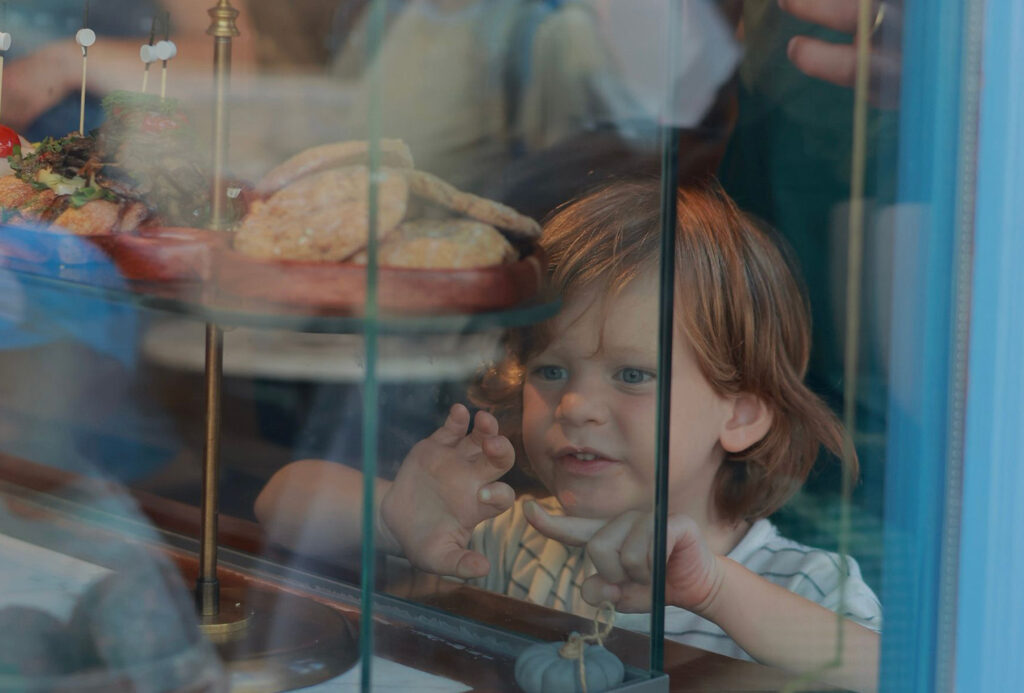
You walk into a store and your child picks the item they want to buy. Happy kid, happy parent. You enter the next store and everything unravels. Your child found a shinier, better item that they fixate on the rest of the trip. Sad kid, disgruntled parent. For your child, this is the opposite of decision fatigue, it’s decision overload.
When they’re deciding between two toys, avoid saying yes or no. Instead ask, “If you choose to buy this stuffed animal, what are you choosing not to buy?”
This teaches one an important financial concept while protecting mom and dad’s wallets. For older kids, try giving gift cards for birthdays and Christmas to offer them the opportunity to practice choosing how to spend their money.

Try the birthday budget challenge
Friend birthday party invitations can get expensive quick! Instead of mom or dad picking out and buying the gifts for every friend, invite your kids into the process with a budgeting challenge.
Ask your child, “How could we make someone feel deeply loved with $30?”
They’ll often discover thoughtful gifts outperform expensive ones.

The practice of patience
When your child desperately wants something, rather than immediately shutting down the request, say, “Let’s put it on our wish list and revisit it next Saturday.”
This gently teaches that emotions and purchases don’t have to happen simultaneously.

Be content with the present
One of the greatest gifts parents can give is letting children see contentment. It encourages gratitude and creates a safe and secure home environment. Instead of saying, “We can’t afford that” try, “We’re choosing to spend our money on things that matter more.” This mindset connects financial literacy with virtue.
That subtle shift teaches abundance through intentionality rather than scarcity. It also provides an explanation to counter overconsumption. The moral here is how to spend with wisdom, give with joy, and understand that people are more valuable than possessions.

Short and sweet: Financial literacy made simple
Let’s be honest, children (and adults) rarely remember lectures about money. What they will remember are the traditions, conversations, and habits you create within your home. When generosity, work, gratitude, and wise stewardship become part of everyday family life, financial literacy grows naturally alongside character.
Related Posts

The non-sewers’ guide to All Saints’ Day costumes
By Grace Porto

How JP2 teaches us the concept of healthy leisure
By Ava Cilento

Accessorizing 101: How to mix and match colors and textures
By Jessica Nardi

Custody of the eyes
By Rosie Hall