The Assumption: Go in peace
Published on August 15, 2026
The sun shone brightly as the tour bus made its way slowly up Mount Koressos, otherwise known as “the Mountain of Nightingales.” The air conditioning was a relief after braving the mid-summer Turkish heat in the ancient city of Ephesus down below. As the bus traveled upward, the tour guide began telling us the history of the place we were approaching — Meryem Ana Evi — the House of Mother Mary.
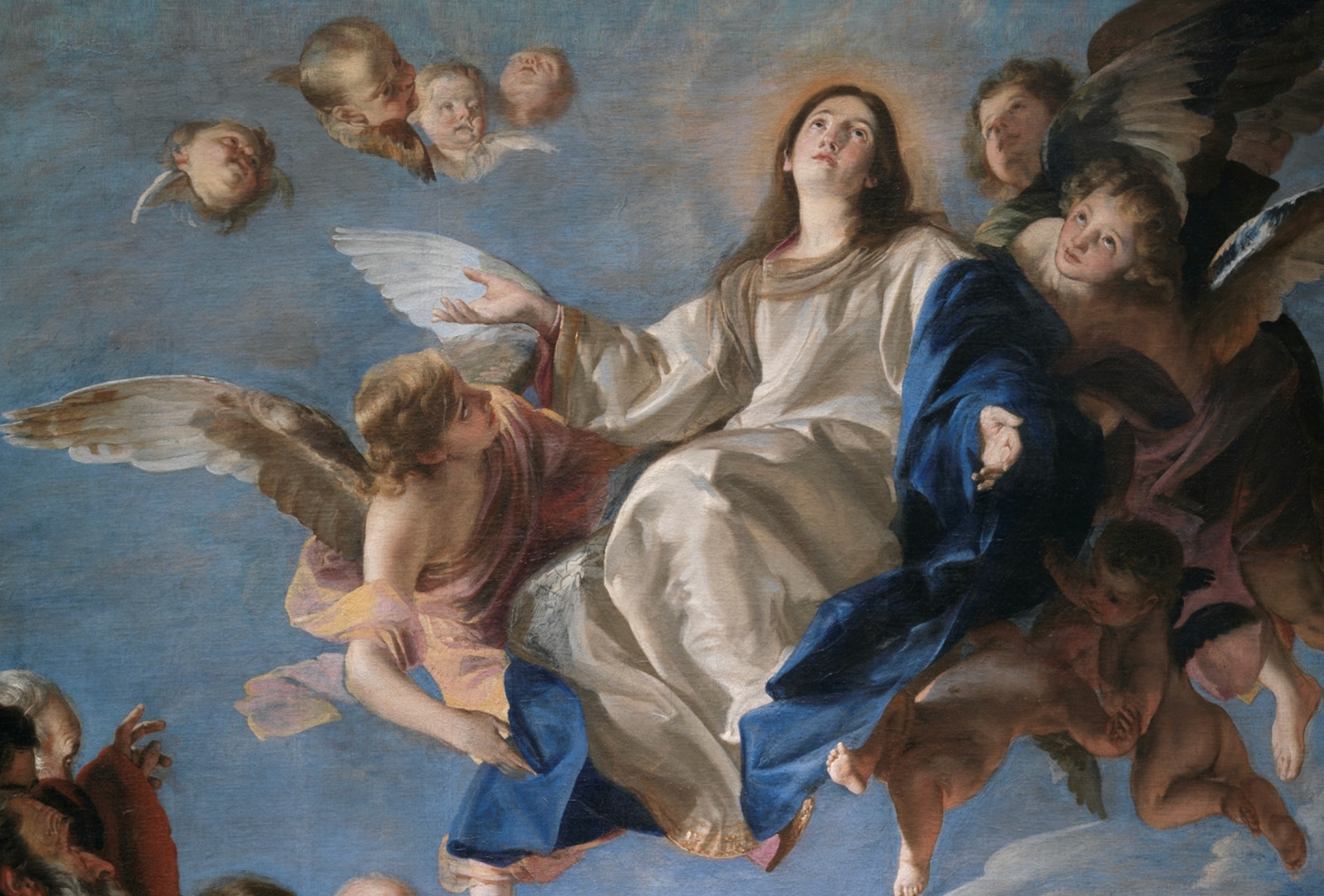
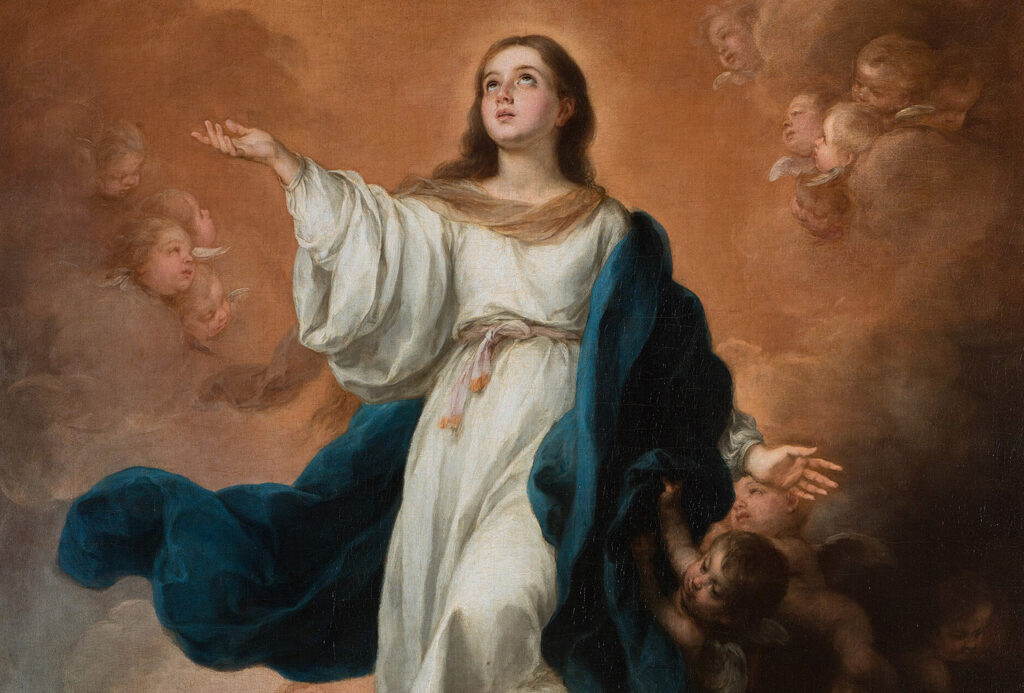
It was in this place, most likely, that the Assumption of the Blessed Mother happened; where Mary was assumed, body and soul, into Heaven to be with her son. The Assumption, for me, has always been difficult to meditate on. It is not as easy to picture as something like the Passion narrative, nor is it as familiar to my personal experiences as the Visitation or the Finding of Jesus in the Temple. Yet, the Assumption is a beautiful and important mystery for our Church and us. It teaches us not just how to finish our lives but how to live them.
Her last days
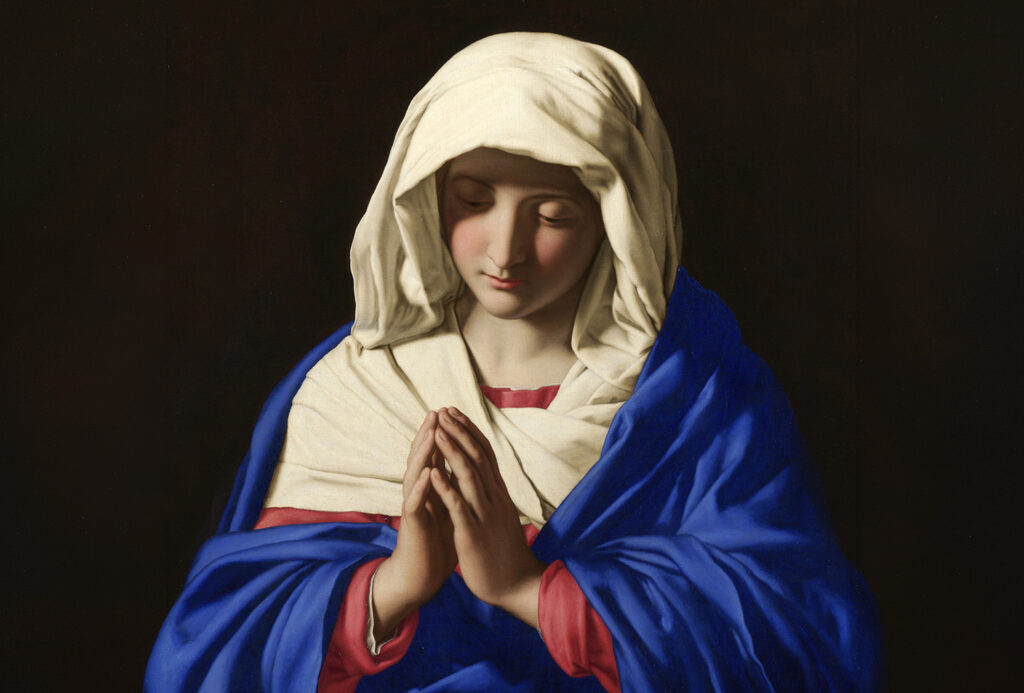
As we walked prayerfully through the tiny house, I wondered, “How did Mary spend her last days?” There were only two rooms, a living room and a bedroom. Did John stay with her or did he come and go, preaching about her son? Did she host visitors? Did she pray with her neighbors? Did she have neighbors up here on the mountain?
Mary’s life had had sublime moments: An angel of the Lord appeared to her, she gave birth to and raised the son of God, she watched that same son die on the cross for humanity.
Yet her life was also full of little moments. Cleaning. Mending. Cooking. There is a miraculous stream at the top of the Mountain of Nightingales that has healed many. However, the only thing I could think of when I looked at it, was what a gift God gave his favorite daughter, that she didn’t have to travel far to get water for her daily chores.
What would you do?
These were the last days of her life. She was once again a stranger in a strange land, but this time had John by her side instead of Joseph. As I walked through the shady grove and prayed, I wondered what those last days would have been like. How would she have chosen to live them? It was then that a story about Saint Aloysius Gonzaga popped into my head.
He was playing chess with his fellow Jesuit brothers, when they all began speculating on a hypothetical question: What would you do, if you had only 15 minutes left to live?
Many of the brothers answered that they would run for a priest, run to the chapel, begin examining their consciences, and attempt, in whatever way possible, to prepare for death. When pressed however, Aloysius had a different response: “I would keep playing the chess game,” he replied. He said that he had begun the game for the glory of God and would continue on with it, at peace that this was God’s will.
The story, while perhaps slightly hagiographic, emphasizes an important truth: We die as we live — if we maintain a peace with God while alive, it stands to reason that our last moments would be the same.
The same was likely true of Mary.
Let your servant go in peace
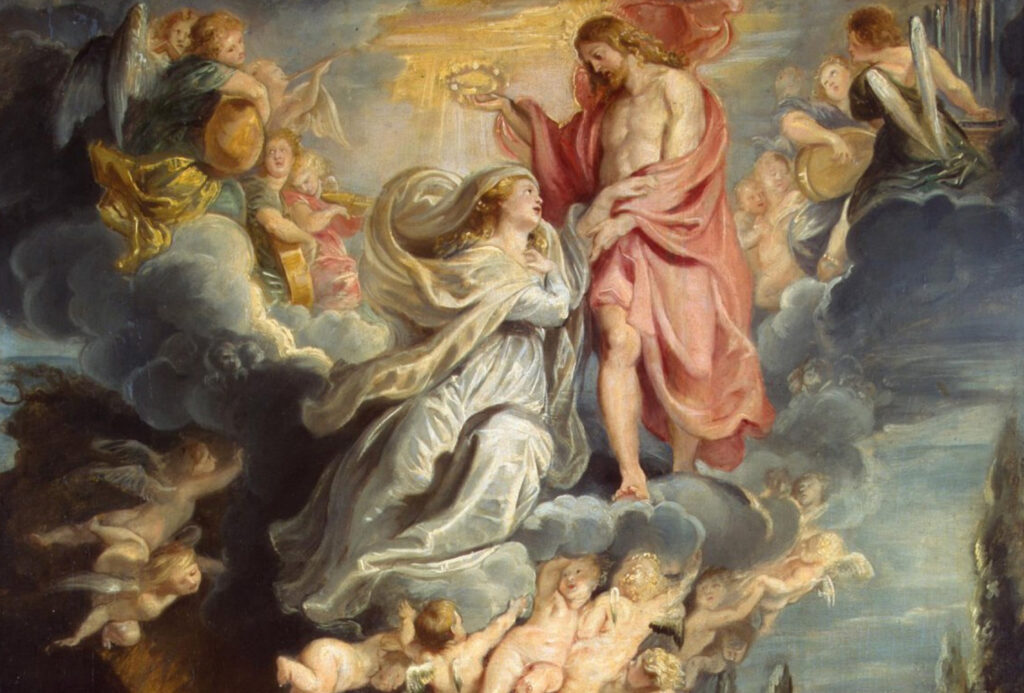
The end of Mary’s life, the Assumption, was not some grand finale, or drastic variation from what the rest of her life had been. It was simply the culmination of her faithfulness. She, like Aloysius Gonzaga, did not see the end of her earthly life as something worthy of anxiety, but rather she lived close to God day-in and day-out. The Assumption was the final drawing near — the final reunion between God and his earthly bride.
And so, the Assumption isn’t some incomprehensible mystery; it’s the promise of what awaits all of us who live our little lives faithfully. It teaches us to see God in the faces around us, doing our small tasks as Mary did. The Assumption is the hope that our lives may end not in a bang, and not in a whimper, but like Simeon in the Temple, in a sigh of joy — “Now, Master, you may let your servant go in peace.” (Luke 2:29)
Related Posts



Fresh recipe for Marian feasts: Mary’s Garden Salad
By Calista Boskus