What partner dancing can teach us about gender roles in marriage
Published on August 12, 2026
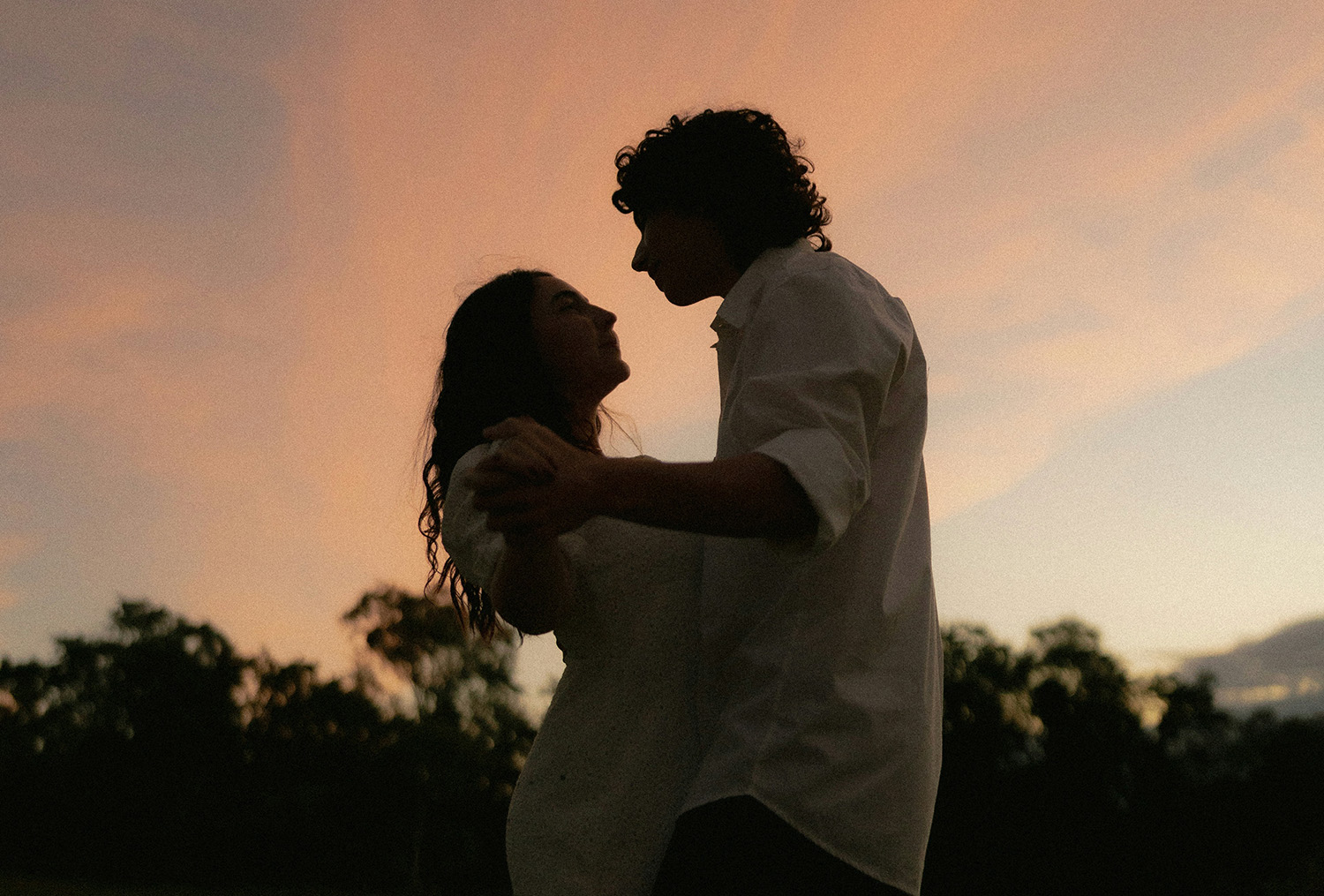
In formal styles of dancing – whether that’s waltz, swing dance, or tango – the roles are highly gendered and not interchangeable. Beginners often run into difficulties, tripping over each other’s feet, for one of two main reasons that have nothing to do with rhythm: Either the man isn’t leading, or the woman isn’t following.
In many ways, a good dance reflects a beautiful marriage. The man must lead without dominating. The woman must follow without being listless or inactive. The man and woman create something more beautiful than either of them could achieve on their own; the dancing couple is more than the sum of its parts.

Strength in the service of beauty
When a man leads a woman in a dance, his strength is channeled in a unique way. He is not using his physical power to dominate or subdue, the way he would if he were tearing down a wall at a construction site, or if he was wrestling with another man. Instead, his strength is ordered and channeled in the service of beauty.
When I was learning how to waltz in college, the teacher told the group, “Men, your job is to make the woman look good!” The man uses his power with grace and gentleness to showcase the woman’s beauty and skill.
In a marriage, a man must also order his strength through skill and practice towards a greater end, the flourishing of his entire family. He uses it to protect his family from outside dangers, both physical and spiritual, to provide for their needs, to create order and structure in the family.
When a man doesn’t lead his partner well because of hesitancy or insecurity, she is unsure of the next move, of where she should step, and the two fall out of sync. Conversely, if he is too rough and forceful, the dance nearly ceases to be a dance at all. Either way, she grows frustrated and embarrassed. In the same way, a man who refuses to lead in his marriage or who rules like a tyrant will cause chaos and resentment in his marriage and family.
Attunement and following
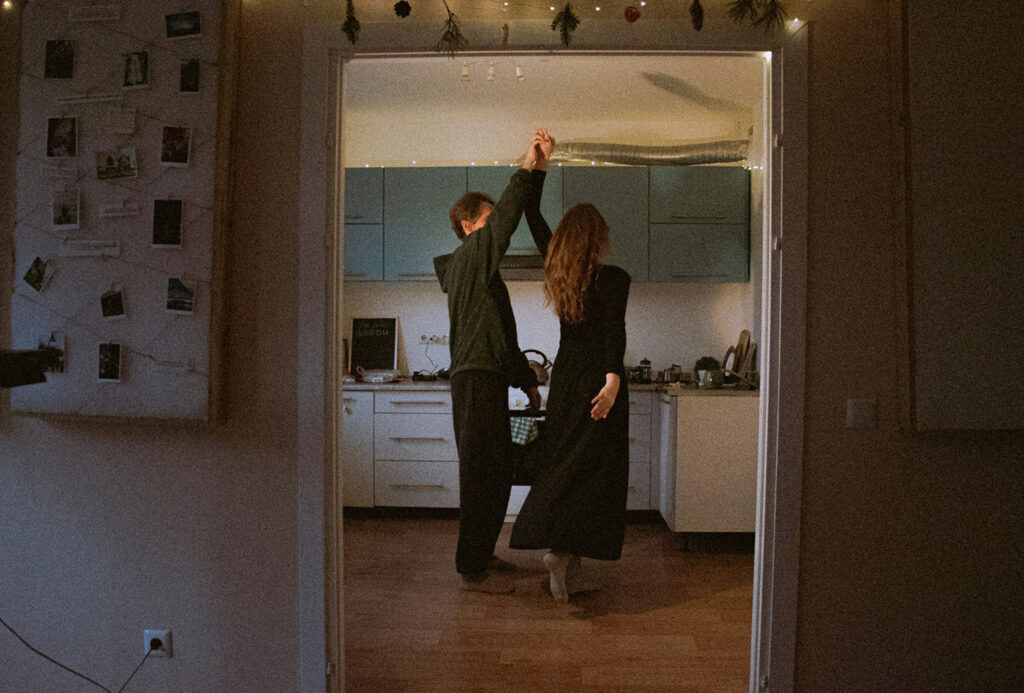
Meanwhile, in order to follow well, the woman must be attuned to the man’s body language and signals. A flick of the wrist can send her twirling, a slight shift in balance lets them promenade across the room. Even to master the basic box step in a waltz, she has to allow the man to lead her, or she will trip over his feet and the two will awkwardly stagger around the room.
At the same time, she cannot remain passive or inert. Dancing requires a great deal of energy, but it is synchronized with the partner, and engaging reluctantly or listlessly will result in an ugly dance.
Just like a good dance partner, a wife must accept her husband’s leadership and cooperate with it. Like dancing, this requires alignment and cooperation in the big picture of long-term goals, whether that’s creating a tech start-up company or a homestead. It also requires sensitivity in the daily moments that create peace. Recognizing when your husband has had a long day, not nagging him about trivial things, and waiting to bring up difficult topics until you are both calm enough to discuss them all create a stable emotional foundation for the marriage and children to flourish.
Whether in dancing or day-to-day living, this sensitivity requires energy and action, not just passivity, but it is an energy ordered towards peace and unity, not domination.
Eros and restraint
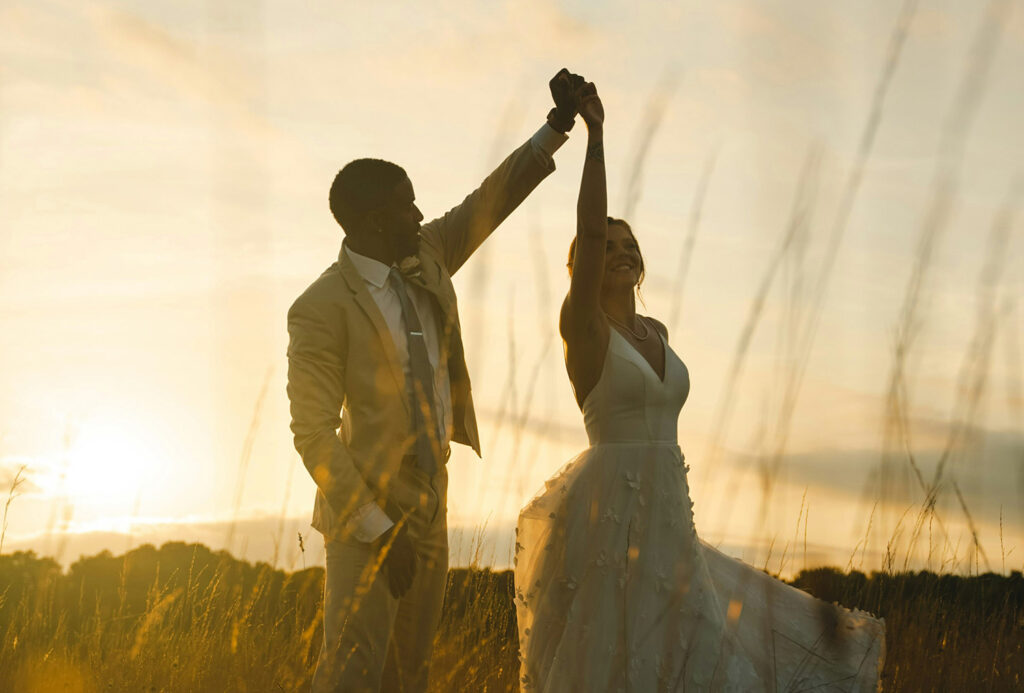
Finally, ballroom dancing shows us how erotic love must be restrained in order to be beautiful. You can stand at the corner of a dance floor and enjoy watching couples in love twirl around the room, in a way that you simply cannot enjoy watching the same couples, for instance, kiss passionately.
When a couple is dancing, that erotic tension is restrained, ordered, and transformed into something beautiful, not only for the couple but for everyone present. It is as if their love becomes a symbol of Man and Woman.
In a marriage, the eros between a couple becomes something greater than the individual persons or even the relationship itself – it turns into agape, a sacrificial love that radiates out towards all. This love provides a stable foundation for both children and the community by participating in Christ’s love for his Church.
Conclusion
When I learned how to dance in college, I learned more than an art form. I was learning how to listen, cooperate, and follow a good leader. Each time I dance with my husband, I believe that our relationship is strengthened as we learn to communicate in a nonverbal way. Perhaps a return to partner dancing could dispose and prepare young people for marriage in more ways, and provide fun memories while they’re at it!
Related Posts

No time for sourdough? 3 easy homemade bread recipes to try instead
By Jessica Nardi
5 ways to be a gracious wedding guest
By Rose Church

24 hours in Assisi
By Rosie Hall