Dangerously free: Trading the idol of certainty for the liberty of Christ
Published on April 3, 2026
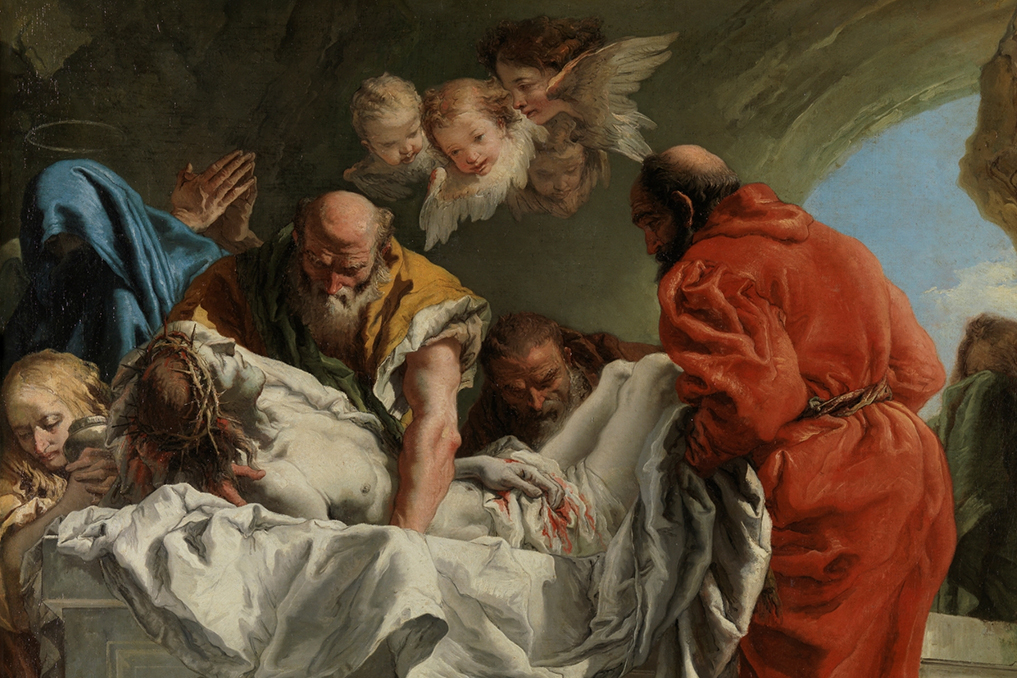
As the shadows lengthen this Good Friday and the Church enters the silence of the Passion, we look toward the Cross — yet our eyes often wander. Many of us have found ourselves tempted by the idol of maximizing survival, filtering our choices down to only those that bypass suffering and leaving no possibility for the “risk” of self-sacrifice.
The architecture of distrust in providence
For some, this manifests as a modern addiction to status symbols — the viral accessories, the over-budget car, or the high-end baby gear marketed as a “requirement” for a successful life. For others, it is a quieter, more miserly impulse: the psychological stockpiling of resources against irrational prospects of future disaster.
But in the stillness of this Holy Day, we must face a harder truth. These behaviors are not just “lifestyle choices”; they are symptoms of a profound distrust in God’s providence. This distrust extends beyond our finances and into our very souls. We don’t just fear being poor; we fear being alone. We maximize our social “survival” by curated facades, terrified that if we were truly known — or if we stopped providing a certain utility — our friends would vanish.
We buy into the falsehood that we must be our own saviors. We tell ourselves that until we are certain of our comforts and the loyalty of our circle, it isn’t “safe” to follow God or make a radical gift of ourselves to others.
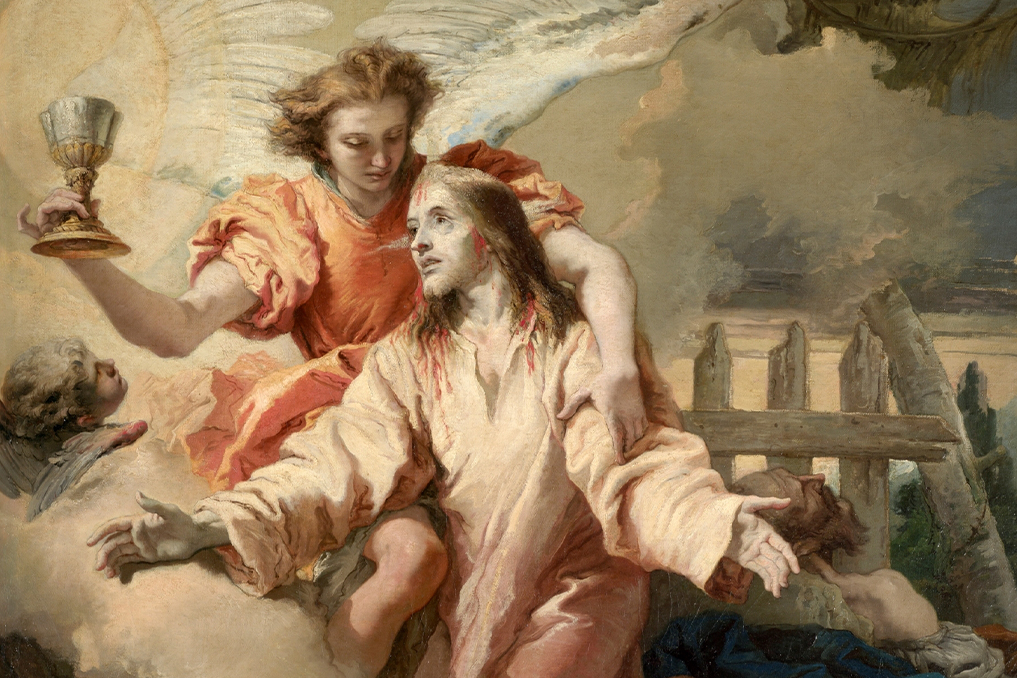
The prison of self-preservation
This internal distrust colors our entire world. When “my survival” and “my status” become the highest goods, everyone else becomes a threat. If you define your worth by what you possess — or what you fear losing — you will inevitably view those who have more with jealousy and those who have less with contempt.
The moment you realize God is your ultimate provider, that fear loses its grip. When you realize you don’t actually need the world’s version of security to be whole, you become dangerously free.
The Good Friday paradox
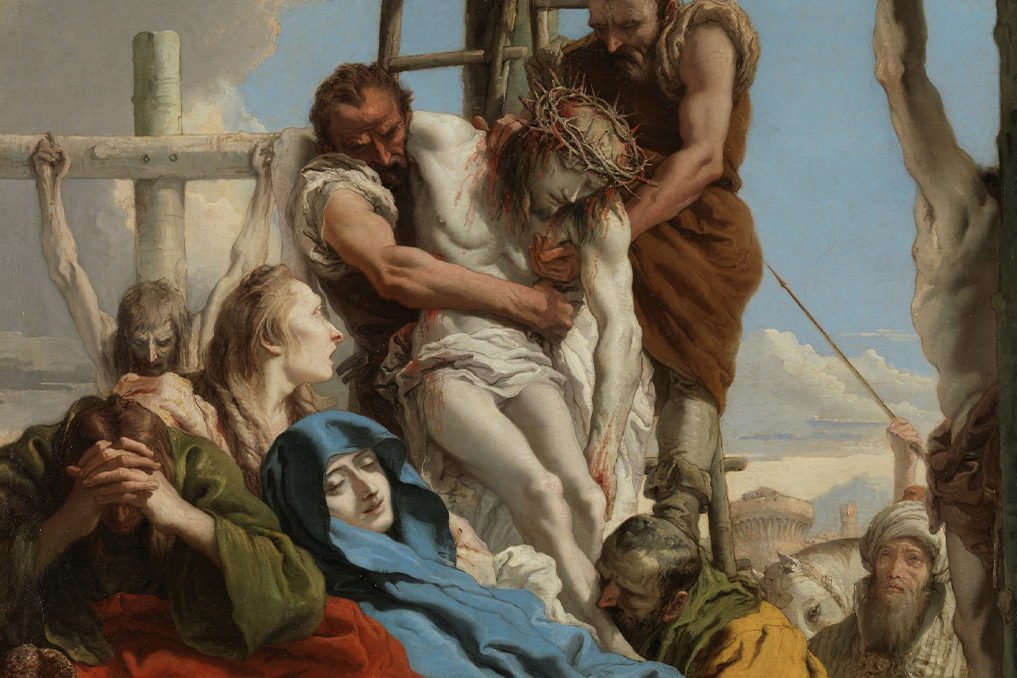
On Good Friday, we see the ultimate rebuke to “survival culture.”
Consider Christ on the Cross. He was betrayed by His closest friends, stripped of His garments, and emptied of His reputation. To the logic of the world, this was the ultimate failure of survival. Yet, Jesus didn’t check the “odds” on the way to Calvary. He wasn’t worried about His brand or His security. He showed us a victory that is not dictated by bank accounts, political climates, or social standing.
If you are avoiding the Cross because you think your sin is “too big,” or because you’ve made your past the most interesting thing about you, realize that this, too, is a survival tactic. We often obsess over our brokenness to protect the feeling that we are “special” in our trauma, rather than being “beloved” in our identity as sons and daughters.
Christ didn’t die so you could remain a professional victim of your own history. He died so you could be finished with it.
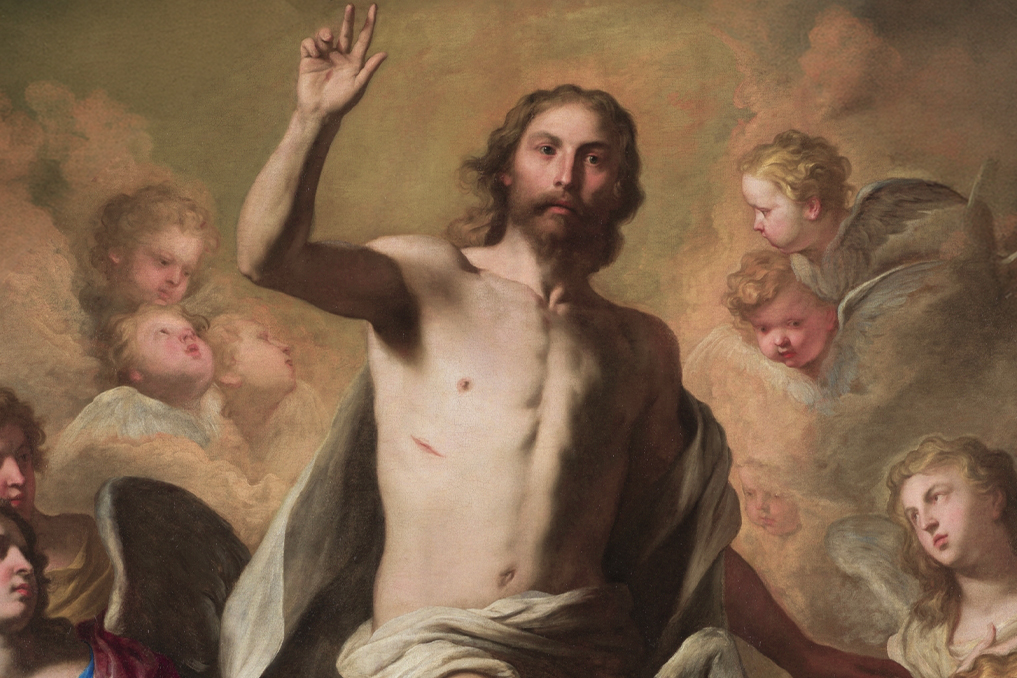
Reclaiming your liberty
If you feel “far gone” — if you’ve spent years serving the masters of addiction, greed, or a hardened heart — redemption is not a distant theory. It is an immediate invitation.
In the final act of Good Friday, Jesus broke the idolatry of survival. He proved that you don’t need perfect conditions to find your soul; you just need to stop clinging to the weights that are pulling you under.
This week, reclaim your liberty:
- The confessional: Go. If you’ve been obsessing over your sin, stop. His mercy is infinitely more interesting than your mistakes.
- Adoration and solitude: Carve out time for prayer in the dark or the quiet. Bring God the dreams you traded for “security” and ask for them back.
- The gift of self: Find a community. If you are tired of the survival game, find a small group of people who are actually trying to live.
In the end, everyone serves a master. In dying to our ego and our frantic need for control, we finally start to breathe. Each time the enemy whispers that you aren’t safe, look to the Wood of the Cross and reject the lie.
In dying, we live.
Related Posts

Miso Roasted Butternut Squash
By Calista Boskus
The non-sewers’ guide to All Saints’ Day costumes
By Grace Porto

How JP2 teaches us the concept of healthy leisure
By Ava Cilento

Accessorizing 101: How to mix and match colors and textures
By Jessica Nardi