O truly blessed night: A meditation on the Exultet
Published on March 31, 2026
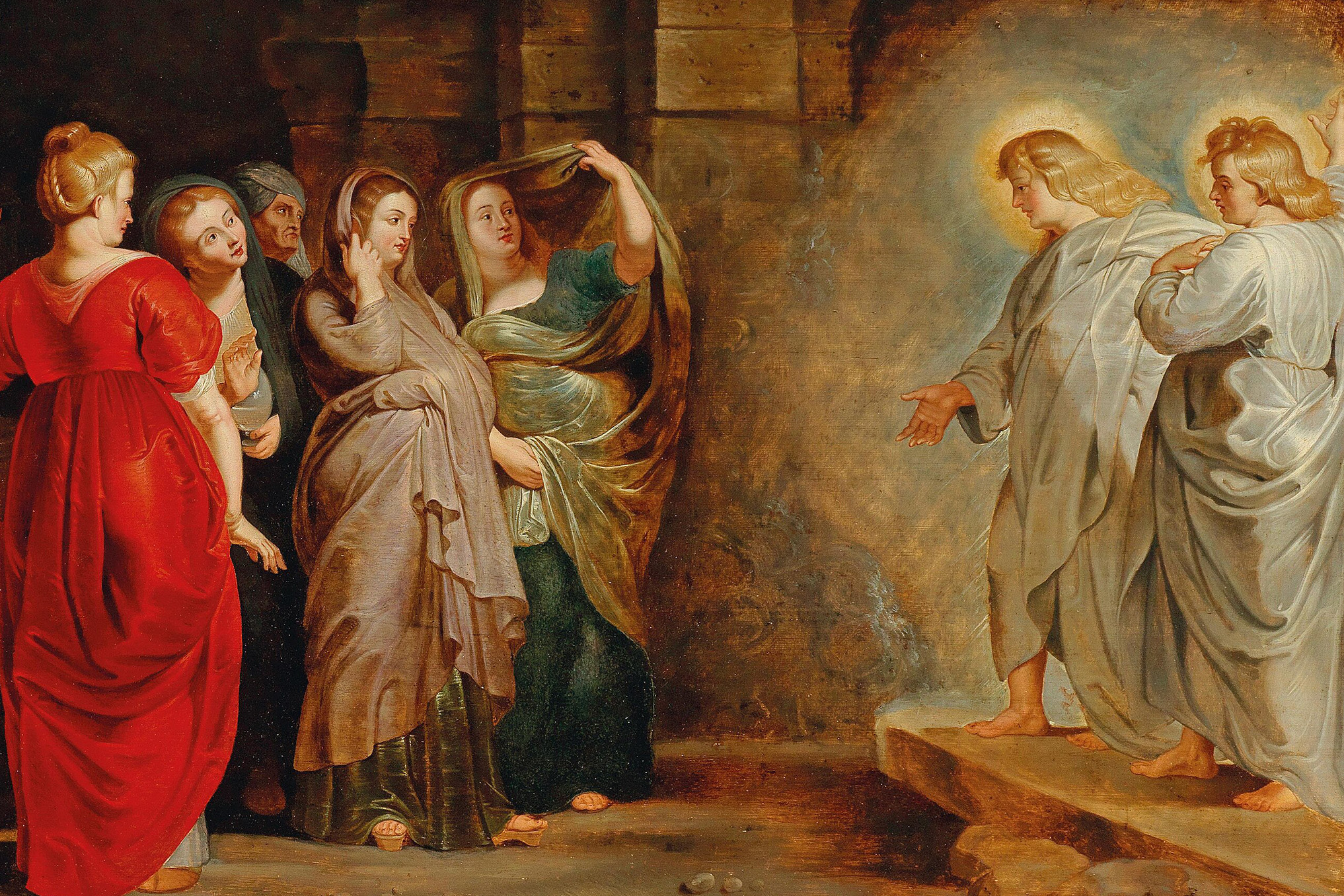
Lent is nearly over, and the Easter Vigil is upon us. The service is filled with rich symbolism, beauty, and all the ceremonies the feast merits. In this marathon of a Mass, the Church passes through the history of salvation and celebrates the resurrection of the Son of God from the dead.
At the very beginning of the Mass, during the service of light, a very ancient prayer is sung: the Exultet. This prayer, also called “the Easter Proclamation” is believed to date back to the fifth century and sets the tone for the rest of the service. Sometimes, however, it can be difficult to meditate on the words deeply during the Mass. Maybe your toddler is holding a candle. Maybe the prayer is sung in Latin. Maybe you are struggling to bring your attention to the moment.
To help you pray this prayer well, I have put together a meditation on five aspects of the Exultet, things you can listen for when the Easter Vigil comes, and pray about in the meantime.
The lightning of glory
Light features heavily throughout the prayer. This is the point in the Mass in which the Easter candle is blessed and lit from the fire. The candles of the people are being lit, and the church is glowing in the darkness. The opening verses of the Exultet are as follows:
Exult, let them exult, the hosts of heaven,
exult, let Angel ministers of God exult,
let the trumpet of salvation
sound aloud our mighty King’s triumph!
Be glad, let earth be glad, as glory floods her,
ablaze with light from her eternal King,
let all corners of the earth be glad,
knowing an end to gloom and darkness.
Rejoice, let Mother Church also rejoice,
arrayed with the lightning of his glory,
let this holy building shake with joy,
filled with the mighty voices of the peoples.
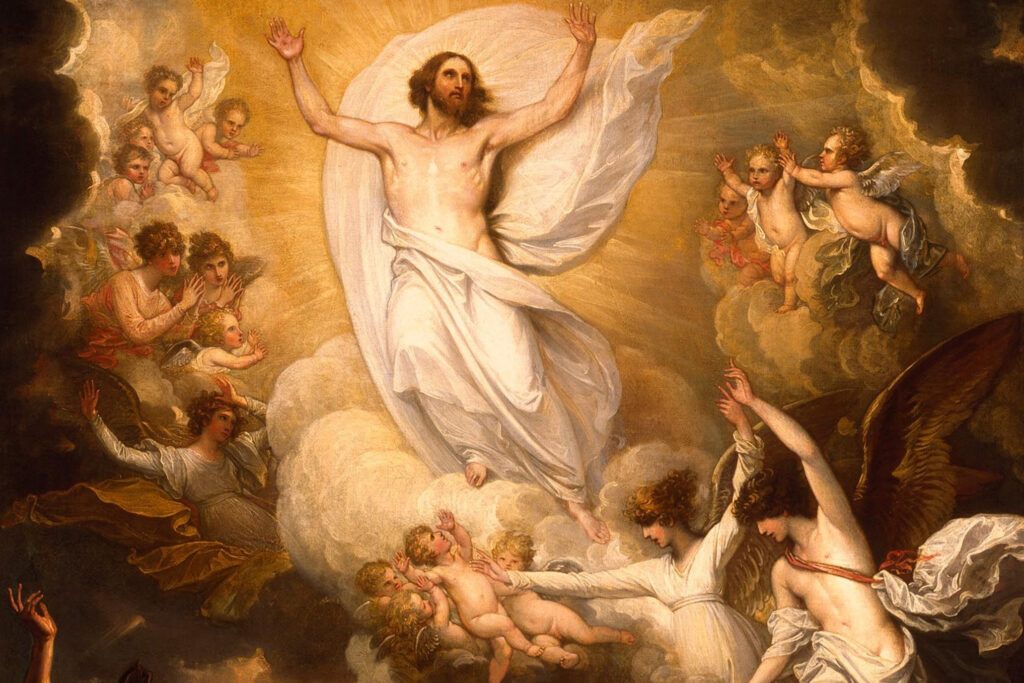
The light which the people bear is called “glory” which floods the Church and sets her “ablaze with light from her eternal King.” Christ is the light of the world, the light shining in the darkness. It is He who comes into the darkness of sin and death and brings hope, light, and yes, glory. Though the candles are gentle, the light that Christ brings is as transformative and powerful as a lightning strike. Throughout the rest of the song, light is featured again and again. Later on in the Exultet the cantor will sing:
This is the night
of which it is written:
The night shall be as bright as day,
dazzling is the night for me,
and full of gladness.
Because of Christ we need not fear the night. He is our candle, our lightning, our night-light, which leads us out of darkness into his own marvelous light. As you listen to the Exultet on the Easter Vigil, listen for all the images of light, have your children listen with you, and join the Church in praising and thanking God that the darkness has not and will never overcome Him.
This is the night
Next, the prayer takes its listeners back in time, recalling all of the events that occurred on this night. Each stanza begins with the line “this is the night” and walks the congregation through salvation history, and the many wonders the Lord has done to reconcile the world to Himself:
These, then, are the feasts of Passover,
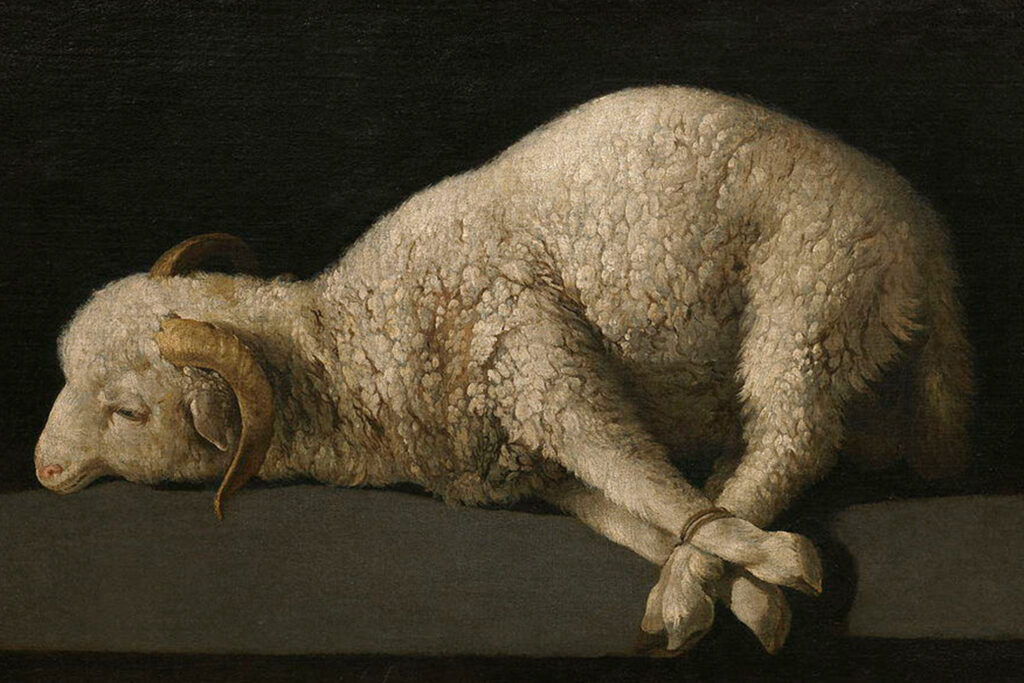
in which is slain the Lamb, the one true Lamb,
whose Blood anoints the doorposts of believers.
This is the night,
when once you led our forebears, Israel’s children,
from slavery in Egypt
and made them pass dry-shod through the Red Sea.
This is the night
that with a pillar of fire
banished the darkness of sin.
This is the night
that even now, throughout the world,
sets Christian believers apart from worldly vices
and from the gloom of sin,
leading them to grace
and joining them to his holy ones.
This is the night,
when Christ broke the prison-bars of death
and rose victorious from the underworld.
The feast of Passover with the blood on the lintels prefigures the blood of Christ on the cross. The passage through the red sea is a type of the spear’s passage through the side of Christ to save His people. The pillar of fire which led the Israelites is before you in the Easter candle, a light which still leads us all today.
This night truly sets us apart from the rest of the world. On the Easter Vigil, when most are asleep in their beds, Christians mark the end of their fasting, see the end of their preparation, and stand together with candles and hearts burning. Finally, the prayer brings us to the most important event, the one all the other events had been foreshadowing: the Resurrection. It is Christ’s victory won for all of us.
O happy fault
Perhaps the most famous part of the Exultet, this stanza follows closely after the last few above:
Our birth would have been no gain,
had we not been redeemed.
O wonder of your humble care for us!
O love, O charity beyond all telling,
to ransom a slave you gave away your Son!
O truly necessary sin of Adam,
destroyed completely by the Death of Christ!
O happy fault
that earned so great, so glorious a Redeemer!
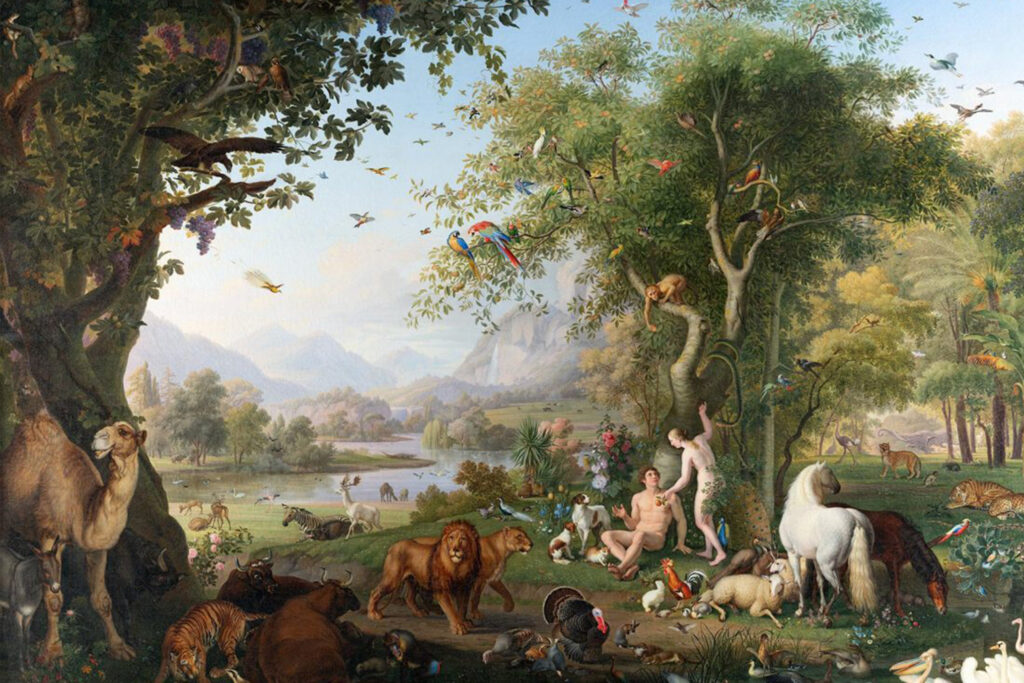
It is easy to look upon the sin of Adam and Eve as only a grievous sin and grave error, which it is. However, as this stanza reminds us, it was also the reason why Christ came and became man. Without their sin, the world would not be fallen and would have no need of a savior. And so the ancient writer calls it “truly necessary” and a felix culpa, a happy fault.
The redemption that comes for us through Christ’s death and Resurrection is what makes our lives worth living. “Our birth would have been no gain, had we not been redeemed.” Without Christ’s death and Resurrection, we would still be guilty of original sin, and would have no hope of being eternally with God. When the cantor comes to this stanza, take a moment to marvel at the love with which we are loved by an infinite God. “O charity beyond all telling!” A God who gave his son to save you and me.
The mother bees
One of the most interesting and unique aspects of the Exultet is the mention of the bees, which comes toward the end of the prayer:
But now we know the praises of this pillar,
which glowing fire ignites for God’s honor,
a fire into many flames divided,
yet never dimmed by sharing of its light,
for it is fed by melting wax,
drawn out by mother bees
to build a torch so precious.
The song concludes, as the singer states, the significance of the Easter candle whose flame the congregation now carries in their hands. The singer takes a moment to think of the bees who created the wax for the candle. It is at this moment, that I remember that not only have human beings fallen under the stain of original sin but also all of creation — even the bees. Their contribution to this night is not one to be overlooked. It is a sign of our relationship with nature put right again and calls to mind that even the smallest is not overlooked by God. At this point, take a moment to thank God for his creation, great and small, which also participates in the story of salvation, though is so often overlooked.
For ever and ever
The final stanza of the Exultet, brings us back to the present moment:
May this flame be found still burning
by the Morning Star:
the one Morning Star who never sets,
Christ your Son,
who, coming back from death’s domain,
has shed his peaceful light on humanity,
and lives and reigns for ever and ever.
Though in the Mass the sacrifice of Christ is made present to us, we are living in the aftermath of Christ’s redemption. We are a Resurrection people, who know that Christ lives, now and forever and ever. That phrase, forever and ever, features in so many of our prayers. Take a moment to reflect on what that means. The light will never go out. We need never fear the darkness. We can always hope. Why? Because Christ has conquered, He is the Morning Sun that never sets, and He will be with us. Always. Forever. As the Mass continues, hold the Exultet in your heart and truly exult; Christ has won the victory for us, and the world will never be the same.
Related Posts

The accidental apostolate of the Furys
By Johanna Duncan

14 fall date ideas that don’t involve the apple orchard
By Ava Cilento

Where to buy natural fiber clothing on a budget
By Grace Porto