How to pass down recipes: The beauty of tradition and family heirloom recipes
Published on March 7, 2026
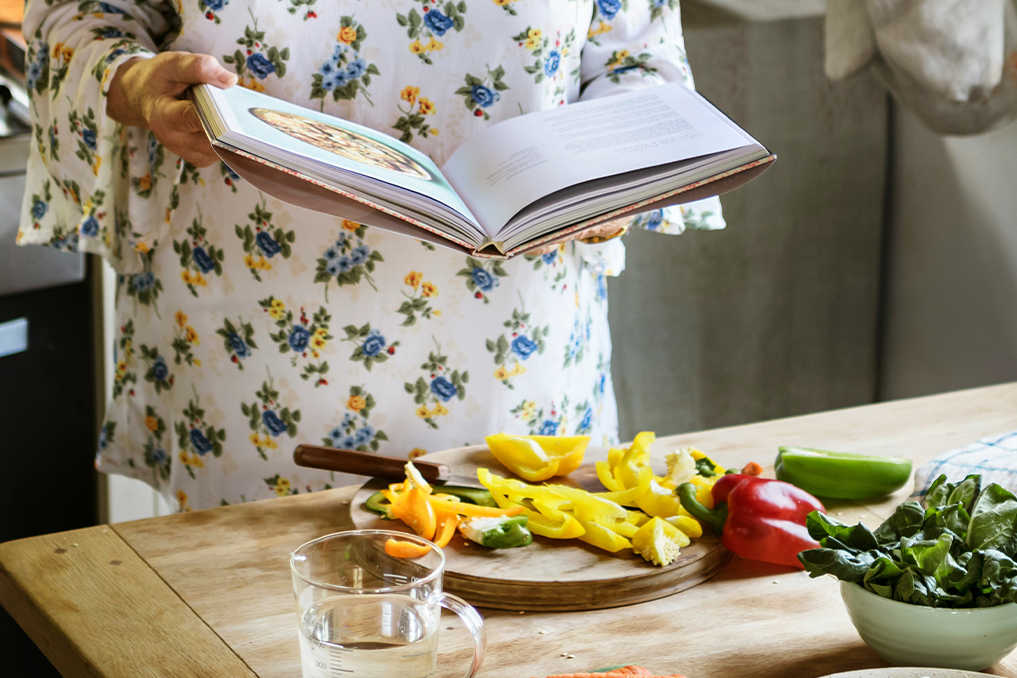
Tradition — especially family recipes — is something sacred and deeply cherished. Many times, these heirloom recipes live in our grandmother’s head or inside her old recipe box, stained by water or coffee and smudged with fading ink. Those marks aren’t flaws; they’re proof of love and proof that the recipe was used, shared, and trusted.
One of my greatest passions is preserving my family’s heritage by reviving old traditions and recipes. I was always fascinated by my nana’s culinary gift. Most of her recipes lived in memory, guided only by her senses — how the dough felt beneath her hands, the smell that told her something was ready, the taste that signaled, just a pinch more. Whenever I asked her for a recipe, she didn’t reach for a card. She invited me into her kitchen and said, “Let me show you.” She only had a handful of recipes written down.
Over the past several years, I’ve done my best to learn from my nanas, to write down their treasured practices — many of them learned from their own grandparents and parents — and to make both digital and physical copies so they won’t be lost. What started as curiosity has turned into a passion, and honestly, a thrilling obsession: preserving my family’s story through food.
Because nostalgic foods hold so many memories — not just for me, but for my whole family — and the beautiful thing is, tradition doesn’t have to end with our grandparents. We can honor what we’ve been given, and we can also write new traditions and preserve them for our children and family to come.
Engage with your family
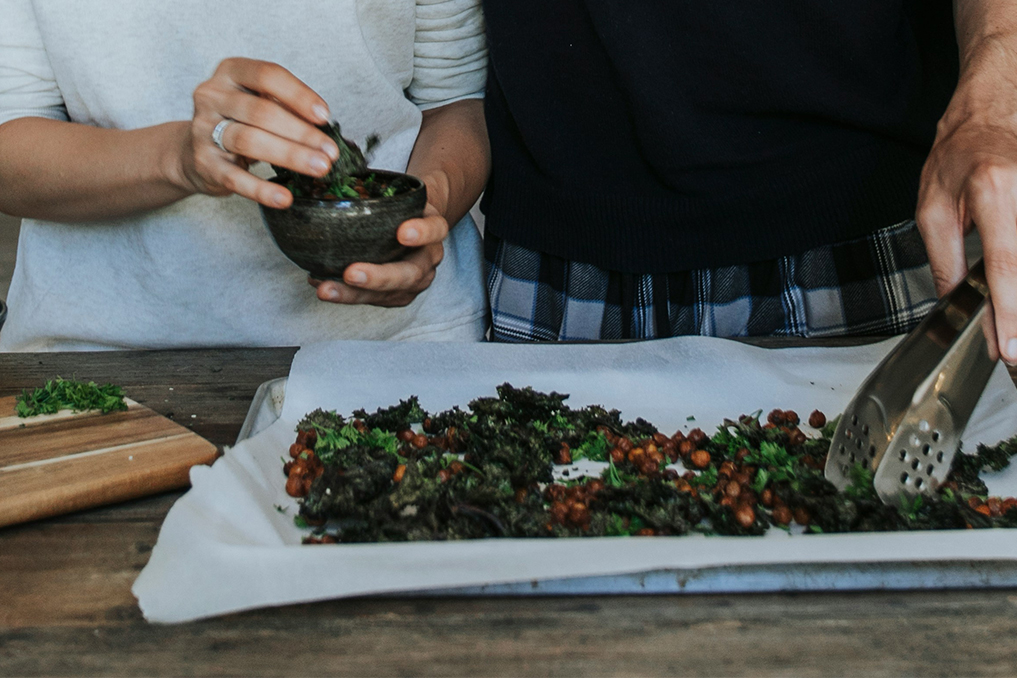
If you want to begin preserving family recipes, start with conversation. Ask your family members about the recipes and dishes they cherish. What meals do they remember most from childhood? What did their parents make on Sundays, birthdays, Christmas, or Easter? What dessert showed up at every gathering? Which dishes do they associate with comfort, celebration, or home?
Often, these conversations uncover more than ingredients and steps. They reveal stories, personality, and history — details that might never be written down unless you ask. This is a beautiful opportunity to dive into your family’s heritage and ancestry and to bridge generations in a meaningful way.
A few questions to spark stories:
- “What meal reminds you most of your childhood?”
- “What did Grandma or your mother always make when company came over?”
- “Was there a dish connected to a holiday or feast day?”
- “What did your family make when money was tight?”
- “Which recipe would you be sad to lose?”
Get in the kitchen
If your family is like mine, most of your “family recipes” are trapped in the memory of your loved ones — never inscribed on paper. The best remedy is to ask them to show you.
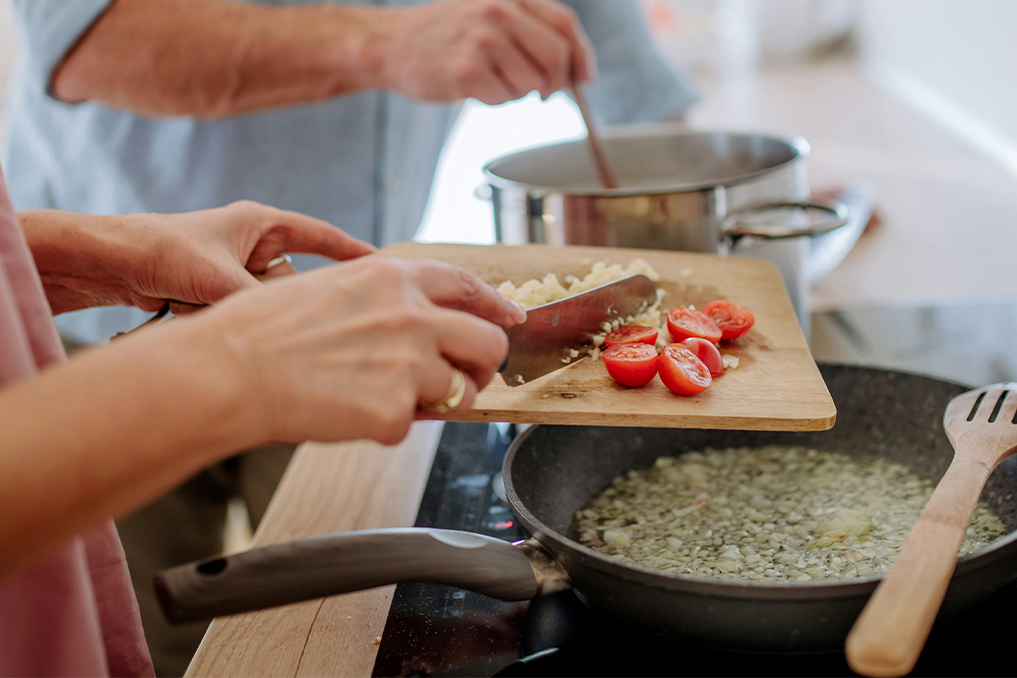
Invite your mom, grandma, aunt, or dad into the kitchen and cook alongside them. Let them narrate while they cook and resist the urge to interrupt the flow too much. Watch their hands. Notice what they do without thinking. Many treasured recipes aren’t measured — they’re felt.
And that’s what makes this so special: You’re not just collecting instructions. You’re preserving the way they cook.
While you’re cooking together:
- Take notes as you go and write down as many measurements and specific instructions as you can.
- Ask for sensory cues: “What should it look like?” “What should it smell like?” “How do you know it’s done?”
- Snap photos of key steps such as dough texture, sauce thickness, or how full a pan should be, etc.
- Record a short video of them explaining any difficult parts, or just to keep as a memory.
Even if you’ve been shown how to make a recipe, write it down afterward while the memory is fresh. The goal is to capture enough detail that you — or someone you love — can recreate it years from now.
When the recipe is missing, go searching
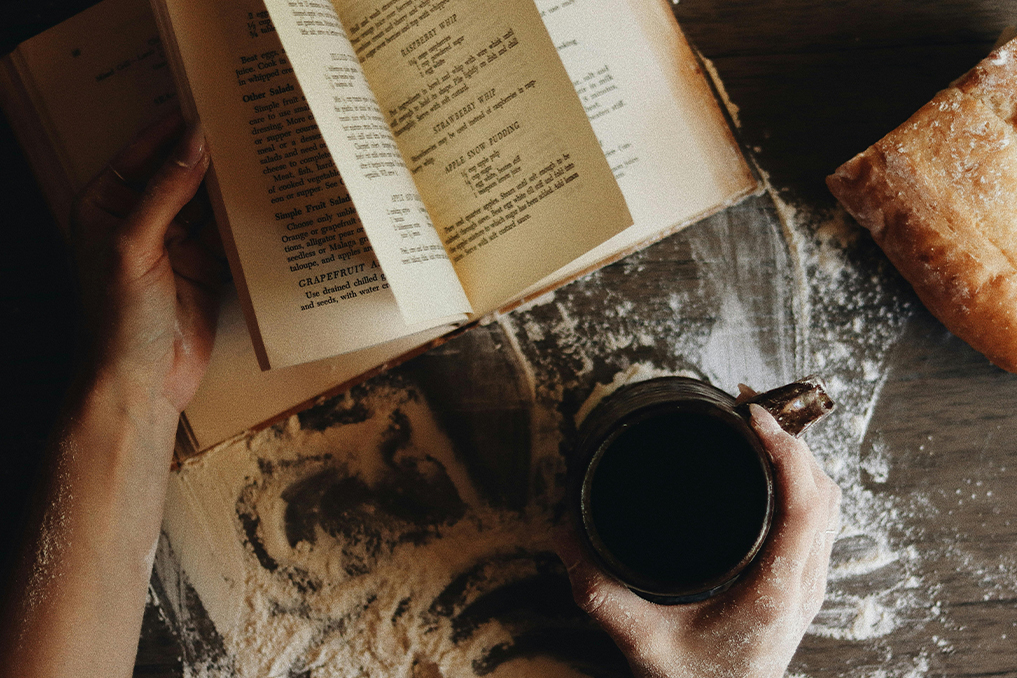
Sometimes family members can’t cook anymore, don’t remember a dish clearly, or never made it themselves, but they still remember it existed. If that happens, don’t be discouraged. Use those memories as clues.
Do a little research on the dishes your family mentions. There are countless authentic cultural recipes online, and exploring them can become part of your heritage journey. As you research, you might discover regional variations, the origins of the dish, and why your family prepared it the way they did.
This is also a fun way to experiment: Try a few versions until you find one that tastes like the memory.
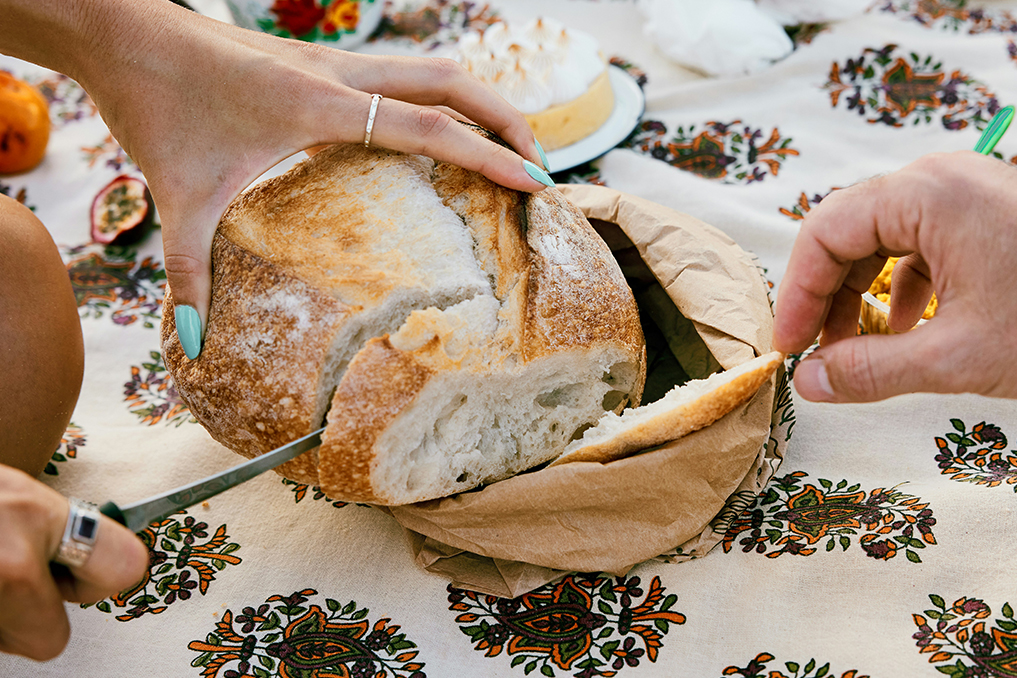
Establish your own iconic dishes
Maybe your family has dozens of heirloom recipes — or perhaps they don’t. Either way, the beauty of tradition is that it can start with you.
Passing down recipes doesn’t require a perfect lineage. It requires intention.
Write down your favorites. Preserve the meals you make on repeat. If you’re still building your collection, get in the kitchen and find recipes that become your tried-and-true heroes — dishes your family requests, associates with home, and remembers years later.
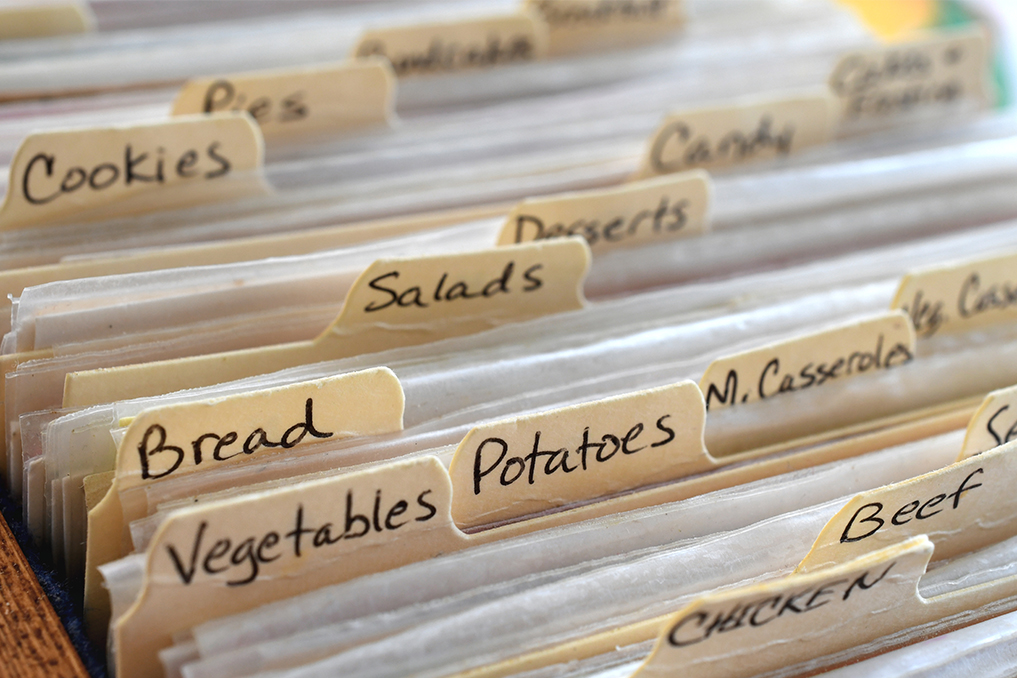
Begin your collection
Now it’s time to gather everything you’re learning into one living collection:
- Recipes from your family members
- Recipes you’ve researched based on family memories
- Recipes you’ve created or fallen in love with over time
Preserving recipes can take many forms. Whether you choose digital, physical, or both, enjoy the process.
Personally, I type up my recipes in Canva, download them, print them, and place them in clear protector sheets inside a large binder. It’s practical, beautiful, and it feels like a memory book in the making. In fact, I’ve made recipe binders for my mother and sister as well.
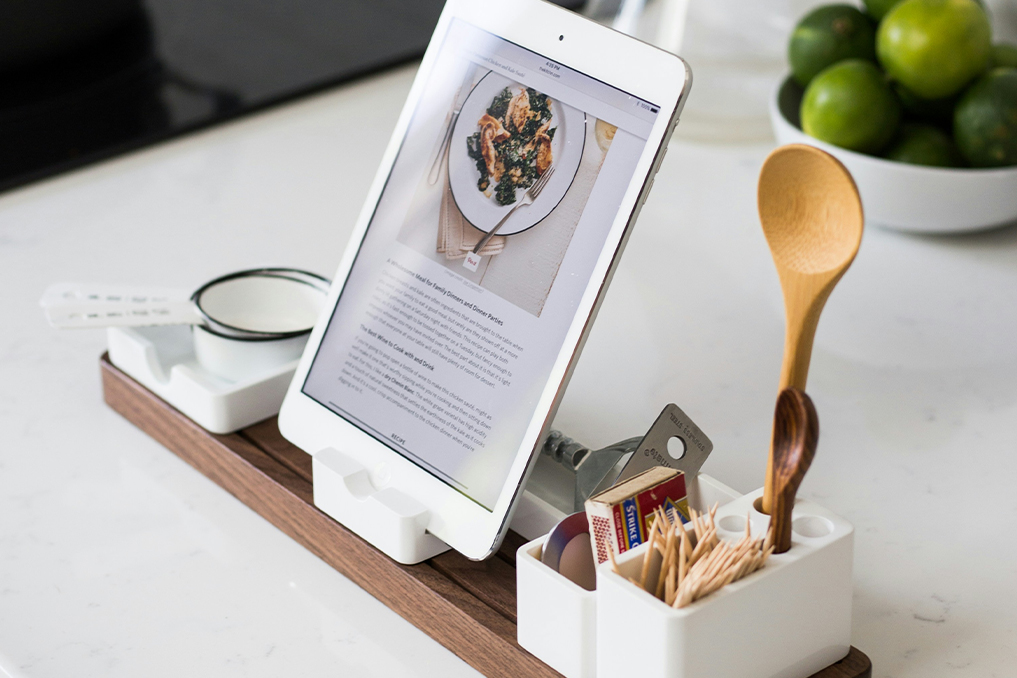
Digital options
- Apps: Samsung Food (formerly Whisk). This genius app lets you store all your recipes in one place, with options to explore new recipes, create shopping lists from your saved recipes, and make meal plans. You can download the app or use it on your desktop with the option for a Chrome browser extension as well.
- Files: Canva, Google Docs, Microsoft Word
- Bonus tip: Use a shared folder or Google Drive so siblings or cousins can contribute too.
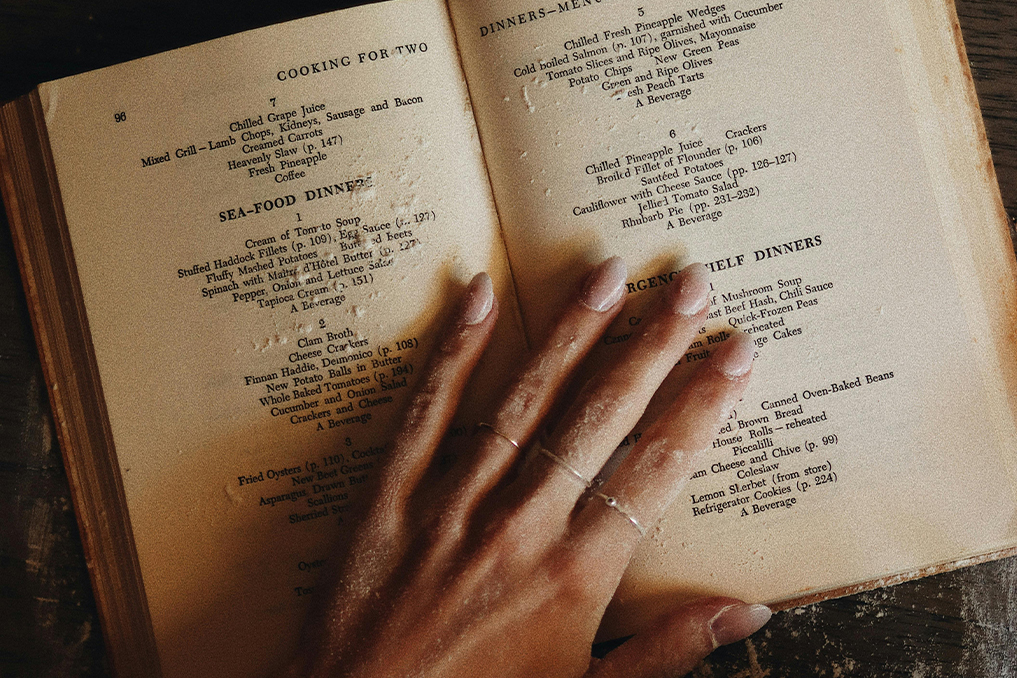
Physical options
- Recipe box (classic, simple, sentimental)
- Recipe binder (great for longer recipes and can be organized by category and protected with a sheet protector)
- Family recipe photo book (a more formal keepsake — and a perfect gift)
A photo book is especially meaningful because it preserves more than ingredients: It can include pictures of the person who made the dish, handwritten notes, family stories, and snapshots from holidays when that recipe was served. Shutterfly offers custom recipe books here.
You can also make your own meaningful recipe pages on Canva by adding family photos for a recipe binder, recipe box, or for your digital files.
Preserving family recipes involves more than just maintaining a list of ingredients and instructions; it’s about uniting family members and keeping traditions and heritage alive through the cherished practice of preparing heirloom dishes. Each time I cook or bake one of my nana’s recipes, I feel a deeper connection to her, honoring her memory, her love, and the precious moments we shared together.
So start where you are — with one conversation, one afternoon in the kitchen, one recipe scribbled on a notecard. Let your collection grow slowly, stained with use and softened by memory. As you preserve what was handed down, don’t be afraid to create new traditions, too. Because one day, someone you love will taste a familiar bite of home and feel what you’re building now: a heritage made tangible and passed on with love.
Related Posts

Irish Thunder: Blessed Fulton Sheen and the drama of truth
By William Nardi
5 ways to prep your yard for outdoor fun this fall
By Rose Church

A girl’s guide to shopping for a wearable Miraculous Medal
By Ava Cilento
I save recipes as a Word file, so they can be changed based on experience. They are put in folders. For example: Desserts with sub folders – pies, cakes, cookies. There is folder for Nana’s recipes. Every few years at Christmas I put them on a digital drive as a stocking stuffers for our children and grandchildren.