Beyond the tinsel: why the crèche is the heart of Christmas decorating
Published on December 21, 2025
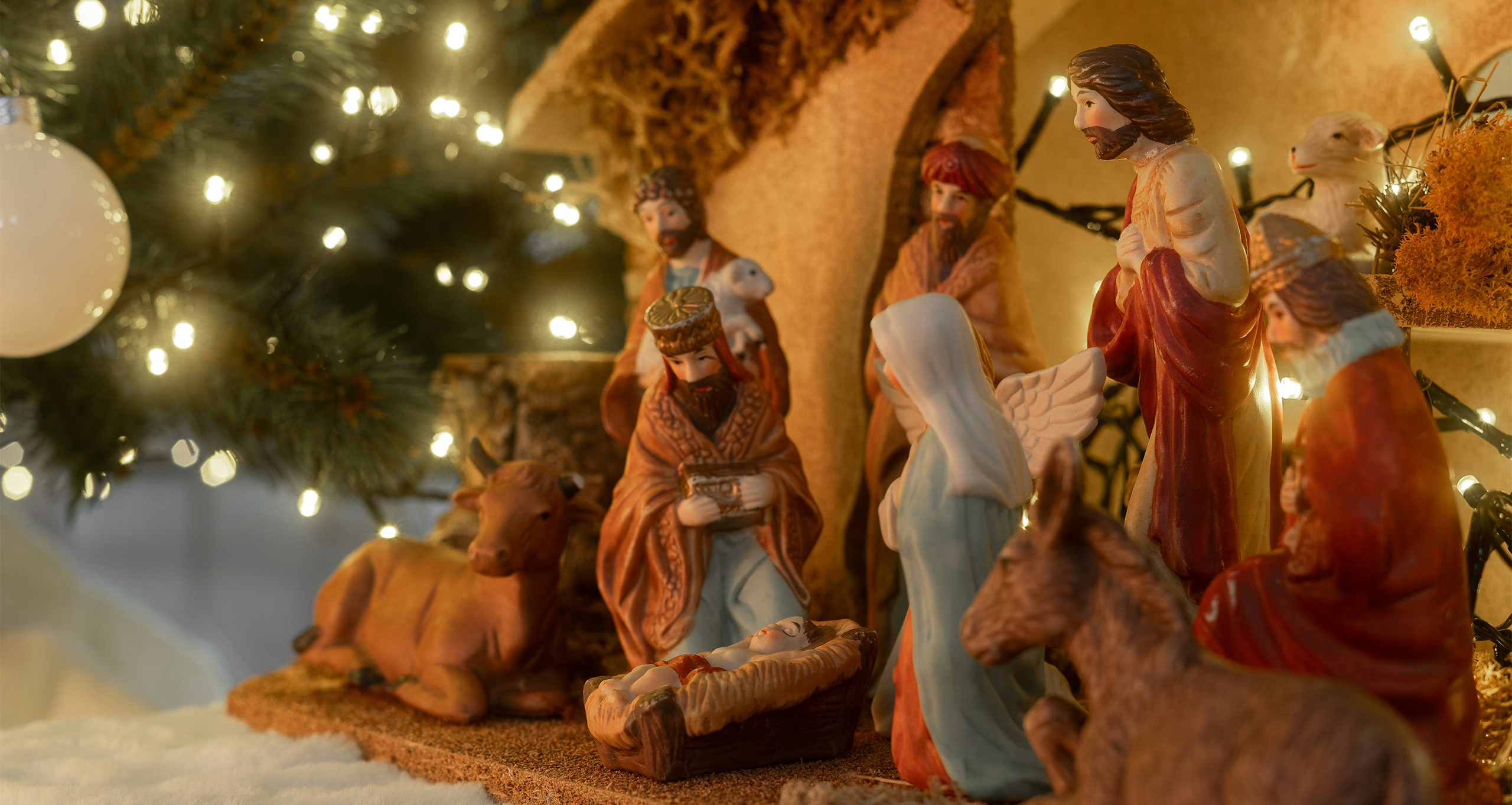
There’s a moment every December when the boxes come down from the attic and the whole house hums with anticipation. Trees are fluffed, garlands are untangled, ornaments are unwrapped like old friends. And in a world of 12-foot spruces, glittering mantles, and perfectly filtered holiday photos, it’s easy to think Christmas decorating is all about creating a scene.
But then you unwrap something quiet. Maybe it’s a wooden stable. Maybe ceramic figures wrapped in yellowing tissue paper. Maybe a single Holy Family statue. And suddenly the room feels different.
Before the tinsel, before the lights, there is the crèche. And this small, humble scene has a way of whispering the truth of Christmas before anything else even has a chance.
A tradition born in wonder
The very first Nativity scene wasn’t crafted for décor at all — it was a very real event created to spark awe.
In 1223, St. Francis of Assisi prepared a simple manger scene in the Italian village of Greccio. He filled a cave with hay, brought in live animals, and invited villagers to come and see what Christmas was truly about. For many, it was likely the first time the story of Christ’s birth felt real, tangible — something their own hands and eyes could take in.
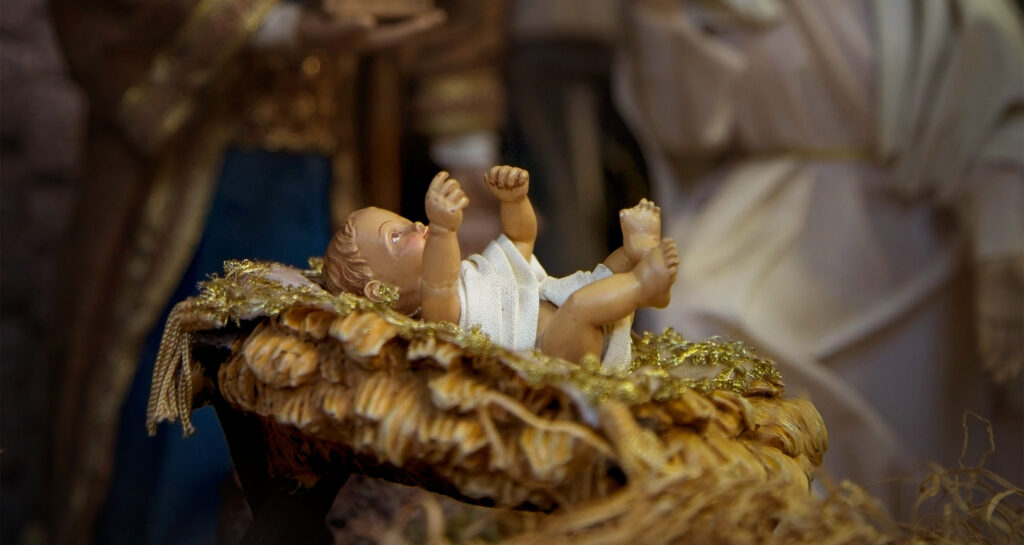
Francis wanted people to encounter the Incarnation not as an idea, but as a person. A tiny baby. A moment in time that changed all of history.
Eight centuries later, the Nativity scene continues to do exactly that — right in our own homes.
The term crèche comes from the French term for manger or crib — the humble feeding trough where Mary laid the newborn Jesus. Over time, it came to describe the entire Nativity scene, centered on that quiet, but earth-shattering moment when God enters our world.
A sacred story in miniature
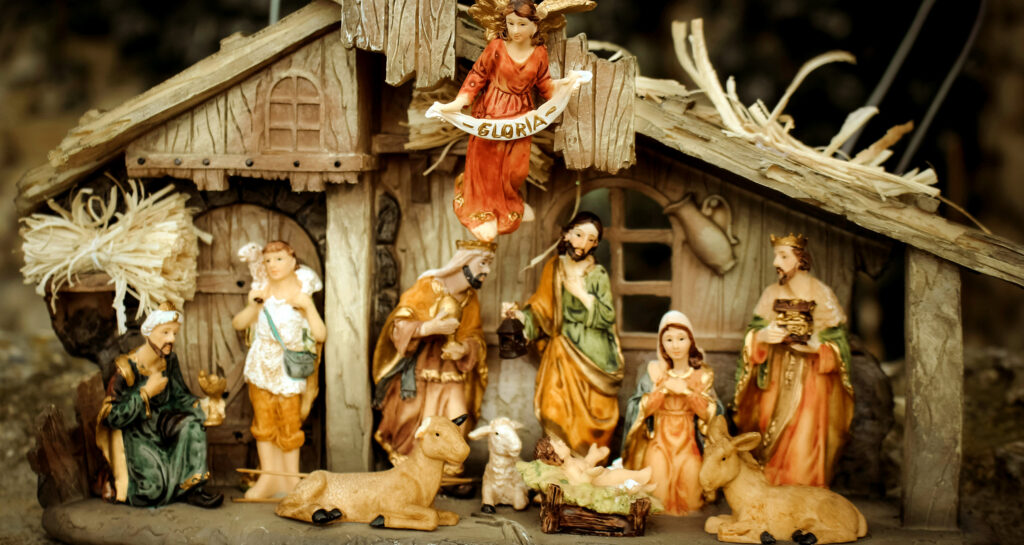
Every figure in a crèche carries meaning:
- Mary and Joseph remind us that holiness often looks like ordinary family life, lived with trust and love.
- The shepherds show that God comes first to those who feel overlooked.
- The Magi reveal that the whole world is invited to kneel at the feet of Christ.
- The animals and the manger echo creation’s recognition of its Creator.
The Nativity scene really isn’t just another decoration. It’s the anchor. The spiritual “center of gravity” of the season. When everything else around Christmas risks becoming busy, frantic, or performative, this one humble scene quietly brings the soul back to Bethlehem every time we see it in our home.
Why the crèche still matters today
In an age that rewards spectacle and perfection, the crèche is beautifully countercultural. It’s simple. Human. Disarming.
It slows the season down and invites conversation. Guests instinctively pause to look at it. Children wander toward it. Even a passing glance can become a small moment of prayer.
The Nativity scene grounds a home not just in aesthetic beauty, but in purpose. It reorders the entire holiday — reminding us that Christmas begins not with a tree or a party, but with the God who chose to become touchable.
A hands-on way to teach the story
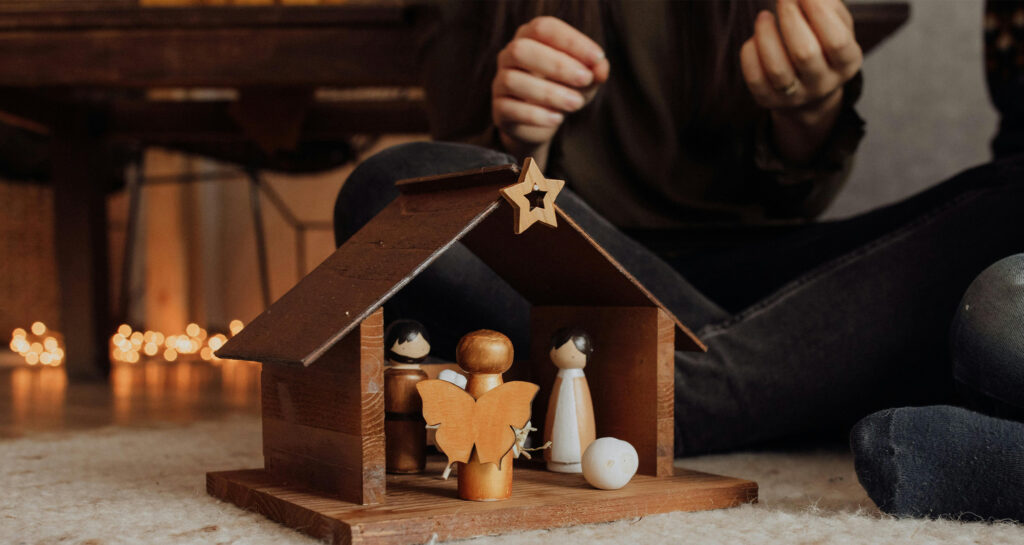
For children especially, the crèche is one of the first ways they learn the story of Christmas — not just through words, but through sight and touch.
But the truth is, adults equally need these tangible reminders. Our imaginations and our hearts are shaped by what we place in front of our eyes.
Consider making your crèche a family ritual:
- Add one figure each day during Advent.
- Let little ones help arrange the animals or sprinkle “hay” (yellow yarn works too).
- Place baby Jesus in the manger together on Christmas Eve.
- Tell the story using the figures instead of a book, or consider getting children their own play Nativity so they can engage with the Christmas story without worrying about breakage.
Making the crèche the centerpiece
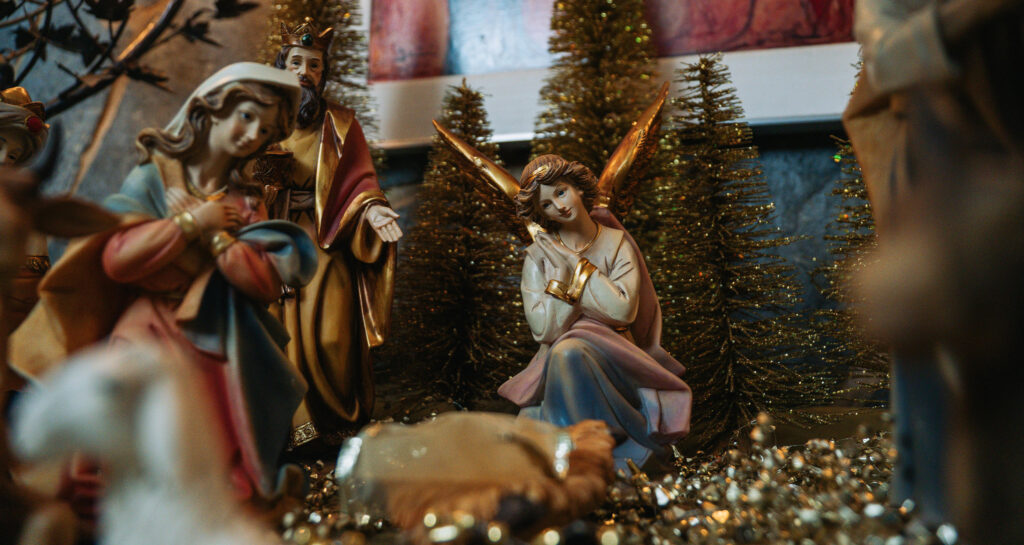
You don’t need a sprawling house or a vaulted mantle to honor this tradition, just a place that invites attention and reverence.
Some ideas for where to place your crèche:
- Entryway table: So the first thing anyone sees is the reason for the season.
- Above the Christmas tree: Place a shelf a few inches from the top or to the side of your tree. Instantly draws the eye upward and extends your evergreen’s glow.
- Under the Christmas tree: The Holy Family at the root of your celebrations.
- Fireplace mantle: Framed with soft lights or greenery.
- For small spaces: A miniature crèche on a windowsill or your kitchen table.
Lighting also makes a big difference — soft candles, warm LED tea lights, gentle fairy lights, or a simple spotlight can transform the scene into a quiet chapel of its own.
Finding a crèche that fits your home
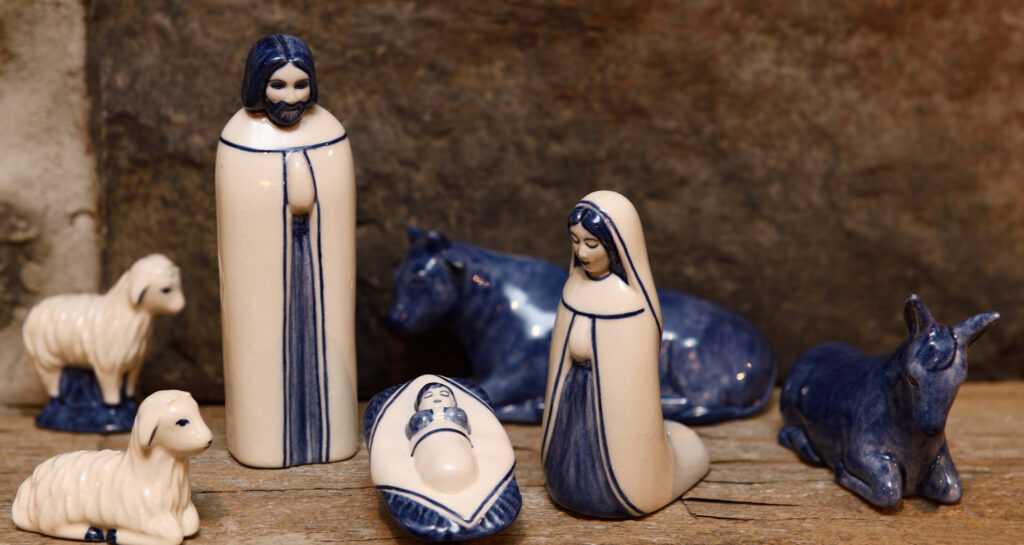
One of the gifts of the Nativity tradition is its flexibility. There is no single “right” crèche — only the one that best fits your space, your family, and the way you live Christmas. From grand outdoor displays to small, shelf-sized scenes, the options are surprisingly wide and wonderfully accessible.
Where to look
You don’t have to look far to find a meaningful Nativity set. Some of the best places include:
- Catholic and Christian gift or book stores
Local religious gift shops, shrines or church bookstores, and independent Christian retailers often carry a curated selection of Nativity sets each Advent. These range from traditional to contemporary, and often include pieces made to last for generations. - Online Catholic retailers and artisan shops
Many Catholic bookstores and gift shops sell online, offering sets in a variety of materials. Handmade and artisan-crafted crèches are also widely available online, including fair-trade and Holy Land–made sets. - Seasonal and home décor retailers
In the weeks leading up to Christmas, larger retailers often carry budget-friendly Nativity scenes in resin, wood, or ceramic. These can be an excellent starting point, especially for young families or first apartments. - Vintage shops and secondhand sales
Antique and secondhand stores sometimes hold unexpected treasures. Vintage crèches often carry a sense of history and character that can become part of your family’s Christmas story.
Styles and sizes: Choosing what works for you
Crèches come in many forms, allowing you to choose something that suits both your space and your lifestyle.
Small-space and budget-friendly
- Ideal for apartments, dorms, or homes with limited display space.
- Often includes just the Holy Family or a few key figures.
- Made from resin, molded wood, felt, or simple ceramic.
- Easy to store, durable, and accessible at a wide range of price points.
- Proof that beauty and meaning don’t require a high price tag or large space.
Medium, artisan and distinctive
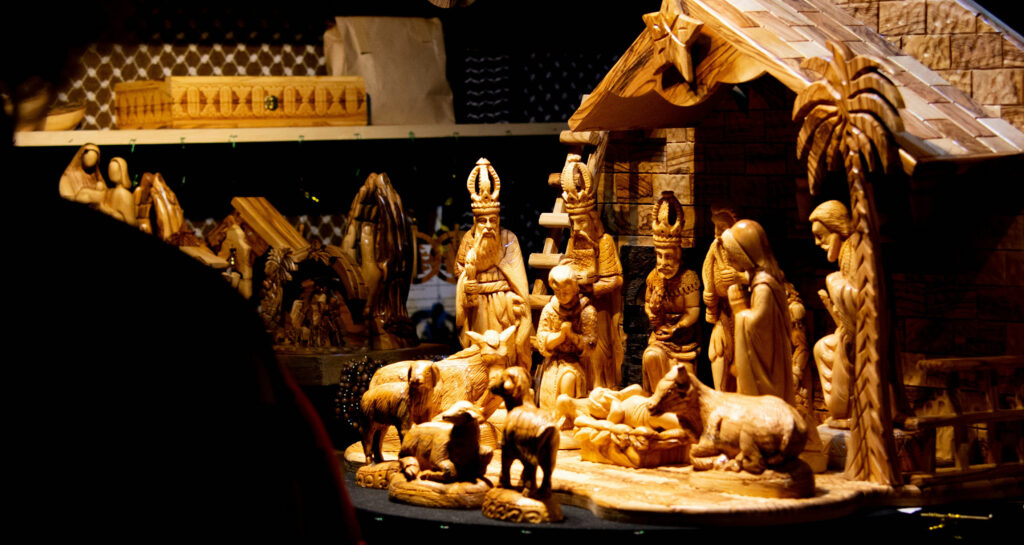
- Made from olive wood, hand-painted ceramics, metal, fabric, or carved stone.
- Often reflect cultural or regional styles from around the world.
- Well-suited for mantels, consoles, or under the Christmas tree.
- Typically includes the Holy Family, shepherds, animals, and the Magi.
- Wonderful heirloom pieces that age beautifully over time.
Large or outdoor lighted displays
- Designed for front yards, porches, or driveways.
- Can serve as a visible witness to neighbors and passersby.
- Especially meaningful in family-friendly or community-oriented spaces.
How to pick the right one
When selecting a Nativity scene, consider a few simple questions:
- Where will it be displayed?
- Who will interact with it most?
- What design elements elevate your personal devotion or contemplation of the Christmas story?
- Do you want something that will become a permanent fixture in your Christmas traditions, a temporary set until you have more space, one that is easily stored?
- What fits comfortably within your budget?
The most meaningful crèche isn’t necessarily the largest or the most elaborate, though those elements can help guide the heart to its profound beauty. It’s the one that draws your attention back to the manger and invites you to pause, reflect, and pray.
From decoration to devotion
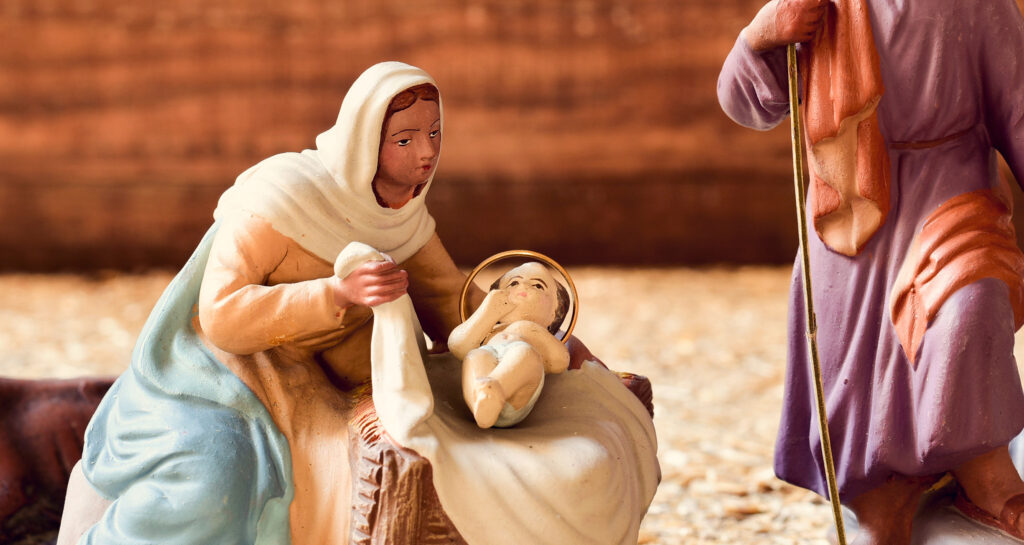
In a season filled with noise, the crèche draws us back to a night that was quiet, small, and filled with unimaginable love.
When you place the Nativity at the center of your home, you’re doing something profoundly beautiful: You’re choosing to let Christ be the center of your season. Everything else — lights, garland, even that majestic spruce — settles naturally around Him.
And that truly makes the whole house feel more like Christmas.
Related Posts

What I’ve learned from watching cooking show throwbacks
By Jessica Nardi
10 non-candy tricks and treats
By Brittany Makely

Miso Roasted Butternut Squash
By Calista Boskus
The non-sewers’ guide to All Saints’ Day costumes
By Grace Porto