40 days of Lenten art and reflection
Published on February 16, 2026
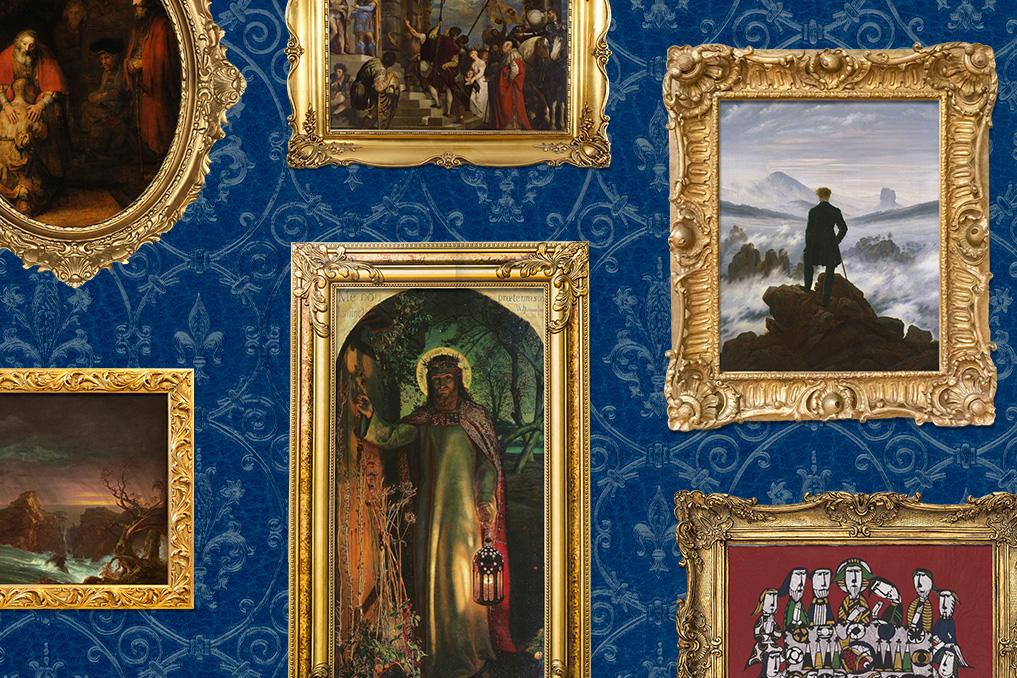
Use beautiful artwork to guide your daily Lenten reflections this year. This Lenten art calendar provides a way to turn your heart toward beauty, even if just for a moment, each day until Easter. Bookmark this page for easy reference of each week’s artwork and daily reflection questions. Then comment below to let us know you are following along!
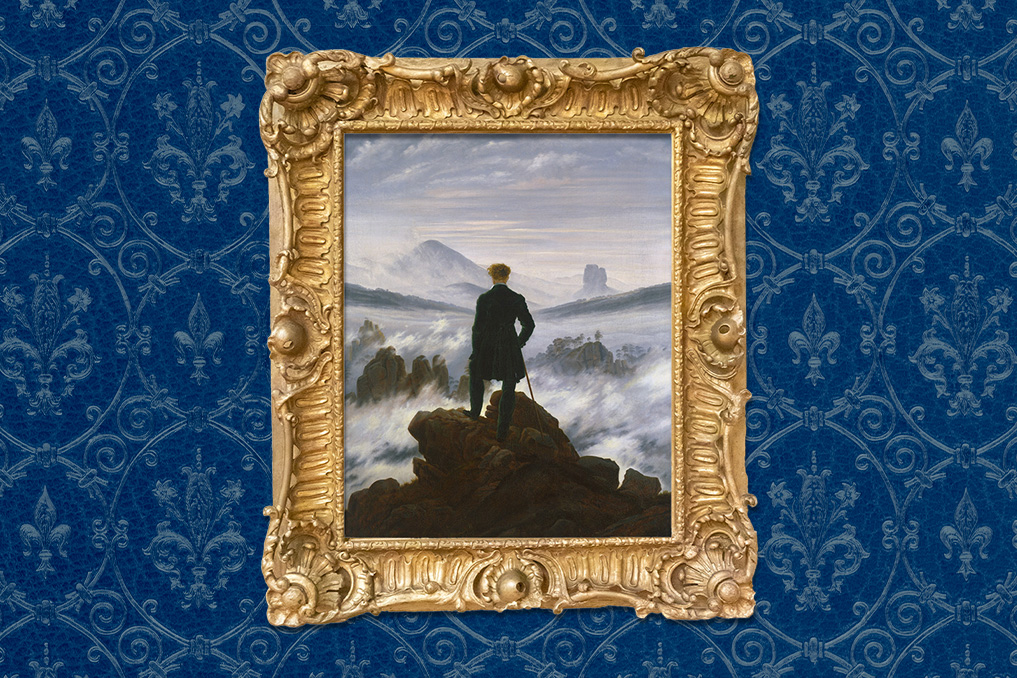
“The Wanderer above the Sea of Fog” by Caspar David Friedrich
Ash Wednesday – February 18
Today, place yourself into the painting. What do you feel? Smell? What other sensations do you notice?
February 19 – This is a popular painting that is frequently reproduced. Have you seen this painting anywhere before?
February 20 – This work is often considered an icon of the Romanticism movement – a movement that emphasized the importance of emotions, sensations, and imagination. This Lent, reflect on the virtuous mean that can only be found when we appropriately balance both our sense of reason and our emotions.
February 21 – Reflect on the Lenten phrase “Remember man, you are dust and unto dust you shall return” in light of this painting.
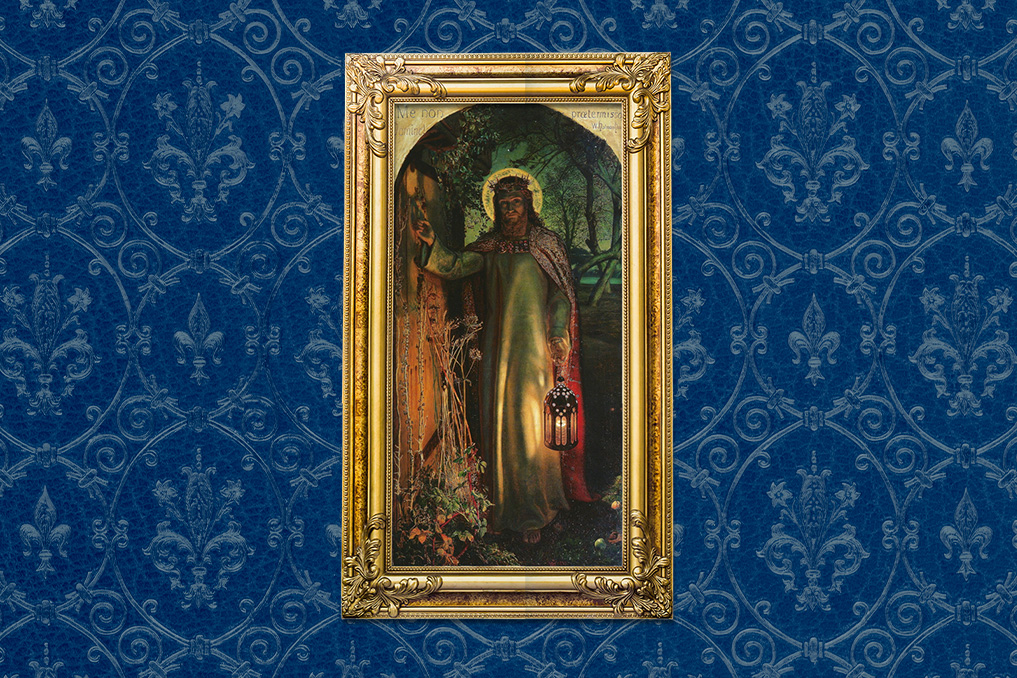
“The Light of the World” by William Holman Hunt
First Sunday of Lent – February 22 Spend today observing the details of the painting. Notice the interplay of light and darkness.
February 23 – What do you think of the door in the painting? Is there a door in your life that is overgrown and blocked off that Christ is trying to enter?
February 24 – Reflect on the face of Jesus in the painting. What is He saying to you?
February 25 – Revelation 3:20 reads, “Behold, I stand at the door and knock.” Repeat that verse in your heart as you gaze at the painting
February 26 – Look carefully at the forest floor. Do you see the fallen apples? What symbolism comes to mind?
February 27 – Look at the head of Christ in the painting. He is wearing two crowns. Notice how his clothing combines both his role as king and priest.
February 28 – Spend today imagining yourself behind the door in the painting, listening for Jesus’ knock.
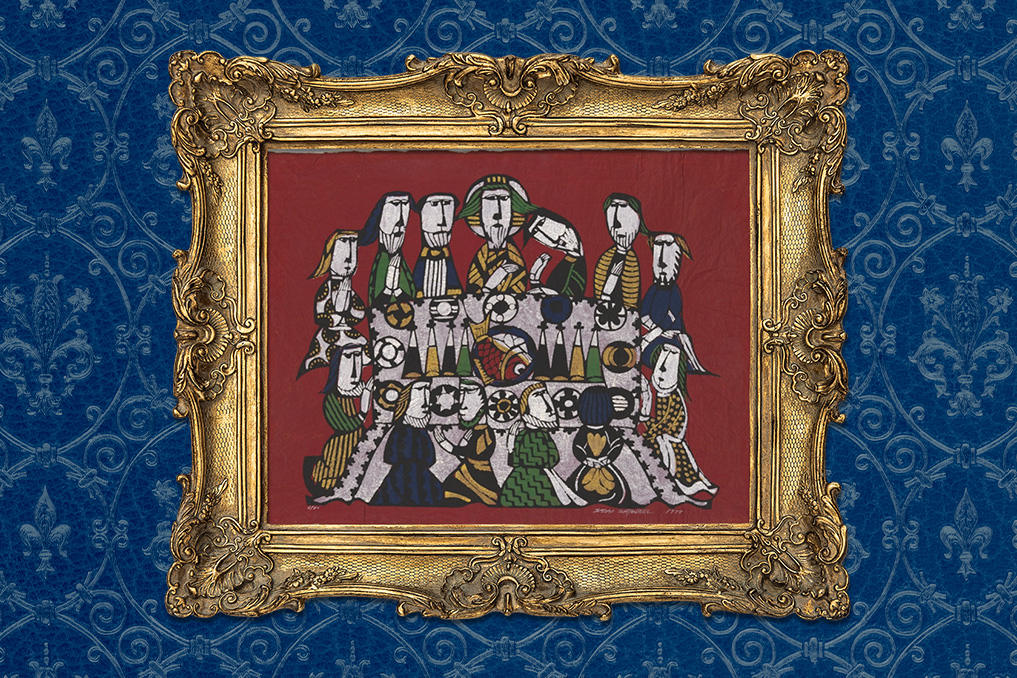
“The Last Supper” by Sadao Watanabe
March 1 Second Sunday – This depiction of the last supper is likely different than what you are accustomed to. What stands out to you?
March 2 – Look at the faces of Jesus and the disciples. What do you notice?
March 3 – What mood is set by the choice of colors in this painting?
March 4 – The artist, Sadao Watanabe, sought to communicate the Christian gospel through images and the setting of his own Japanese culture. What details in the painting show you the Japanese culture?
March 5 – Reflect on the East and the West and the way in which this painting brings them together.
March 6 – Does this fresh depiction of a familiar scene help you see the Last Supper with new eyes?
March 7 – Can you tell which figures are St John and Judas?
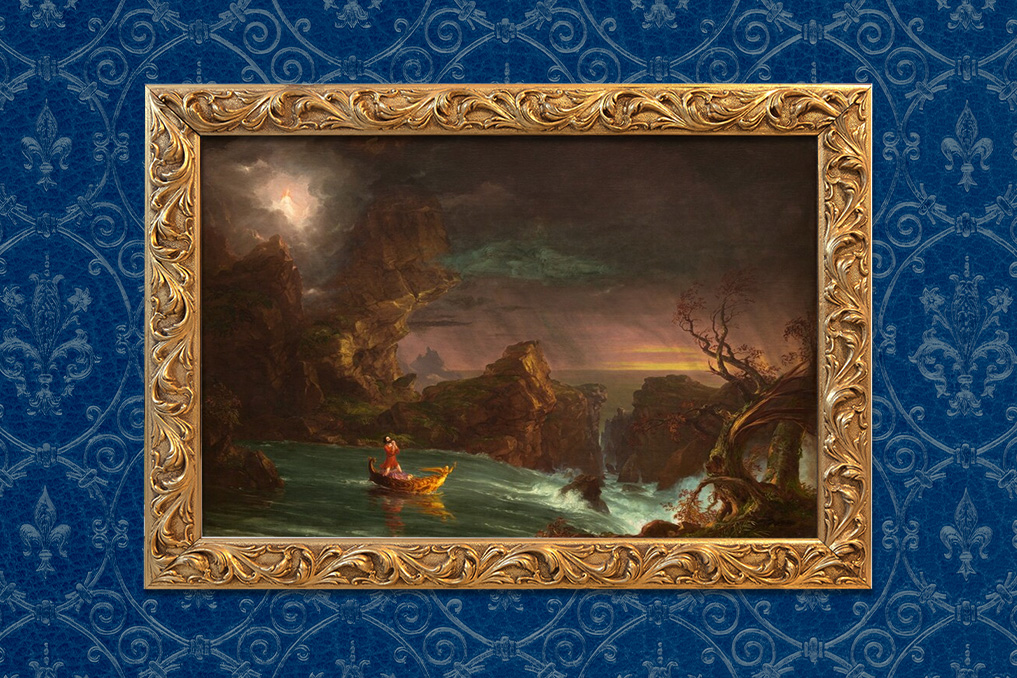
“The Voyage of Manhood” by Thomas Cole
March 8 Third Sunday – This painting is part of a four-part set beginning with childhood and ending with the figure in old age, nearing the end of his life. This painting is the third painting in the set.
March 9 – Reflect on the movement of the painting. Place yourself into the scene and experience the tumultuous weather
March 10 – Notice the figure of light in the upper left quadrant. This figure appears in all the paintings with the man. Who do you think she is?
March 11 – Look closely at the man in the boat. What do you think he is praying?
March 12 – Have you ever felt like your life was like this man’s experience? When?
March 13 – Even though the rapids take up a small percentage of the painting visually, they dominates the scene. Is there anything in your life you are fear that is dominating your own vision?
March 14 – Focus on the bright yellow patch of sky in the distance of the painting. Do you think the sun is rising or setting?
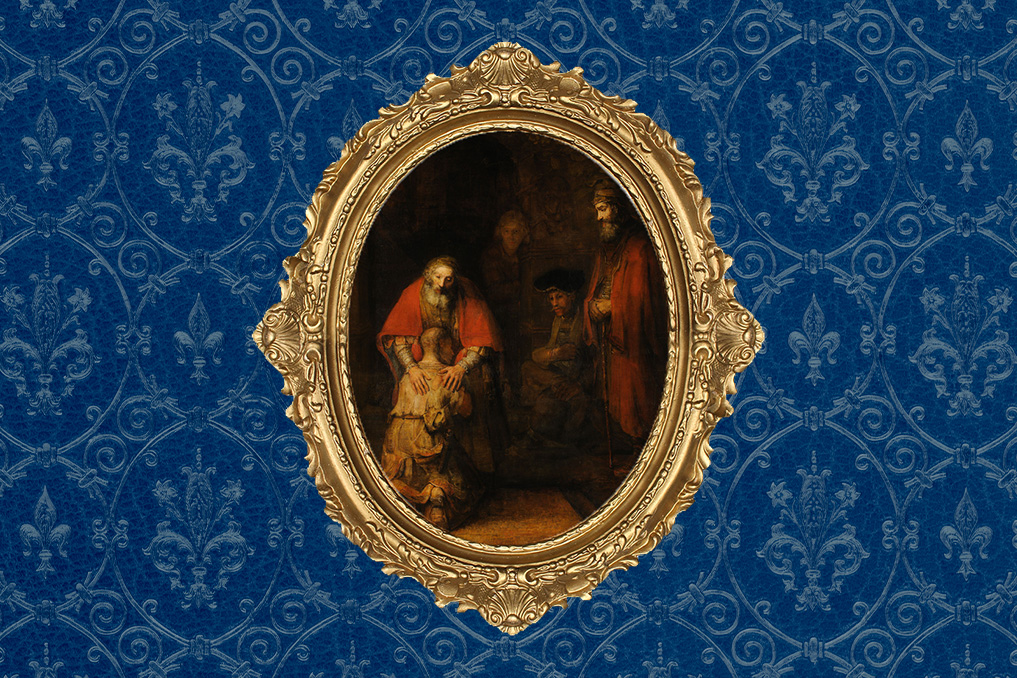
“The Return of the Prodigal Son” by Rembrandt
March 15 Fourth Sunday – This painting depicts a well known Bible story. Recall the story to as you reflect on the painting.
March 16 – Look at the figure of the father. Look closely at his body language and facial expression.
March 17 – There are three onlookers in the background of this work. Who do you think they are? How are they reacting to the reunion of father and son?
March 18 – Notice the details of the son as he kneels before his father. Notice his feet, one is bare while the other has a crumbling shoe.
March 19 – Where is the light source in this painting? Notice how the light illuminates the main figures of the painting from the perspective of the viewer.
March 20 – With which figure in the painting do you most resonate?
March 21 – Where is the older brother in this scene?
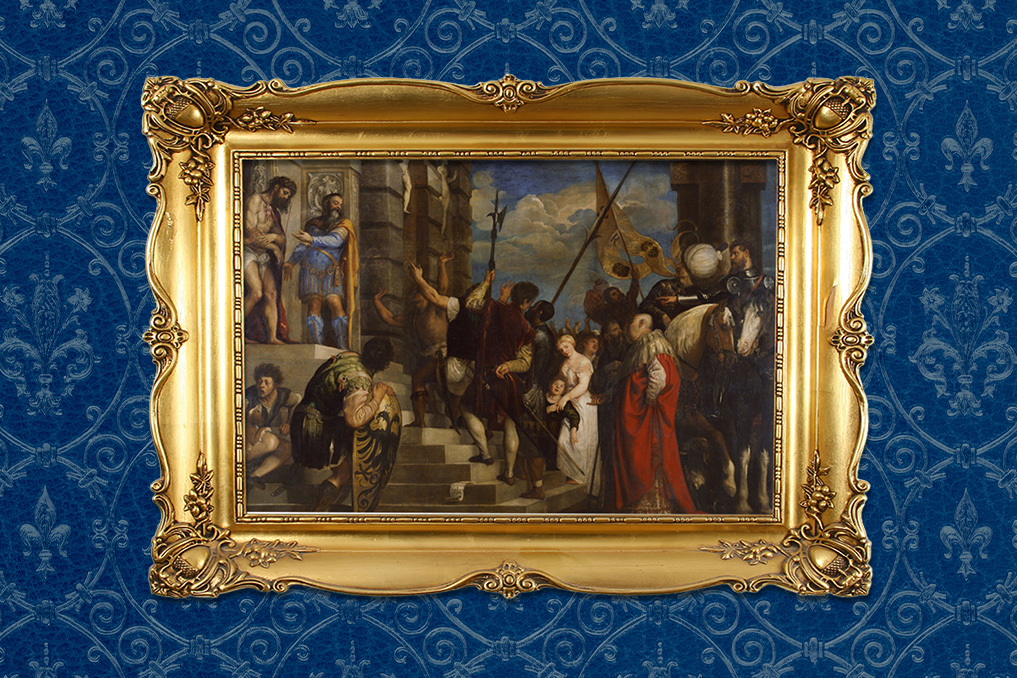
“Ecce Homo” by Titian
March 22 Fifth Sunday – Reflect on the painting as a whole. What section of the painting are you most drawn to.
March 23 – The painting’s composition is divided roughly in half. On the left side, harsh stone and browns dominate the scene, while the left is more colorful and filled with drama. Consider the painting from both perspectives, placing yourself first on one side and then on the other.
March 24 – Look at the hands of the various figures. Follow the direction of their gestures and allow your eye to move around the painting.
March 25 – Today, look closely at the figure of Jesus.
March 26 – Look at the patch of blue sky in this painting. Do you find it jarring that such a weighty scene is happening on a sunny day?
March 27 – Notice the steps. Observe the crown moving upwards as they push forward. Notice also the opposite, Jesus is being pulled down and forward.
March 28 – As you observe this painting, you can hear the crowds shouting, “Crucify him, crucify him!” What else do you hear?
Related Posts

My petition to bring back Sunday suppers
By Calista Boskus
Good Friday: What to eat and what to do
By Lindsey Fedyk
O truly blessed night: A meditation on the Exultet
By Rosie Hall
Let’s hope the fog lifts the further into Lent we get.
I’ll be following along!
Thanks so much.
This is a beautiful idea, thank you:)
I smell the salt air.I see the magnificence of the waves. I feel the peacefulness of it all.
I agree.
This is a great idea. Thank you for providing this opportunity for Visio Divina. It would be nice if we could enlarge the images to see them more clearly. Thanks again
I see now that when you click on the link, you can enlarge the image.
You can enlarge them. Just click on the image or on the title of the image .
A favorite piece of art. Wish we had a piece of art for each day!
Interested and will try to add this to my Lenten journey. Thank you
What a great idea! I’ll be trying to follow along also.
The picture brings up emotions of a long journey. Just as Ash Wednesday is a long journey to the cross and redemption.
Thanks for this additional way of praying during Lent 2026. I love “visio divina”
The scene, for me, is depicting the unknown… I see myself, smelling the mist and energized to face a new journey that will hopefully result in my being closer to Christ, understanding more about the faith, and becoming a stronger daughter for Him. I know the valley below isnt all smooth and green.. but hopefully the excitement of making it through maintains my trust in Him, and a calm spirit within me.
Love seeing these pieces of sacred art
What is the painting for the 19th? February 19 – This is a popular painting that is frequently reproduced. Have you seen this painting anywhere before? Can I find it on your site. Which painting is it?
Each image in the article provides one week of reflections; a different reflection each day of that week on that same piece of art. Blessings!
How do we get the art to appear?
Virtuous mean is a great concept!